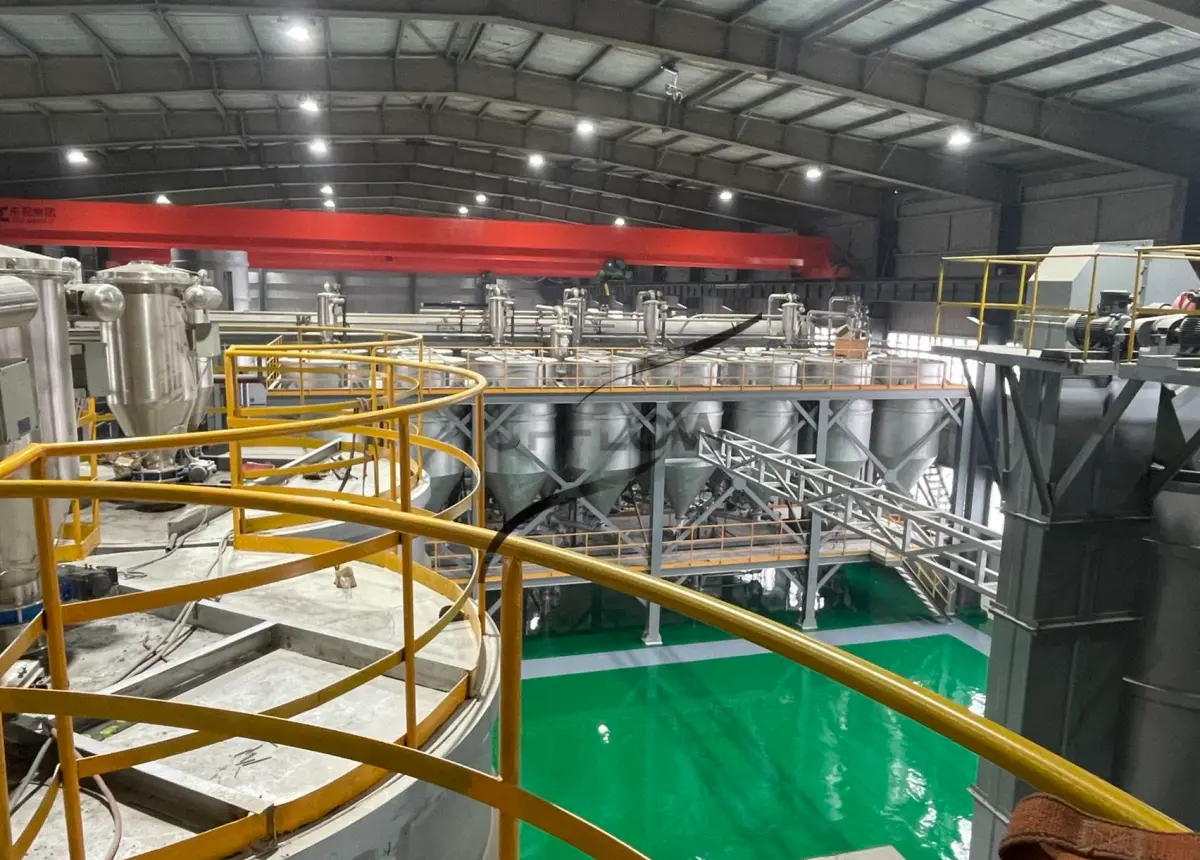
Choosing the right pneumatic conveying system is not simply a matter of selecting equipment, but a critical long-term investment that directly affects production efficiency, operational stability, and overall cost control in modern industrial plants. Different types of material conveying systems vary significantly in design principles, application scenarios, and lifecycle costs, and if the system is not properly selected or engineered, it can lead to common problems such as pipeline blockage, excessive energy consumption, material degradation, and frequent downtime, all of which negatively impact productivity and profitability. On the other hand, a well-designed system can ensure smooth material flow, reduce labor dependency, and support continuous, stable production over many years.
In practical applications, different materials require different conveying solutions, which is why understanding material characteristics is the first step in selecting a suitable pneumatic conveying system. For example, fine powders are typically handled using a powder conveying system designed to control airflow and prevent dust leakage, while plastic pellets, grains, or similar bulk solids are better suited to a granular conveying system that can tolerate higher conveying velocities. In industries with strict hygiene or environmental requirements, such as food processing or pharmaceuticals, companies often prefer a vacuum conveying system or negative pressure conveying system, as these systems operate under sealed conditions and effectively prevent contamination and dust emission, making them ideal for clean and safe production environments.
From a system configuration perspective, the choice between different pressure types also plays a key role in performance and cost optimization. A low pressure conveying system is typically suitable for short-distance transport and simpler layouts, offering lower initial investment and easier operation, while a high pressure conveying system is more appropriate for long-distance conveying or high-capacity applications, where stronger airflow and more robust system design are required. In addition, as industrial automation continues to advance, many factories are adopting a central conveying system, which allows materials to be distributed from a central storage point to multiple production lines, significantly improving efficiency, reducing manual handling, and enabling a higher level of automation across the entire production process.
Another important trend in modern industry is the increasing demand for environmentally friendly and safe production systems, which has made the enclosed conveying system a preferred choice in many sectors. By using a fully sealed pipeline design, this type of pneumatic conveying system minimizes dust leakage, reduces material loss, and improves workplace safety, which is particularly important in industries such as chemicals, food, and pharmaceuticals where strict environmental and safety standards must be met. As a result, companies are no longer evaluating conveying systems based solely on capacity, but are also considering factors such as system sealing, cleanliness, and compliance with industry regulations.
During the system design stage, experienced engineers typically evaluate multiple factors, including material properties, conveying distance, throughput requirements, and plant layout, in order to determine the most suitable configuration of the material conveying system. By optimizing pipeline routing, controlling air velocity, and selecting appropriate feeding equipment, it is possible to significantly improve system efficiency while avoiding common issues such as blockage or excessive wear. These engineering optimizations are essential for ensuring long-term stability and performance, and they often make a greater difference than the choice of equipment itself.
Here is a simple comparison:
| Type | Best For | Limitation |
| Vacuum | Clean, dust-free | Short distance |
| Positive | Long distance | More energy |
| Dense phase | Fragile material | Higher cost |
| Dilute phase | Simple transport | Material damage risk |
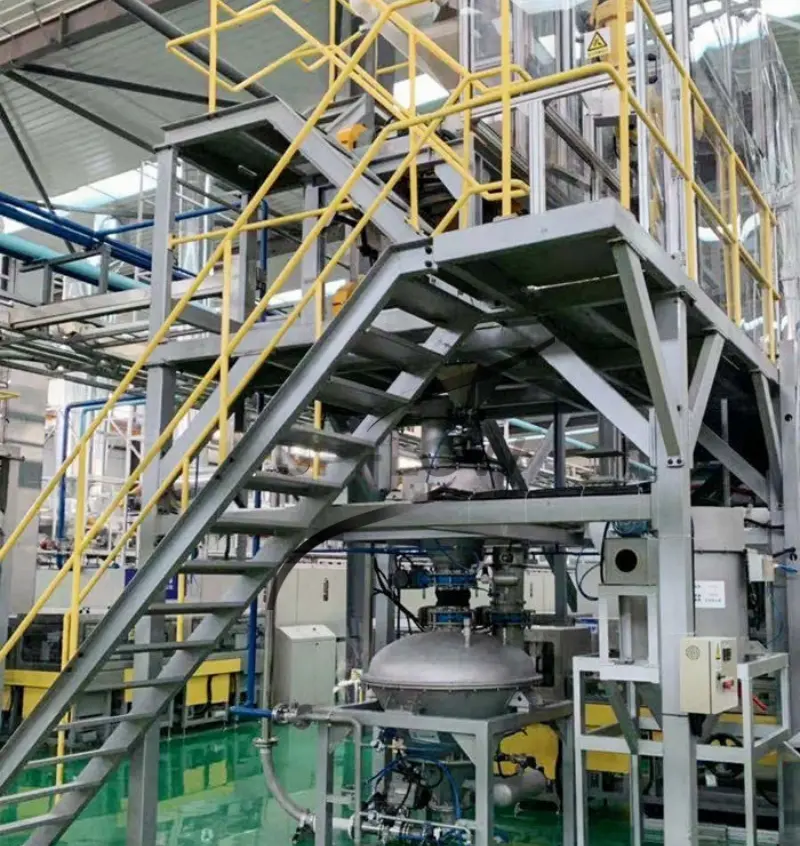
From a cost perspective, many buyers make the mistake of focusing only on the initial purchase price of a pneumatic conveying system, without considering the total cost of ownership, which includes energy consumption, maintenance, spare parts, and potential downtime. In reality, a low-cost system with poor design can result in higher operating costs over time, while a properly engineered system, although requiring a higher upfront investment, can deliver substantial savings in energy, maintenance, and labor, making it a more economical solution in the long run. Therefore, the key to cost optimization is not simply reducing initial investment, but ensuring that the system is designed for efficiency, reliability, and scalability.
Overall, selecting the right pneumatic conveying system requires a comprehensive evaluation of technical requirements, material characteristics, and long-term operational goals, rather than choosing a single type of equipment. Whether it is a vacuum conveying system, a negative pressure conveying system, or another type of material conveying system, the most effective solution is always the one that matches the specific needs of the application, ensuring efficient, clean, and reliable material handling while supporting future production expansion and continuous improvement.