
When evaluating a dense phase vs dilute phase conveying cost comparison, many buyers initially assume that dilute phase systems are always the cheaper option because of their lower upfront investment, but in reality the total cost is far more complex and depends on multiple factors such as material characteristics, conveying distance, and long-term operational efficiency, meaning that a system that appears cheaper at the beginning can become more expensive over time due to higher energy consumption, maintenance requirements, and material loss.
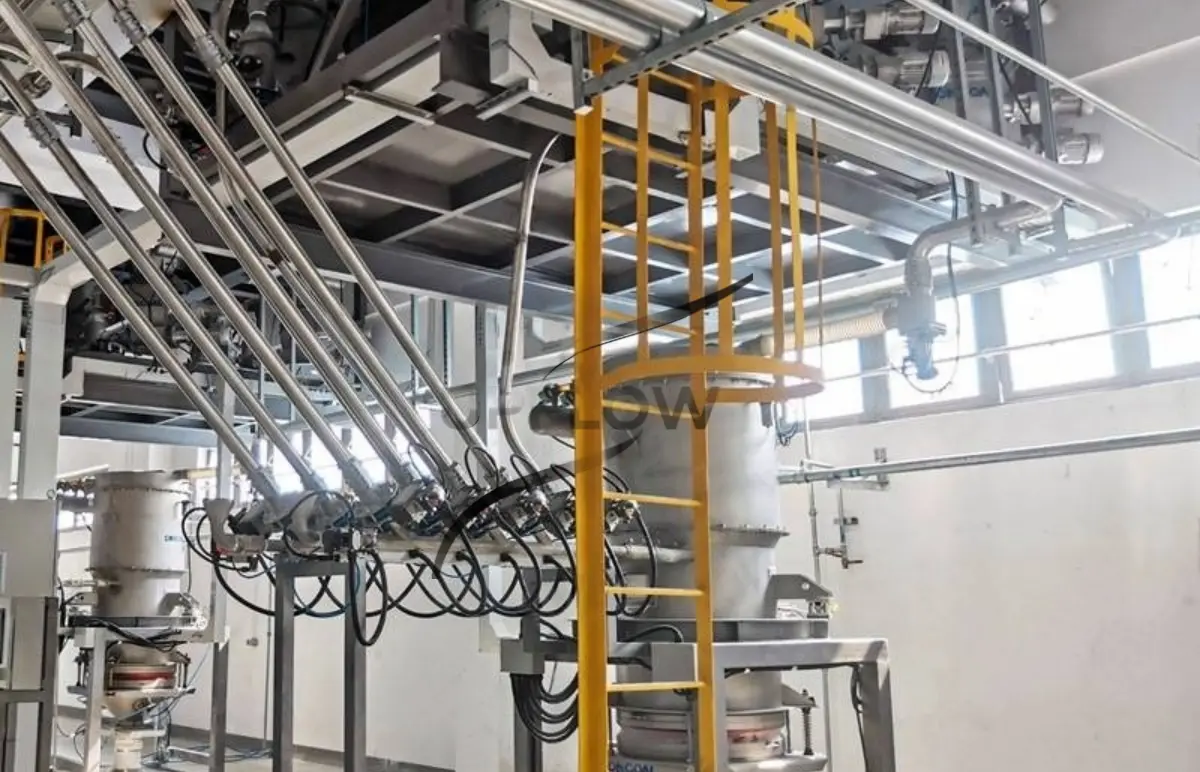
Dilute phase conveying systems typically operate at high velocity with relatively low pressure, where materials are transported in suspension and are suitable for granules or non-fragile powders, while dense phase conveying systems use low velocity and high pressure to move materials in plugs or batches, making them more suitable for fragile, abrasive, or high-value materials, and these fundamental differences lead to completely different cost structures and performance characteristics.
From an initial investment perspective, dilute phase systems are generally more cost-effective because they require simpler design, lower equipment cost, and faster installation, whereas dense phase systems involve more complex engineering, including pressure vessels, advanced control systems, and specialized valves, which increases upfront investment but also provides greater control and performance in demanding applications.
However, energy consumption is one of the most important long-term cost factors, as dilute phase systems rely on high air velocity and continuous airflow, which leads to higher energy usage and operating costs, while dense phase systems operate at lower velocity with controlled airflow, allowing them to reduce energy consumption by 20–40% in many applications, especially in long-distance conveying scenarios where efficiency becomes critical.
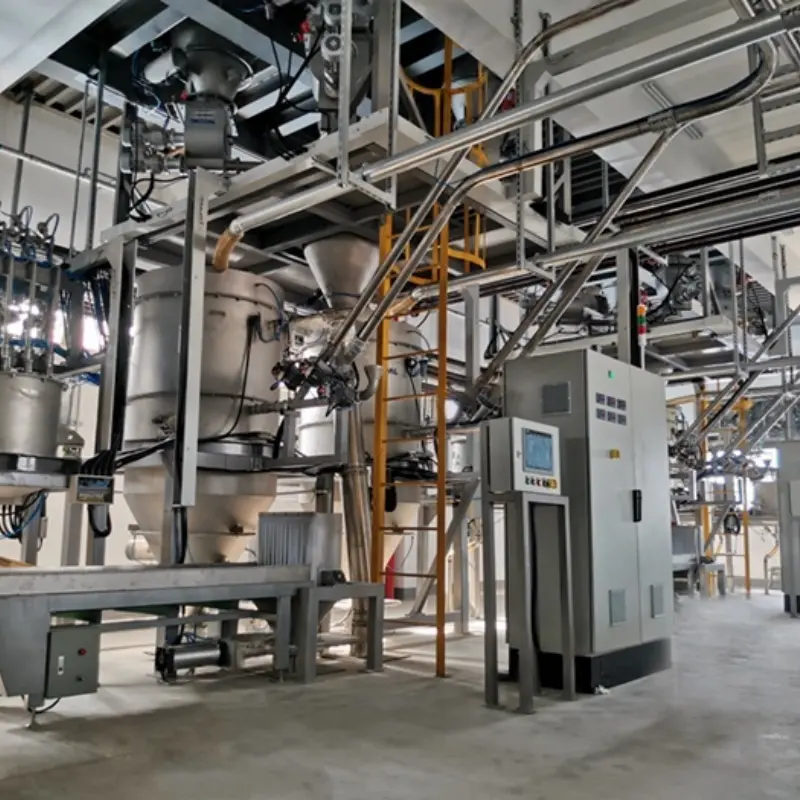
Another key difference lies in maintenance and wear, since high-speed conveying in dilute phase systems often causes significant pipeline wear, elbow erosion, and component damage, resulting in frequent maintenance and higher spare parts cost, whereas dense phase systems, due to their low-speed conveying characteristics, experience much less wear and therefore offer longer equipment lifespan and lower maintenance requirements over time.
Pipeline design also plays a crucial role in overall system cost, as improper pipe diameter, excessive bends, or poor routing can lead to pressure loss, increased energy consumption, and material accumulation, while optimized pipeline design with appropriate diameters, smooth bends, and well-planned vertical lifting sections can significantly reduce both operating cost and maintenance frequency, making it one of the most underestimated cost factors in conveying system design.
Material loss and product quality are additional cost considerations that are often overlooked, as dilute phase systems with high conveying velocity can cause particle breakage, dust generation, and material degradation, which leads to product loss and reduced quality, while dense phase conveying provides gentler transport that preserves material integrity and reduces waste, making it more economical for high-value or sensitive materials.
Dust generation is not only an environmental issue but also a direct cost factor, because higher velocity in dilute phase systems tends to generate more dust, leading to product loss, increased cleaning requirements, and potential compliance issues, whereas dense phase systems produce less dust due to lower conveying velocity, improving both workplace safety and overall operational efficiency.
Although dilute phase systems are simpler and easier to operate, making them suitable for short-distance conveying and low-value materials, dense phase systems are more complex and require stronger engineering capability, but they are better suited for long-distance conveying, fragile materials, and applications where long-term cost efficiency and product protection are critical.
Real project experience shows that choosing the correct conveying method can significantly reduce total cost, as switching from dilute phase to dense phase in certain applications can reduce maintenance cost, improve product quality, and lower energy consumption, demonstrating that proper system selection is more important than initial price when evaluating overall investment value.
When comparing total cost over a longer period such as three to five years, dilute phase systems often show lower initial investment but higher operating cost, while dense phase systems require higher upfront investment but deliver lower energy consumption, reduced maintenance, and improved efficiency, resulting in similar or even lower total cost over time, especially in demanding industrial applications.
Ultimately, a proper dense phase vs dilute phase conveying cost comparison should be based on total cost of ownership rather than initial price alone, taking into account energy consumption, maintenance, material loss, and system performance, as the most economical system is not the cheapest to purchase but the one that delivers the lowest long-term cost and highest operational efficiency.