
Introduction
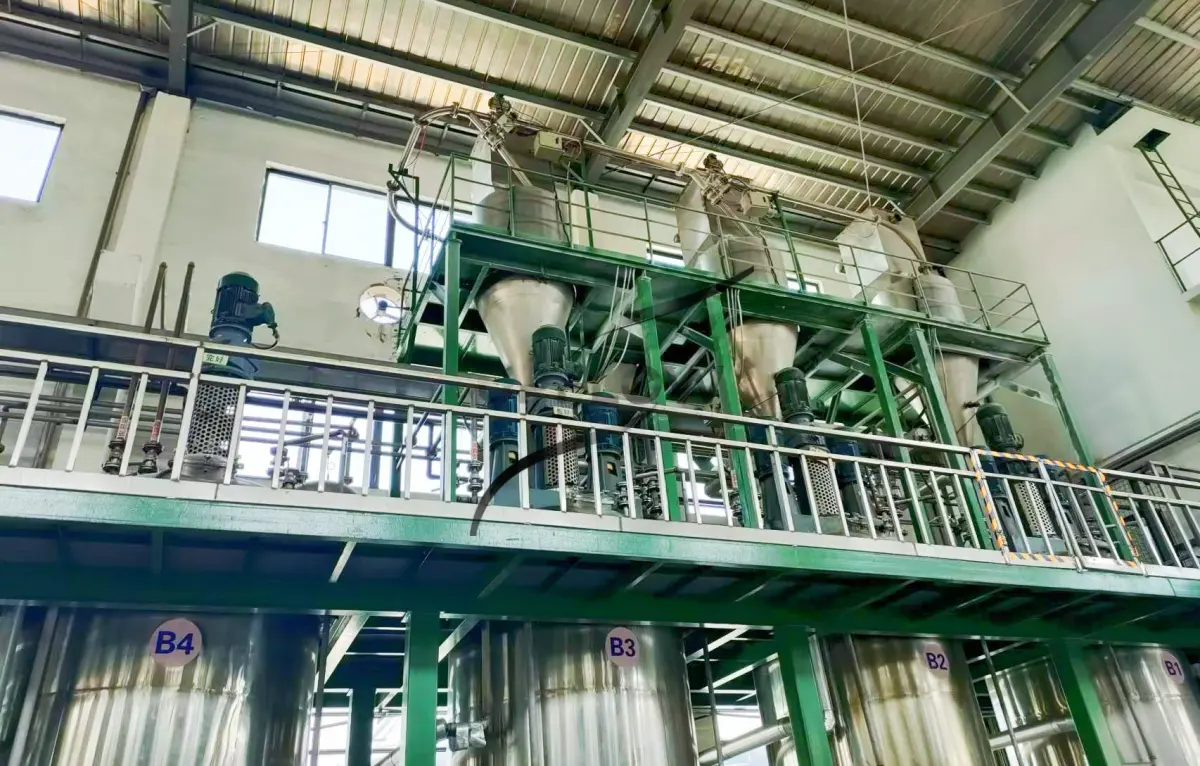
Pneumatic conveying of soda ash is a systematic solution that uses air or gas as power to transport powder or granular materials in closed pipelines. This system is widely used in industries such as glass, chemicals, ceramics, metallurgy, power, and detergents, and is particularly suitable for scenarios with high requirements for clean production, automation, and conveying efficiency. Compared with traditional mechanical conveying or manual handling, pneumatic conveying effectively reduces dust pollution, optimizes production processes, and improves overall operating efficiency.
Soda Ash Material Characteristics
Soda ash (chemical name: sodium carbonate, Na₂CO₃), also known as soda ash or washing soda, is a widely used inorganic chemical in industries such as glass manufacturing, detergents, chemicals, and metallurgy. It is typically handled in light soda ash (powder) and dense soda ash (granular) forms, depending on production and application requirements. The bulk density varies accordingly, generally around 0.5–0.6 t/m³ for light soda ash and 0.9–1.1 t/m³ for dense soda ash.
From a handling perspective, soda ash is usually free-flowing under dry conditions, but it is hygroscopic, meaning it can absorb moisture from the air and become sticky or form lumps. Fine powder forms may also generate dust during feeding and transfer, leading to material loss and environmental concerns. In addition, prolonged exposure to moisture can cause caking and flowability issues, increasing the risk of blockage in pipelines or hoppers.
Therefore, when designing a soda ash pneumatic conveying system, it is important to ensure enclosed conveying, proper moisture control, stable feeding, and appropriate airflow velocity to prevent dust generation, material buildup, and system instability.
Introduction to Soda Ash Granular Conveying Equipment
Soda ash powder conveying systems achieve continuous material transport through airflow energy. This system features high automation, flexible layout, and excellent sealing, meeting the requirements of varying production volumes and conveying distances. Pneumatic conveying systems have become a common material handling method in industries such as fiberglass, chemicals, and power generation.
Structure of Soda Ash Granule Conveying Equipment
A complete soda ash pneumatic conveying system typically consists of a feeding device, air source equipment, conveying pipelines, a separation and dust removal system, a storage unit, and a control system. The feeding device is responsible for stable material supply; common equipment includes a feeding station and screw feeder. The air source equipment provides the conveying power; the pipeline system is used for material transfer; the separation device achieves gas-solid separation and controls dust; the control system uses a PLC for automatic operation and monitoring. All parts work together to ensure stable system operation.
Working Principle
The soda ash pneumatic conveying system uses airflow to carry and propel the material, transporting soda ash from one location to another within a sealed pipeline. The entire conveying process is carried out in a closed system, effectively reducing dust diffusion and improving the cleanliness of the production environment.
Features of Pneumatic Conveying of Soda Ash
This system features flexible conveying paths and strong adaptability, enabling multi-point feeding and discharging, suitable for complex process layouts. Furthermore, because the conveying process is completed in a closed environment, it is unaffected by external environmental factors, which helps protect material quality and reduce contamination. In addition, the system can be linked with batching, metering, and mixing equipment to achieve automated production.
Advantages of Pneumatic Conveying of Soda Ash
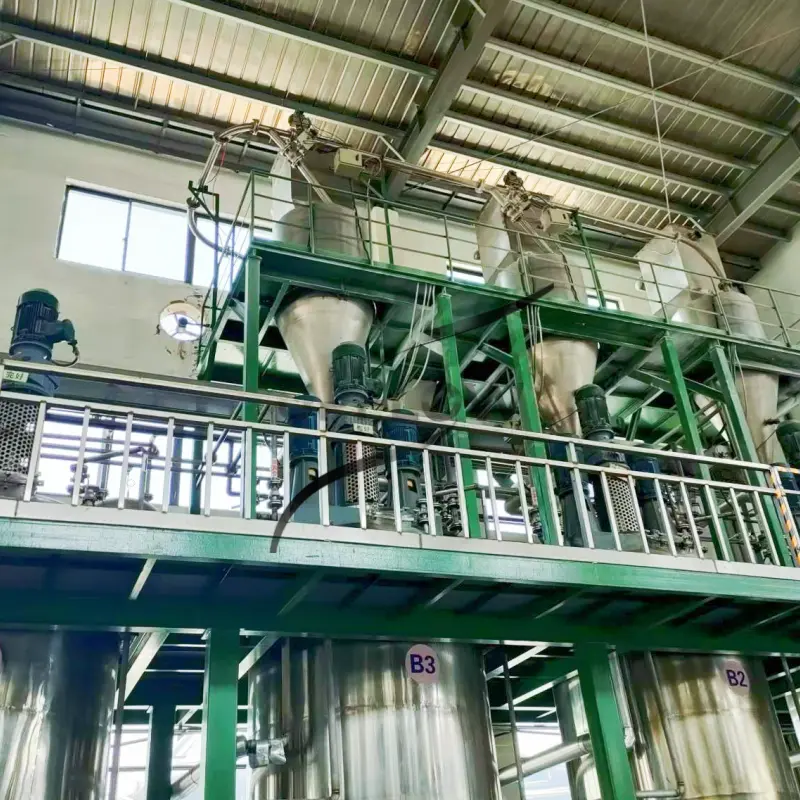
The soda ash powder conveying system has many advantages in practical applications. First, closed conveying reduces dust escape and material loss; second, it prevents material from getting damp or contaminated, ensuring product quality; simultaneously, the system has a high degree of automation, reducing manual operation and improving production efficiency. In some operating conditions, protective gas conveying can also be used to meet special process requirements.
Selection Tips for Soda Ash Powder Conveying Systems
When selecting soda ash conveying equipment, the material characteristics and process requirements should be comprehensively considered. First, the conveying capacity, conveying distance, and site layout need to be clearly defined; second, the bulk density, particle size, and moisture content of the material should be analyzed to determine the appropriate conveying method and equipment configuration. Meanwhile, priority should be given to manufacturers with system design and engineering experience to ensure equipment quality and operational stability. Through multi-party comparison and technical communication, a conveying solution more suitable for one’s own production needs can be selected.
Conclusion
Pneumatic conveying systems for soda ash are an efficient, clean, and flexible powder conveying method that can meet the requirements of modern industry for automation and environmental protection. Through reasonable design and scientific selection, not only can conveying efficiency be improved, but the production environment can also be optimized, and the overall process level can be enhanced. For enterprises that need to handle powders, pneumatic conveying systems have significant application value.