
Introduction
Resin powder, as a fundamental raw material widely used in plastics, chemical processing, coatings, and polymer industries, plays a critical role in modern manufacturing processes, and therefore the selection of an efficient, stable, and environmentally friendly conveying solution is essential to ensure continuous production, maintain product quality, and reduce material loss during transportation; among the various conveying technologies available today, the resin powder pneumatic conveying system has gradually become one of the most preferred solutions due to its ability to handle fine powders in a closed, automated, and highly efficient manner.
Material Characteristics of Resin Powder
Resin powder is not a single material but rather a category of polymer-based powders that includes various types such as PVC resin powder (polyvinyl chloride), polyethylene (PE) powder, polypropylene (PP) powder, ABS powder, and epoxy resin powder, all of which are widely applied in different industrial processes due to their excellent chemical stability, electrical insulation properties, and processability; however, despite these advantages, resin powders generally share common characteristics such as fine particle size, low bulk density, and a tendency to generate dust during handling, which makes it necessary to adopt a well-designed resin powder conveying system capable of ensuring stable flow, minimizing contamination, and maintaining environmental safety throughout the conveying process.
Common Resin Powder Conveying Methods
When it comes to transporting resin powder in industrial environments, several conveying methods can be considered, including mechanical conveying systems such as screw conveyors, as well as pneumatic conveying systems, each of which has its own advantages and limitations depending on the specific application scenario; mechanical conveying systems rely on physical movement through rotating or moving components and are generally suitable for short-distance, low-height, and relatively simple conveying tasks, whereas pneumatic conveying utilizes airflow energy to transport materials through enclosed pipelines, offering greater flexibility in layout design and significantly improved dust control performance, making it particularly suitable for fine powder handling and complex production environments where cleanliness and automation are required.
Can Resin Powder Be Conveyed by Pneumatic Systems?
Resin powder is highly compatible with pneumatic conveying technology due to its fine particle size, relatively low density, and generally good flowability, which allow it to be transported efficiently within a gas-solid two-phase flow system; in a typical resin powder transfer system, compressed air or vacuum is used as the driving force to create airflow within pipelines, carrying the powder from the feeding point to the receiving location, where a separation device is used to achieve gas-solid separation, and depending on the operating conditions and process requirements, the system can be configured as a negative pressure (vacuum) system, a positive pressure system, or a combined system, with dilute phase conveying being the most commonly used mode due to its balance between efficiency and system stability.
Resin Powder Pneumatic Conveying Process
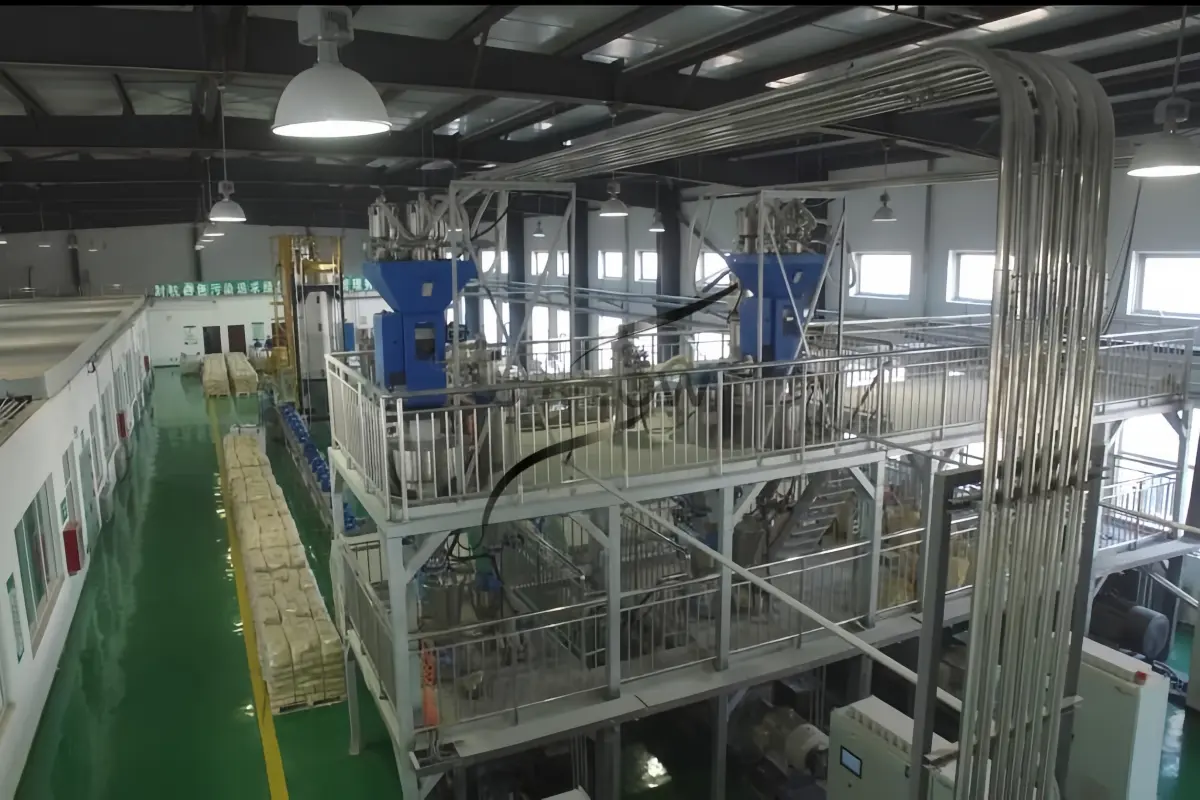
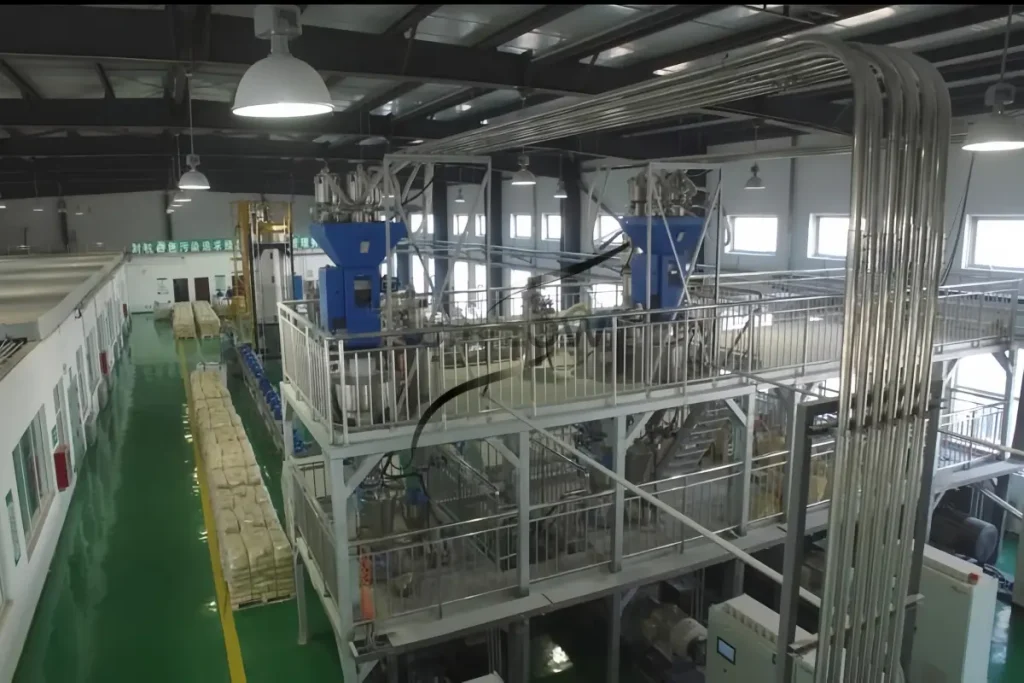
The process of resin powder pneumatic conveying involves the use of airflow to transport powder materials from the source to the destination in a continuous and controlled manner, during which the powder is suspended in the moving air stream and flows through pipelines as part of a gas-solid mixture, and this method, which forms the basis of a modern resin powder conveying system, typically includes key elements such as a gas source unit, conveying pipelines, feeding devices, receiving equipment, and a control system, all of which work together to ensure stable operation, high conveying efficiency, and reliable performance across various industrial applications including resin production, storage, and downstream processing.
Advantages of Resin Powder Pneumatic Conveying
Compared with traditional conveying methods, resin powder pneumatic conveying systems offer a wide range of advantages, including high conveying efficiency due to continuous airflow-driven transport, reduced energy consumption when system parameters are optimized, the ability to handle long-distance conveying tasks with minimal material loss, and improved safety and environmental performance thanks to enclosed pipeline design, which significantly reduces dust emission; in addition, the compact structure of pneumatic systems allows them to occupy less installation space, while their relatively simple mechanical configuration results in lower maintenance requirements, and in more advanced production setups, a resin powder mixed conveying system can be integrated to support simultaneous conveying and mixing processes, further enhancing production efficiency and flexibility.
Key Considerations for Resin Powder Conveying
In order to achieve optimal performance when designing or selecting a pneumatic conveying system for resin powder, it is necessary to consider multiple factors, including the selection of appropriate pipeline materials that are resistant to wear, corrosion, and pressure, the determination of suitable conveying capacity and system stability based on production needs, and the control of airflow velocity to prevent excessive particle movement that could lead to dust generation or pipeline abrasion; moreover, ensuring proper sealing performance is essential to avoid material leakage, while system safety, operational convenience, and ease of maintenance should also be taken into account, and in applications where dust control and environmental protection are particularly important, the implementation of a resin powder ash pneumatic conveying system can further enhance dust collection efficiency and ensure compliance with environmental standards.
Conclusion
In conclusion, the resin powder pneumatic conveying system represents an efficient, reliable, and environmentally friendly solution for modern industrial material handling, offering significant advantages in terms of conveying efficiency, operational stability, dust control, and system flexibility, and although it may require higher initial investment compared to some traditional mechanical systems, its long-term benefits in reducing labor costs, improving production efficiency, and maintaining product quality make it a highly valuable choice for industries dealing with resin powders.
With extensive experience in material handling, UPFLOW provides customized conveying solutions tailored to different materials and process requirements, helping clients optimize system performance and simplify their production processes while enhancing overall competitiveness.