
Introduction
Selecting a suitable sulfur powder pneumatic conveying system is a critical step in ensuring safe, efficient, and continuous production, especially in industries such as chemicals, fertilizers, and rubber processing where sulfur powder is widely used.Due to its combustible nature and fine particle size, sulfur powder requires a carefully designed conveying solution that not only improves efficiency but also ensures explosion safety and environmental protection.
Material Characteristics of Sulfur Powder
Sulfur powder is typically produced by crushing sulfur lumps or flakes into fine particles, resulting in a material that has a bulk density of approximately 0.9–1.3 t/m³ and relatively good flowability under controlled conditions.However, sulfur powder is highly flammable and can form explosive dust-air mixtures, which means that any sulfur powder pneumatic conveying system must include anti-static design, explosion-proof components, and reliable sealing performance.
Understanding Conveying Types for Sulfur Powder
When selecting a sulfur powder pneumatic conveying system, it is important to understand the different conveying modes available, including dilute phase and sulfur powder dense phase conveying system configurations.Dilute phase systems are suitable for long-distance and high-speed conveying, while dense phase conveying reduces pipeline wear and material degradation, making it ideal for sensitive or high-value materials.
In addition, systems can be configured as positive pressure or negative pressure systems, and in many industrial applications, a sulfur powder positive pressure blowing system is preferred due to its stable conveying performance and high capacity.
Key Factors in Sulfur Powder Pneumatic Conveying System Selection
1. Conveying Distance and Capacity
The required conveying distance and throughput directly determine system pressure, airflow velocity, and equipment sizing.For long-distance applications, a sulfur powder long distance pipeline conveying system must be carefully designed to minimize pressure loss and ensure consistent material flow.
2. Material Properties
Material characteristics such as particle size, moisture content, density, and explosiveness must be fully evaluated before system design.These factors influence pipeline diameter, airflow requirements, and the selection of feeding and discharge equipment.
3. Process Parameters
Key process parameters include conveying velocity, pipeline layout, temperature, and friction conditions, all of which affect system performance and energy consumption.Proper parameter calculation ensures that the sulfur powder pneumatic conveying system operates efficiently without causing blockages or excessive wear.
4. Safety and Environmental Requirements
Because sulfur powder is combustible, explosion protection and dust control are essential considerations.
A well-designed system should include airtight pipelines, explosion-proof equipment, grounding measures, and efficient dust collection units to ensure safe and compliant operation.
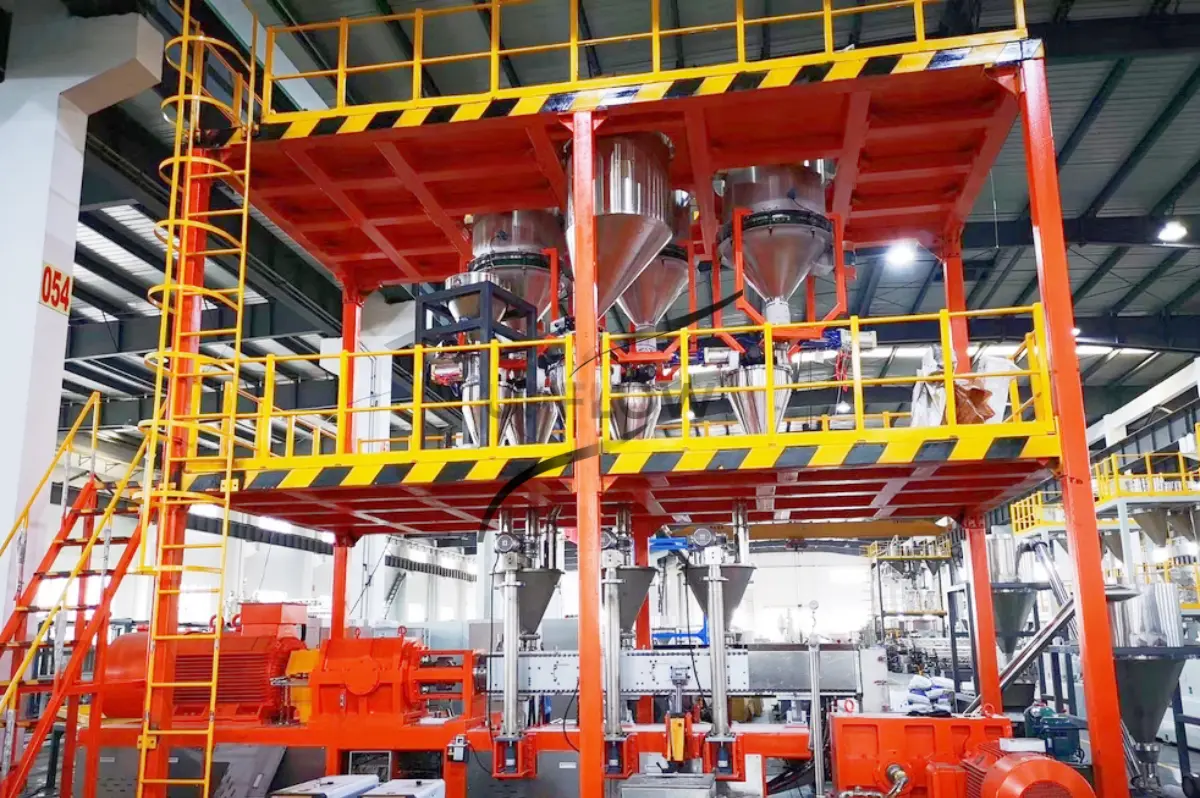
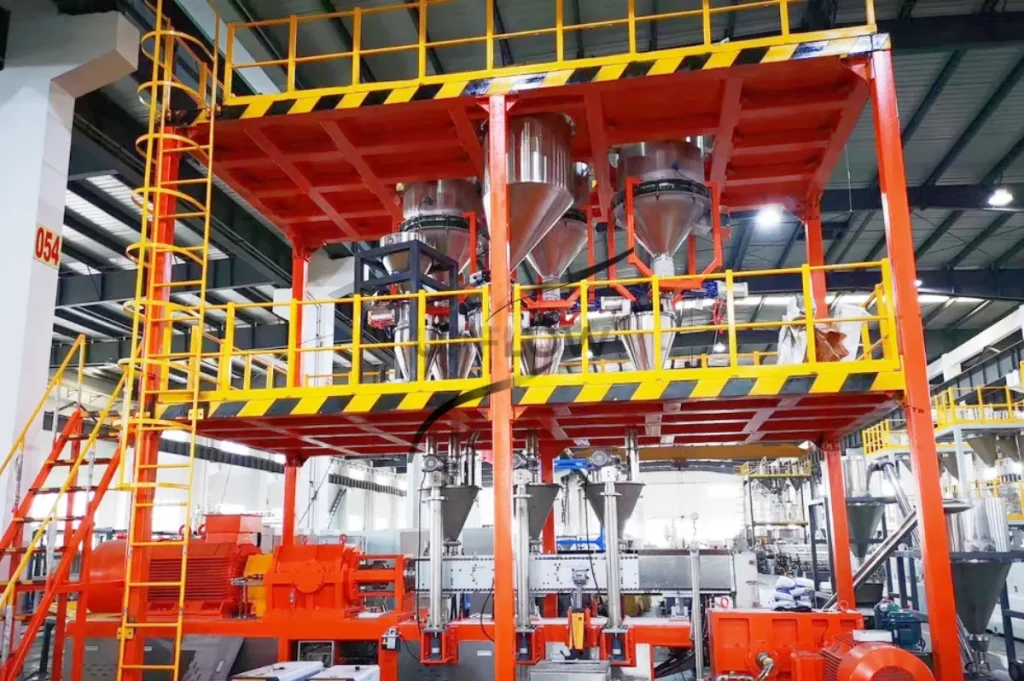
In many cases, integrating a sulfur powder centralized feeding system helps improve automation while reducing manual handling risks.
Practical Selection Process
The selection of a sulfur powder pneumatic conveying system typically begins with defining project requirements such as conveying capacity, distance, and layout constraints.Next, an appropriate conveying mode is selected, followed by detailed calculations of airflow, pressure, and pipeline dimensions.
After that, equipment such as feeders, and dust collectors are selected based on the calculated parameters, and the proposed solution is validated and optimized to ensure stable and efficient operation in real working conditions.
Advantages of a Well-Designed System
A properly designed sulfur powder pneumatic conveying system can significantly improve production efficiency while reducing dust emission and material loss.Compared with traditional conveying methods, pneumatic systems offer better sealing performance, flexible layout design, and lower maintenance requirements.
In addition, modern systems can be integrated with automation control to achieve precise material handling and stable process operation.
Conclusion
Choosing the right sulfur powder pneumatic conveying system requires a comprehensive understanding of material characteristics, process requirements, and safety considerations.By selecting an optimized solution and working with an experienced supplier, companies can achieve efficient, safe, and reliable conveying while reducing operational risks and long-term costs.