
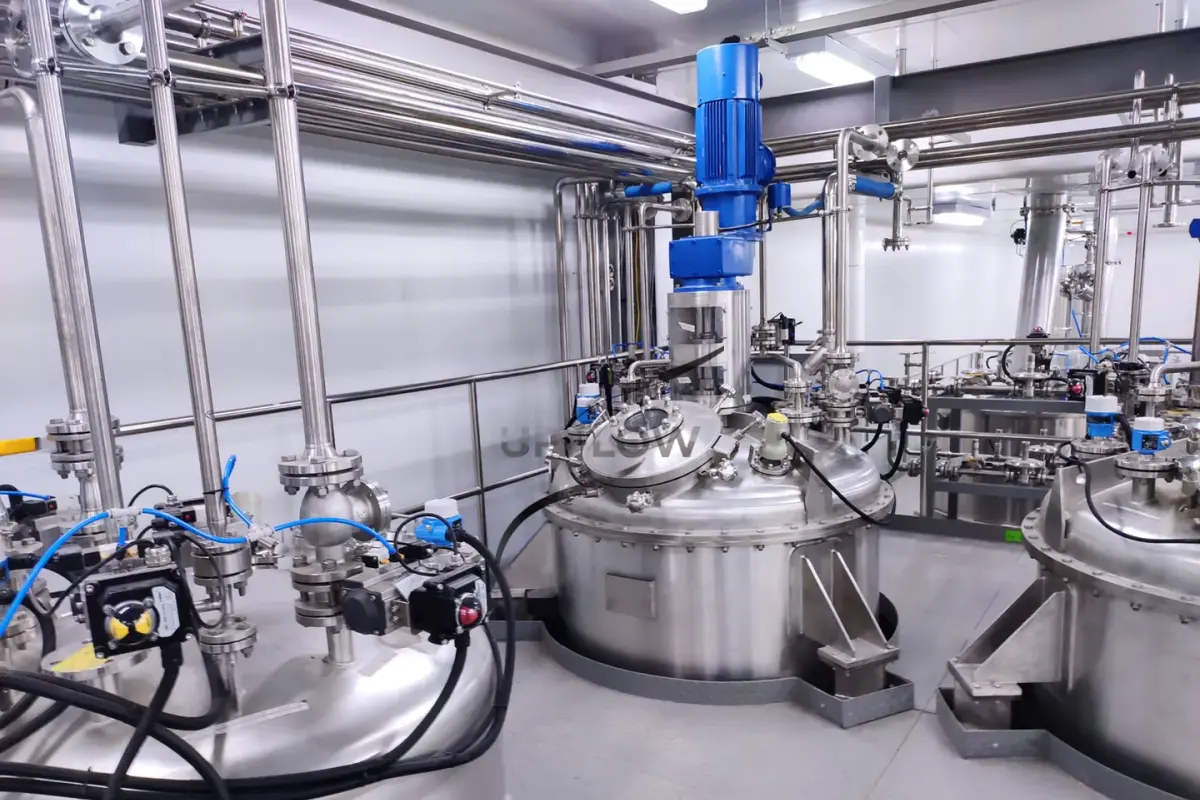
Material Profile: Properties and Types of Silicon-Based Anode Materials
Silicon-based anode materials, also known as silicon anode powder, Si-based battery materials, or silicon-carbon composite powders, are widely used in next-generation lithium-ion batteries due to their extremely high theoretical capacity and excellent energy density potential.
In industrial handling, these materials are typically processed as fine or ultra-fine powders, with a bulk density ranging from approximately 0.2 to 1.0 g/cm³, depending on structure and formulation. They are characterized by high surface activity, strong tendency to agglomerate, sensitivity to moisture and oxygen, and potential dusting behavior, which makes conveying particularly challenging. Silicon-based anode materials can be classified into nano silicon powder, silicon-carbon composites, silicon oxide (SiOx) powders, and coated silicon particles, each requiring precise and controlled conveying solutions.
What Is a Silicon-Based Anode Pneumatic Conveying System?
A silicon-based anode material pneumatic conveying system is a specialized solution designed to transport sensitive battery powders through enclosed pipelines using controlled airflow, ensuring clean, stable, and automated transfer.
In industrial applications, it is also referred to as a powder automatic conveying system for silicon anode materials, a fully automatic conveying system for silicon-based powders, or a high-airflow pneumatic conveying system for battery materials, depending on system configuration. This material pneumatic conveying system for silicon-based anode powder is designed to meet strict requirements for purity and consistency.
Conveying Strategies for Silicon Anode Powders
Due to the fine particle size and high reactivity of silicon-based materials, selecting the appropriate conveying method is critical.
For nano silicon powder or silicon-carbon composite powders, a low-velocity powder automatic conveying system for silicon-based anode materials is preferred, as it reduces particle breakage and prevents dust emission. In high-throughput applications, a high-airflow pneumatic conveying system for silicon anode powder can be used with controlled airflow to maintain stable conveying while minimizing material degradation.
As a fully enclosed conveying system for silicon-based anode powders, it ensures that materials are protected from external contamination and moisture exposure.
System Operation and Integration
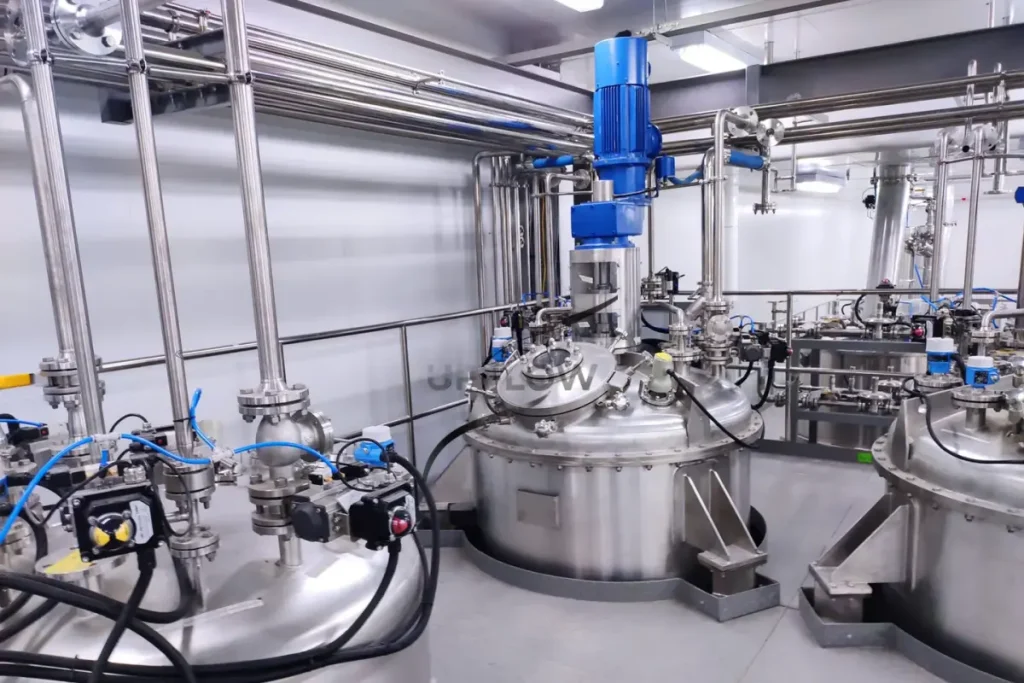
In a typical silicon-based anode material pneumatic conveying system, powders are transferred from storage silos or feeding stations into pipelines through controlled feeding devices, and then transported to downstream equipment such as mixers, reactors, or coating units.
As a powder automatic conveying system for silicon-based battery materials, it integrates advanced control systems to monitor airflow, pressure, and feeding rates, ensuring consistent performance and precise dosing across the production line.
Advantages of Silicon-Based Anode Conveying Systems
The silicon-based anode material pneumatic conveying system offers several advantages.
As a fully automatic conveying system for silicon-based powders, it ensures dust-free and enclosed operation, protecting material quality and improving production safety. In addition, it supports automated feeding, flexible layout, and scalable capacity, functioning as an efficient powder conveying system for advanced battery materials.
Furthermore, the system reduces material loss, improves process stability, and enhances overall production efficiency in high-performance battery manufacturing.
Conclusion
The silicon-based anode material pneumatic conveying system provides a reliable and efficient solution for handling next-generation battery powders. By integrating powder automatic conveying systems, fully automatic conveying systems, and high-airflow pneumatic conveying technologies for silicon-based anode materials, manufacturers can achieve clean production, precise material transfer, and high-efficiency operation in advanced energy storage industries.