
- admin
- Sep 7, 2026
- Custom Fabrication
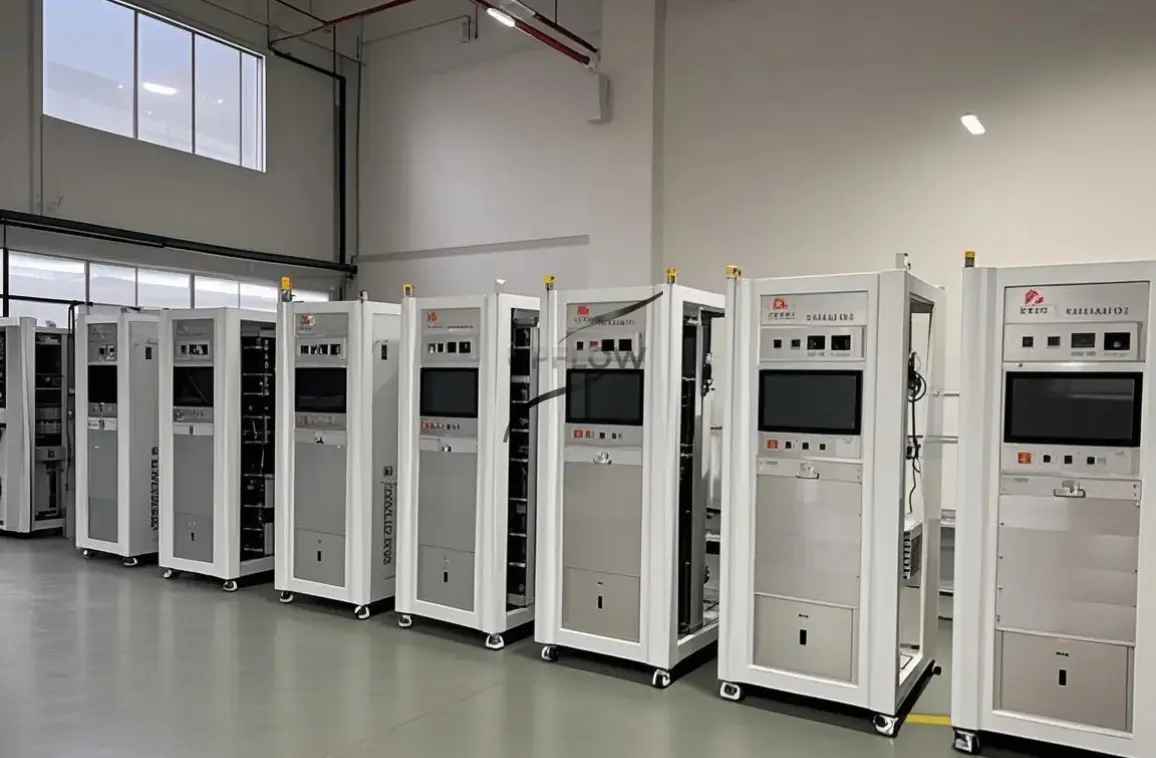
The rapid growth of artificial intelligence, high-performance computing, and cloud infrastructure is creating new requirements for server hardware, and behind every reliable AI computing system is a physical structure that must accommodate powerful processors, cooling systems, power supplies, cables, storage devices, and other critical components. Sheet Metal Fabrication for AI Server Chassis and Data Center Equipment provides a flexible manufacturing solution for companies that need customized chassis, enclosures, brackets, panels, and structural components designed around specific server configurations and data center applications.
Unlike standard metal enclosures that are manufactured around fixed dimensions, custom-fabricated server components can be developed according to engineering drawings, CAD models, prototype requirements, or specific equipment layouts, allowing manufacturers to control dimensions, mounting positions, ventilation openings, cable access, material selection, and surface finishing according to the final application.
Why Sheet Metal Fabrication Is Important for AI Server Chassis
AI servers are often designed around high-performance computing hardware that generates significant heat and requires careful integration of processors, GPUs, power supplies, cooling components, storage systems, and communication interfaces.
As hardware configurations become more specialized, standard server chassis may not always provide the required dimensions, internal mounting arrangements, airflow openings, or cable management features. Sheet Metal Fabrication for AI Server Chassis and Data Center Equipment allows these structural components to be manufactured according to the actual engineering requirements of the equipment.
A custom chassis can include accurately positioned mounting holes, removable panels, ventilation openings, cable routing features, brackets, rails, and other details that allow different hardware components to be installed and maintained efficiently.
Material Selection for AI Server Chassis
Material selection has a direct influence on the strength, weight, appearance, manufacturability, and cost of an AI server chassis.
Depending on the application, manufacturers may use stainless steel, cold-rolled steel, galvanized steel, or aluminum alloys. Stainless steel can provide good corrosion resistance and durability, while cold-rolled steel offers a combination of strength and cost efficiency for many indoor equipment applications. Aluminum can be considered when weight reduction is an important design requirement.
The most appropriate material should be selected according to the chassis structure, operating environment, required strength, surface treatment, production volume, and customer specifications rather than assuming that one material is suitable for every data center application.
Precision Cutting and Forming
Accurate cutting and forming are fundamental stages in the production of a custom server chassis because the final components must fit together correctly and maintain the required interfaces with internal hardware.
Laser cutting and other suitable sheet metal processing methods can be used to produce panels, brackets, mounting plates, ventilation openings, cable access points, and structural components according to engineering drawings. After cutting, sheet metal bending can create the required three-dimensional geometry while maintaining the dimensional relationships between different components.
For AI server chassis and data center equipment, even relatively small dimensional deviations can affect assembly, particularly when multiple panels, brackets, rails, and mounting components need to work together within a limited space.
Ventilation and Airflow Considerations
Thermal management is one of the most important design considerations for high-performance computing equipment because processors, GPUs, power supplies, and other electronic components can generate substantial heat during operation.
The chassis structure should therefore accommodate the equipment’s cooling strategy through appropriately positioned ventilation openings, fan mounting areas, air channels, or other features defined by the engineering design.
Sheet metal fabrication provides considerable flexibility when producing these openings and structural features, allowing the chassis to be adapted to different airflow concepts rather than relying on a fixed standard enclosure.
However, the fabrication manufacturer should not independently determine the thermal design unless this responsibility has been specifically included in the project scope; instead, the manufacturer’s role is generally to accurately produce the physical structure according to the customer’s engineering requirements.
Cable Management and Component Integration
Modern data center equipment contains a large number of power cables, network connections, control cables, and other interfaces, making cable routing an important consideration when designing server chassis and equipment enclosures.
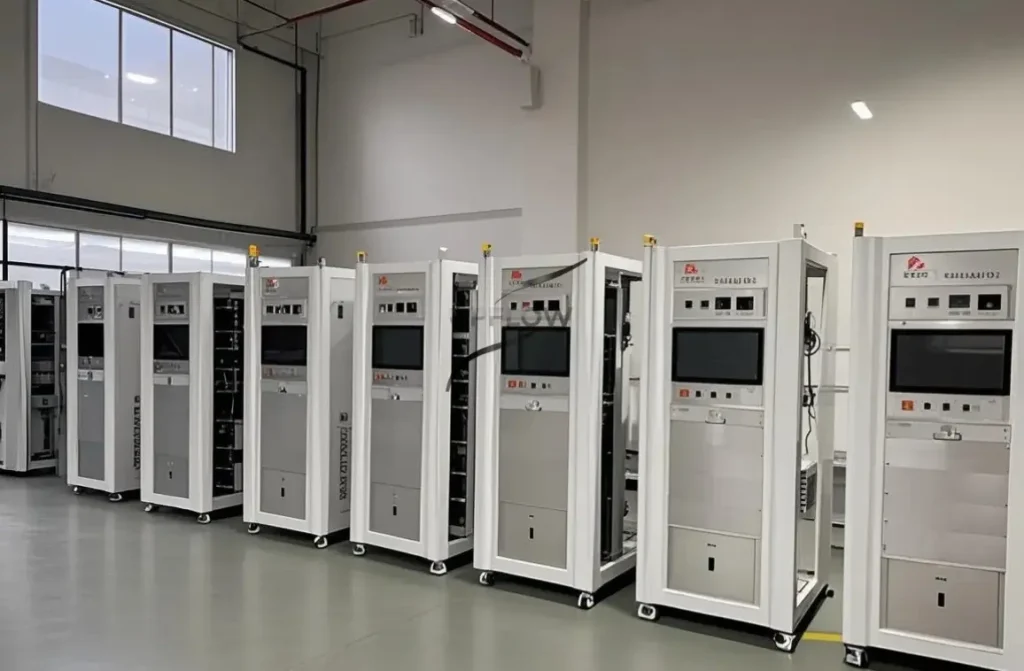
Custom-fabricated panels can incorporate cable openings, brackets, mounting points, removable sections, and other features required by the customer’s equipment layout, helping create a cleaner and more organized internal structure.
For OEM customers developing specialized AI hardware, these details can be incorporated directly into the fabrication drawings so that the finished chassis is manufactured as an integrated part of the overall equipment design.
Surface Finishing for Data Center Equipment
Surface finishing influences both the appearance and protection of fabricated server components.
Depending on the selected material and project requirements, sheet metal components may receive powder coating, painting, brushing, polishing, or other suitable surface treatments. For equipment used in controlled indoor environments, the finishing process may primarily focus on appearance, durability, and consistency, while certain industrial environments may require additional corrosion protection.
Consistent surface treatment is particularly important when multiple chassis panels or components are assembled into one finished product because differences in texture, coating, or color can affect the overall appearance.
From Prototype to Production
AI hardware is developing quickly, and equipment manufacturers may need to produce several prototypes before finalizing a chassis design.
A custom fabrication supplier can support this development process by producing prototype components from engineering drawings, allowing the OEM customer to verify dimensions, hardware installation, cable routing, appearance, and assembly before moving into repeat production.
Once the design has been approved, the same manufacturing process can be adapted for small-batch or repeat production, helping the customer maintain consistency between different units.
This flexibility is one of the major advantages of Sheet Metal Fabrication for AI Server Chassis and Data Center Equipment, particularly for companies developing customized computing hardware rather than standardized server products.
Choosing a Fabrication Partner for AI and Data Center Components
When selecting a fabrication supplier, AI hardware companies and data center equipment manufacturers should consider more than the basic manufacturing price.
Important factors include the supplier’s ability to understand engineering drawings, process different sheet metal materials, control dimensions, perform welding and secondary processing when required, provide consistent surface finishing, and maintain quality across repeat orders.
Communication is equally important because custom server chassis projects often involve detailed requirements concerning dimensions, material thickness, mounting points, openings, tolerances, and finishing.
A fabrication partner that can coordinate cutting, forming, welding, machining, finishing, inspection, and assembly can simplify the supply chain and reduce the need to manage multiple subcontractors.
Custom Fabrication for the Next Generation of AI Infrastructure
As AI computing and data center infrastructure continue to develop, server hardware is becoming increasingly specialized, creating demand for flexible manufacturing solutions that can adapt to different equipment designs.
Sheet Metal Fabrication for AI Server Chassis and Data Center Equipment enables manufacturers to transform engineering concepts into practical metal structures while maintaining control over dimensions, materials, openings, mounting features, surface finishing, and production quantities.
For companies developing AI servers, GPU computing equipment, data center hardware, and related industrial systems, a capable fabrication partner can support the project from prototype development through repeat production.
UPFLOW provides custom fabrication solutions for AI server chassis, server enclosures, equipment housings, brackets, frames, and other custom metal components based on customer drawings and project requirements.
If you are developing an AI server, data center component, or customized computing enclosure, you can provide your engineering drawing or project specifications to UPFLOW for fabrication review and quotation.