
- admin
- Sep 7, 2026
- Custom Fabrication
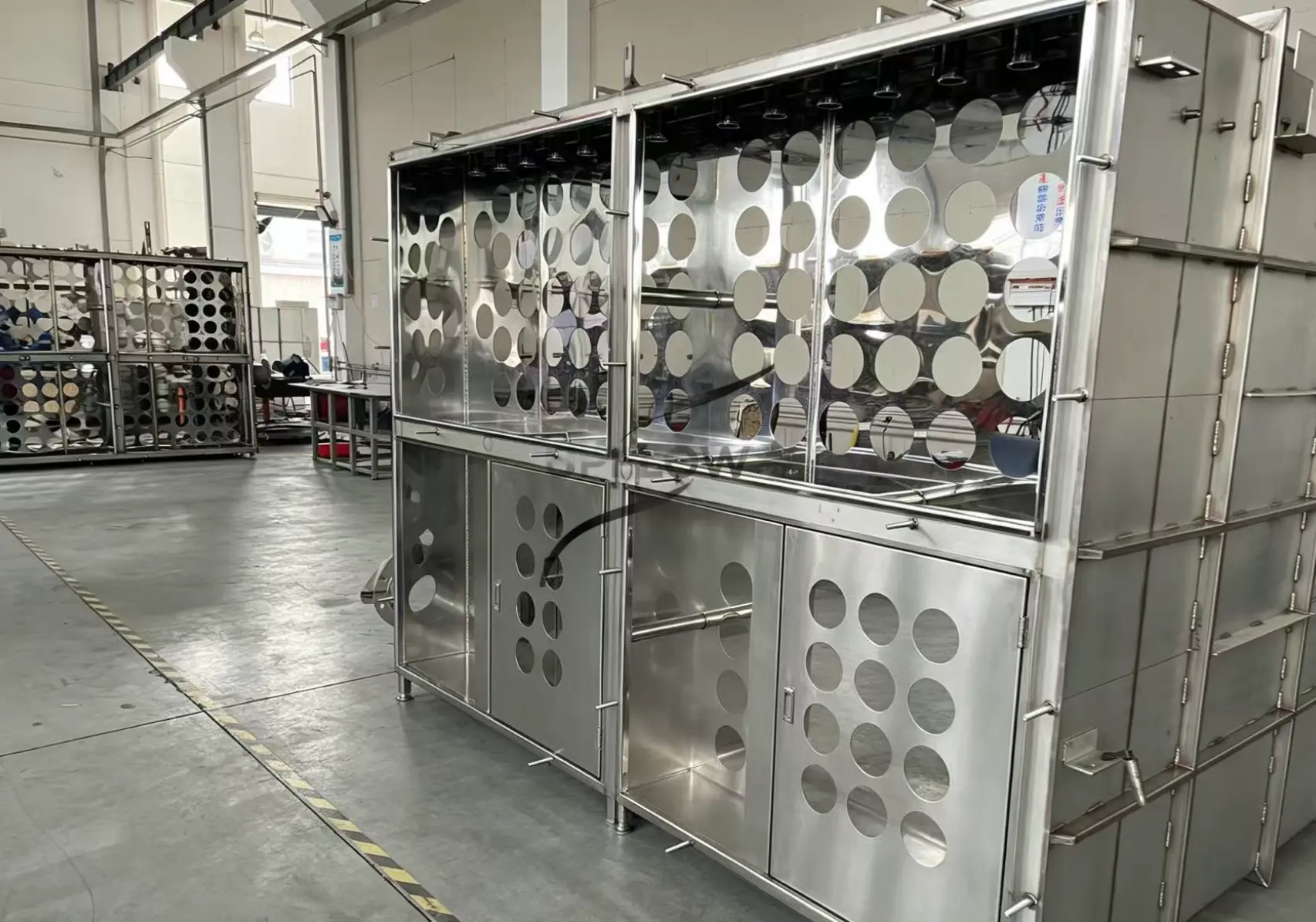
In industrial equipment manufacturing, the enclosure is more than a protective outer shell; it is an important structural component that protects internal systems, improves equipment reliability, supports installation requirements, and contributes to the overall performance and appearance of the final product. When developing a machine, control system, electrical cabinet, automation equipment, or specialized industrial device, choosing the right custom equipment enclosure design can have a significant impact on durability, maintenance efficiency, and long-term operation.
Unlike standard enclosures with fixed dimensions and features, a custom enclosure is designed around the specific requirements of the equipment, including internal components, installation environment, cooling requirements, cable connections, protection requirements, and customer specifications. A well-designed enclosure should not only fit the equipment but also improve usability, safety, and production efficiency.
Understanding the Purpose of a Custom Equipment Enclosure
The primary function of an enclosure is to protect sensitive components from external factors such as dust, moisture, mechanical impact, temperature changes, and accidental contact. However, modern industrial applications require enclosures to perform more than basic protection.
A properly designed custom equipment enclosure needs to consider the relationship between internal components and the external operating environment. Electrical systems may require cable access, ventilation, grounding points, and mounting structures, while mechanical equipment may require access panels, inspection doors, brackets, and structural reinforcement.
For OEM equipment manufacturers, the enclosure is often an integrated part of the machine design rather than an independent component. Therefore, the enclosure should be developed together with the overall equipment architecture to ensure proper installation and reliable operation.
Selecting the Right Material for Equipment Enclosures
Material selection is one of the most important decisions when designing a custom enclosure because it affects strength, corrosion resistance, weight, appearance, and manufacturing cost.
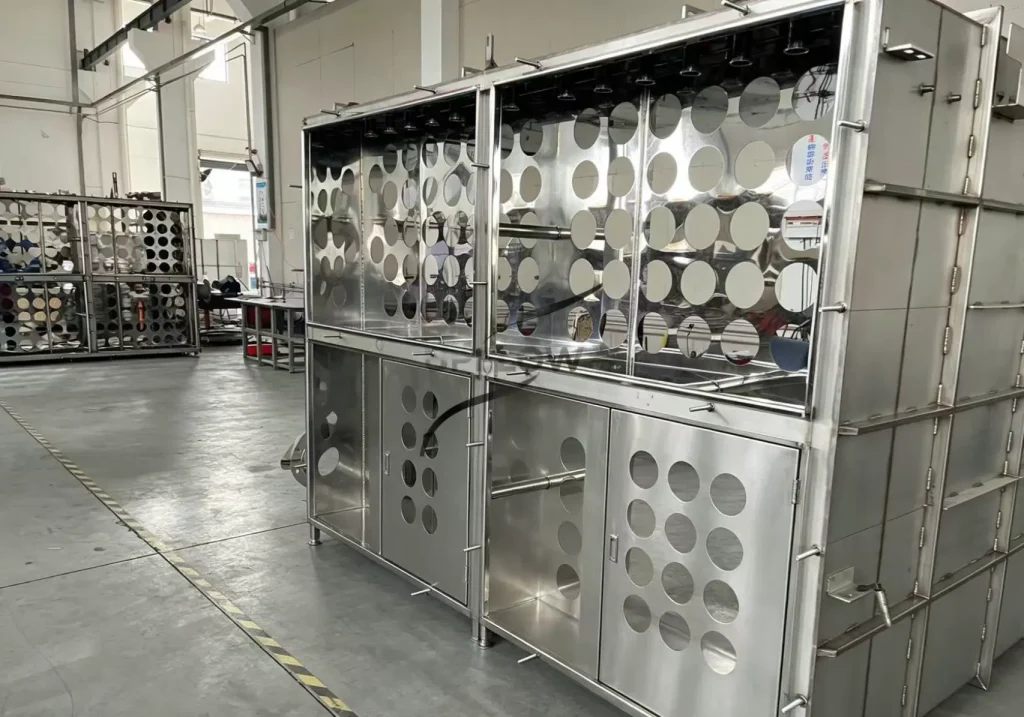
Stainless steel is commonly selected for applications requiring durability, corrosion resistance, hygiene, or a professional appearance. It is widely used in industrial equipment, food processing applications, chemical environments, and specialized machinery.
Carbon steel and galvanized steel may be suitable for applications where structural strength and cost efficiency are more important, while aluminum can be considered when lightweight construction is required.
The best material depends on the working environment, installation location, exposure conditions, required service life, and the specific requirements of the equipment.
Considering Dimensions and Internal Layout
A successful enclosure design begins with understanding the size and arrangement of the internal components.
Before fabrication begins, engineers should consider the dimensions of electrical components, mechanical parts, control systems, cables, cooling devices, and future maintenance requirements. An enclosure that is too small may create installation difficulties, while an unnecessarily large enclosure can increase material usage and manufacturing costs.
For OEM equipment manufacturers, internal layout planning is especially important because the enclosure often needs to accommodate components from different suppliers while maintaining proper spacing and accessibility.
A professional custom equipment enclosure design should therefore include not only external dimensions but also internal mounting locations, cable routing paths, service areas, and assembly requirements.
Ventilation and Thermal Management
Heat management is another key factor in enclosure design, particularly for equipment containing electrical systems, control modules, power supplies, or high-performance computing components.
Electronic components generate heat during operation, and insufficient ventilation can reduce equipment lifespan or affect system reliability. Depending on the application, enclosure designs may include ventilation openings, cooling fans, filters, heat dissipation structures, or other thermal management solutions.
For applications such as control cabinets, server enclosures, automation equipment, and industrial electronics, airflow design should be considered during the early engineering stage rather than added after fabrication.
A fabrication manufacturer should accurately produce ventilation features, mounting openings, and structural details according to the approved engineering design.
Protection Requirements and Environmental Conditions
Different operating environments create different protection requirements for equipment enclosures.
Indoor factory equipment may mainly require protection against dust and accidental contact, while outdoor equipment or industrial systems operating in harsh environments may require higher levels of protection against moisture, corrosion, chemicals, and temperature changes.
The enclosure design should therefore consider:
Operating environment
Exposure to water or dust
Cleaning requirements
Chemical exposure
Mechanical impact risks
Installation location
For projects requiring specific protection levels, the enclosure design, sealing methods, materials, and finishing processes should be selected according to the actual application conditions.
Manufacturing Process and Fabrication Feasibility
A good enclosure design must not only meet functional requirements but also be practical to manufacture.
During the design stage, engineers should consider sheet thickness, bending requirements, welding positions, machining requirements, assembly methods, and surface finishing processes.
Complex designs with unnecessary manufacturing difficulties may increase production time and cost, while optimized designs can improve efficiency without reducing performance.
Working with an experienced fabrication partner during the early design stage can help identify potential manufacturing issues and provide suggestions for improving production feasibility.
This is especially important for custom equipment enclosure projects because every product may involve different dimensions, materials, mounting requirements, and fabrication methods.
Access, Maintenance, and Assembly Considerations
Industrial equipment often requires regular inspection, maintenance, component replacement, or system adjustment, making accessibility an important part of enclosure design.
Features such as removable panels, access doors, hinges, handles, mounting brackets, and service openings can significantly improve maintenance efficiency.
The enclosure should provide sufficient access while maintaining structural strength and protection performance.
For OEM customers producing equipment for different industries, considering maintenance requirements during enclosure development can improve the user experience and reduce future service challenges.
Surface Finishing and Product Appearance
Surface finishing affects both the protection and appearance of fabricated enclosures.
Depending on the material and application, finishing options may include brushing, polishing, powder coating, painting, sandblasting, or other surface treatments.
For stainless steel enclosures, brushing or polishing can create a clean and professional appearance, while powder coating can provide additional color options and surface protection for suitable applications.
For products such as industrial cabinets, robot housings, server enclosures, and automation equipment, consistent surface quality can improve the overall appearance of the finished machine.
Custom Equipment Enclosures for OEM Applications
Many OEM equipment manufacturers require enclosures that are specifically designed around their own machines, production systems, or customer requirements.
Applications may include:
Industrial equipment housings
Electrical cabinets
Control system enclosures
Server chassis and data center components
Robot housings
Automation equipment covers
Machine protection structures
In these applications, a standard enclosure may not provide the required flexibility, making custom fabrication a more practical solution.
A reliable manufacturing partner can support the complete process, including engineering review, material selection, sheet metal fabrication, welding, machining, surface treatment, inspection, and final delivery.
Choosing the Right Fabrication Partner
Selecting the right supplier for a custom equipment enclosure project requires more than comparing prices.
OEM customers should evaluate the manufacturer’s engineering capability, fabrication experience, material control, production equipment, quality inspection process, and ability to support repeat orders.
A capable fabrication partner should understand technical drawings, communicate manufacturing requirements clearly, and provide consistent quality across different production batches.
For long-term cooperation, production reliability, technical communication, and manufacturing flexibility are often more valuable than the initial quotation alone.
Conclusion
Designing a successful equipment enclosure requires careful consideration of material selection, internal layout, thermal management, environmental protection, fabrication feasibility, maintenance access, and surface finishing.
A well-designed custom equipment enclosure not only protects internal components but also improves equipment reliability, assembly efficiency, and long-term performance.
For OEM manufacturers and industrial equipment companies, working with an experienced fabrication supplier can help transform engineering concepts into reliable finished products.
UPFLOW provides custom fabrication solutions for equipment enclosures, server chassis, machine frames, stainless steel components, OEM parts, and industrial fabricated products according to customer drawings and project requirements.
If you have an enclosure design, engineering drawing, or custom fabrication requirement, contact UPFLOW for engineering review and quotation.