
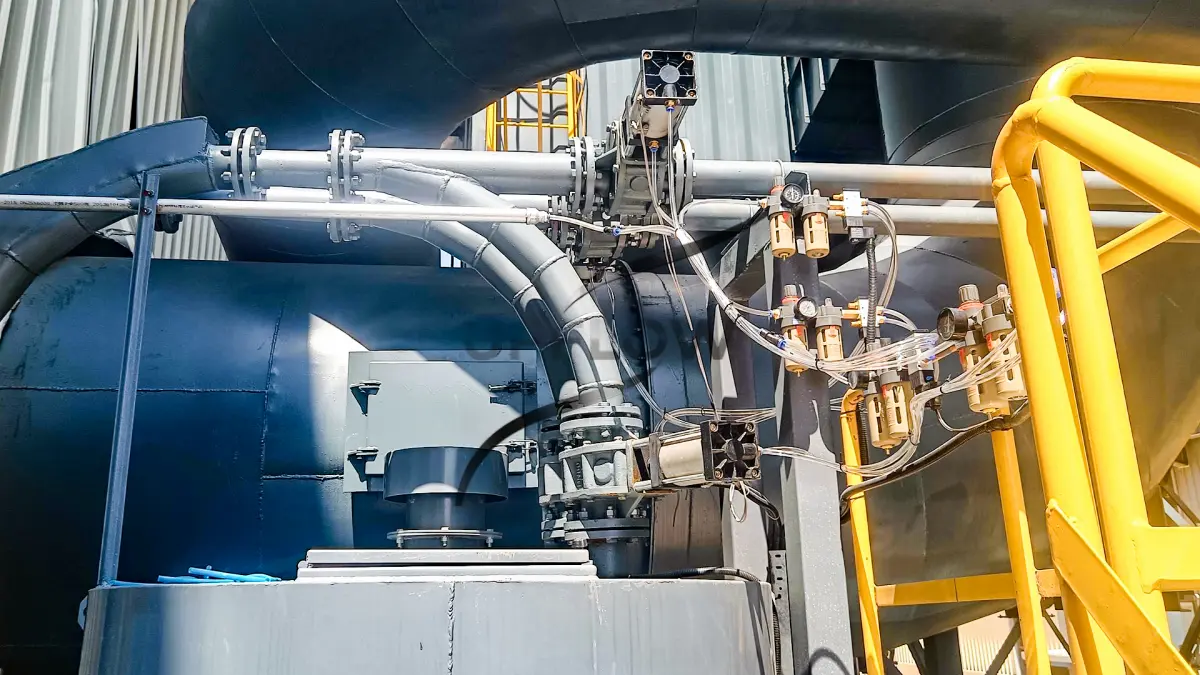
Understanding the cost of a pneumatic conveying system in 2026 is essential for manufacturers planning to upgrade their production lines, because this type of material conveying system is no longer just optional equipment but a core part of modern automated factories. While many buyers expect a simple price range, the reality is that the cost varies widely depending on system design, material characteristics, conveying distance, and automation level, which means that two seemingly similar systems can have completely different price structures and long-term operating costs.
In general, a small pneumatic conveying system such as a basic vacuum feeder or short-distance powder conveying system may cost between USD 5,000 and USD 20,000, while medium-sized industrial systems typically range from USD 20,000 to USD 80,000 depending on capacity and configuration. For large-scale, fully automated solutions such as a central conveying system or a long-distance positive pressure conveying system, the total investment can exceed USD 100,000 or even reach USD 200,000+, especially when advanced control systems and customized engineering are involved.
One of the most important factors affecting the cost of a pneumatic conveying system is system type, as different conveying methods have different design requirements and performance characteristics. For example, a vacuum conveying system, also known as a negative pressure conveying system, is usually more cost-effective for short to medium distances and applications requiring dust-free operation, while a high pressure conveying system is better suited for long-distance conveying and high-capacity production, although it requires higher initial investment due to stronger air supply systems and more complex engineering.
Material characteristics also play a decisive role in determining system cost, because different materials require different design approaches within a material conveying system. Free-flowing granules such as plastic pellets can be handled with relatively simple configurations, while fine powders, sticky materials, or abrasive substances often require specialized solutions such as wear-resistant pipelines, anti-blockage design, or dust control systems, all of which increase the complexity and cost of the powder conveying system.
Another key cost driver is conveying distance and plant layout, as longer distances and more complex routing require additional pipelines, higher power air systems, and more advanced design to maintain stable material flow. In large factories, especially those using central conveying systems or multi-point feeding setups, the need for optimized pipeline routing and system integration can significantly increase both engineering cost and installation cost, but it also improves overall efficiency and scalability.
Automation level is also an important consideration when estimating the cost of a pneumatic conveying system, because adding PLC control, sensors, and centralized monitoring transforms a basic conveying system into a fully integrated material automation system. Although this increases the initial investment, it reduces labor costs, improves production consistency, and enables real-time monitoring, making it a cost-effective solution in the long term for manufacturers seeking higher efficiency and lower operational risk.
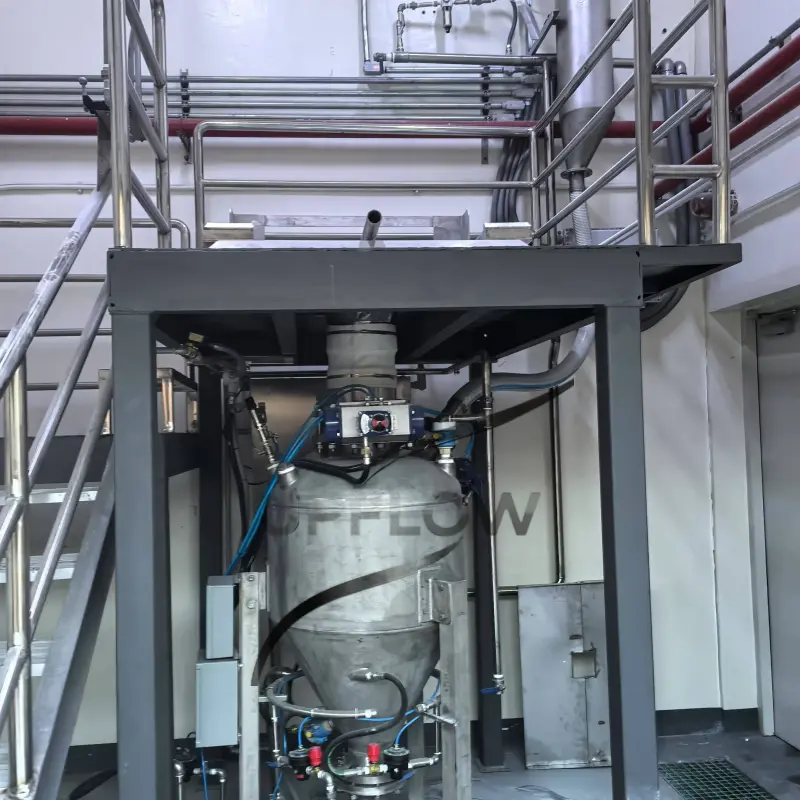
In addition to visible costs such as equipment and installation, buyers should also consider hidden costs associated with operating a pneumatic conveying system, including energy consumption, maintenance, spare parts, and potential downtime. Systems that are poorly designed or incorrectly selected often consume more energy, require frequent maintenance, and cause production interruptions, which means that the cheapest system at the beginning can become the most expensive option over time.
From a long-term perspective, the total cost of ownership is far more important than the initial purchase price, because a well-designed pneumatic conveying system can reduce energy consumption by 20–30%, lower maintenance costs, and ensure stable operation for years. This is why experienced buyers focus on engineering design, supplier capability, and system optimization rather than simply comparing quotations, as these factors have a much greater impact on overall investment value.
Ultimately, the cost of a pneumatic conveying system in 2026 should be evaluated based on a combination of system type, material requirements, conveying distance, and automation level, rather than a fixed price range. Whether you are considering a vacuum conveying system, a positive pressure conveying system, or a fully integrated central conveying system, the most cost-effective solution is always the one that is properly designed for your specific application, ensuring efficient, reliable, and scalable material handling.
If you are planning a project and want an accurate quotation, the best approach is to provide detailed information such as material type, capacity, conveying distance, and plant layout, so that engineers can design a customized pneumatic conveying system that balances performance and cost. A properly designed system not only meets your current production needs but also supports future expansion, helping you achieve long-term efficiency and profitability.