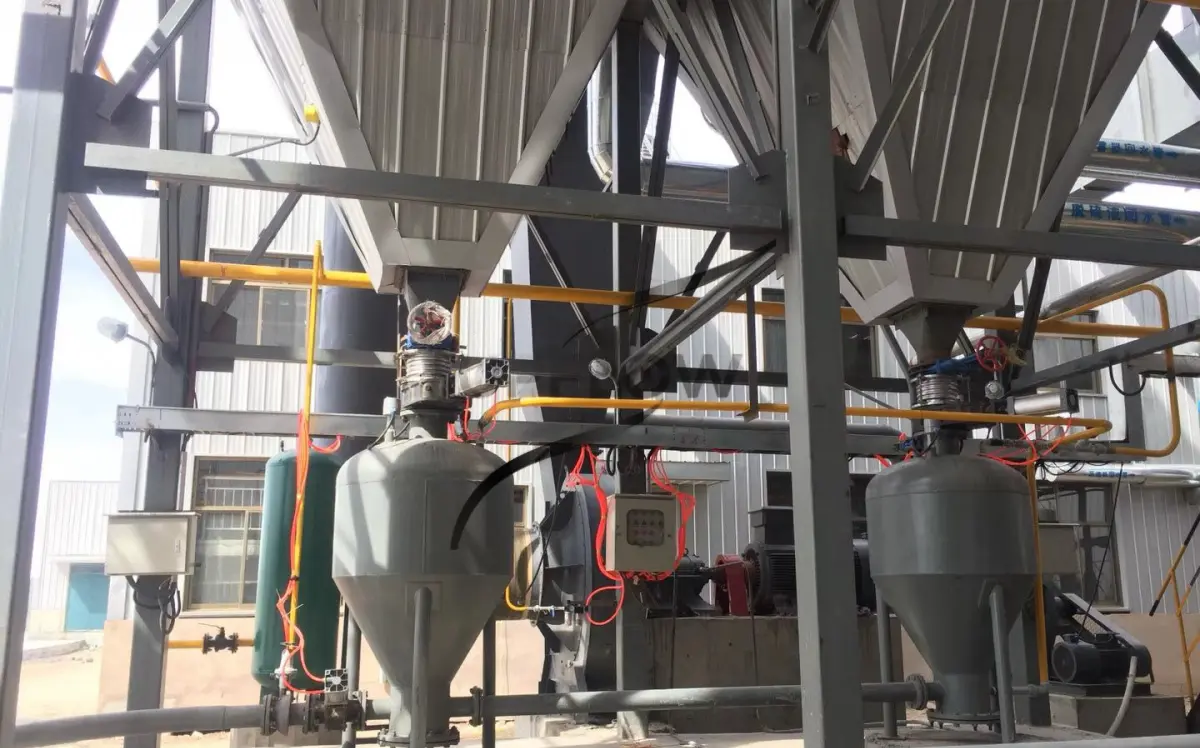
A turnkey pneumatic conveying system has become one of the most effective solutions for industrial plants aiming to improve automation, reduce labor costs, and achieve stable production, and within these systems, the positive pressure conveying system is widely used for long-distance and high-capacity material transport. As industries such as chemicals, food, pharmaceuticals, and plastics continue to upgrade their production processes, more companies are investing in integrated material conveying systems that combine conveying, feeding, and control into a single solution, ensuring efficient and dust-free material handling across the entire plant.
Unlike standalone equipment, a turnkey system is delivered by a single supplier and includes engineering design, equipment manufacturing, installation, and commissioning, which significantly reduces project risk and ensures system compatibility. In practice, different conveying technologies can be applied within the system, including vacuum conveying systems for short-distance and hygienic applications, negative pressure conveying systems for clean environments, and high pressure conveying systems for long-distance transport, allowing the solution to be tailored to specific production requirements.
From a cost perspective, the investment in a turnkey positive pressure conveying system depends on multiple factors such as system scale, conveying distance, automation level, and material characteristics, with smaller systems typically ranging from USD 20,000 to USD 50,000 and large fully integrated solutions exceeding USD 150,000. However, the initial cost is only part of the equation, as the total cost of ownership also includes energy consumption, maintenance, and operational efficiency, making it essential to evaluate both short-term investment and long-term performance.
Material characteristics are one of the most important cost drivers, as different materials require different system configurations within a powder conveying system or granular conveying system, especially when dealing with abrasive, fragile, or moisture-sensitive materials. For example, abrasive materials may require wear-resistant pipelines and reinforced components, while fragile materials often need low-velocity dense phase conveying to prevent degradation, and these design adjustments increase initial cost but significantly improve reliability and product quality.
Another major factor influencing cost and ROI is conveying distance and system layout, as longer distances require more powerful air supply systems and optimized pipeline design, which increases equipment and installation costs. In large industrial plants, integrating a central conveying system allows materials to be distributed efficiently to multiple production lines, reducing manual handling and improving overall plant efficiency, although it also increases system complexity and investment.
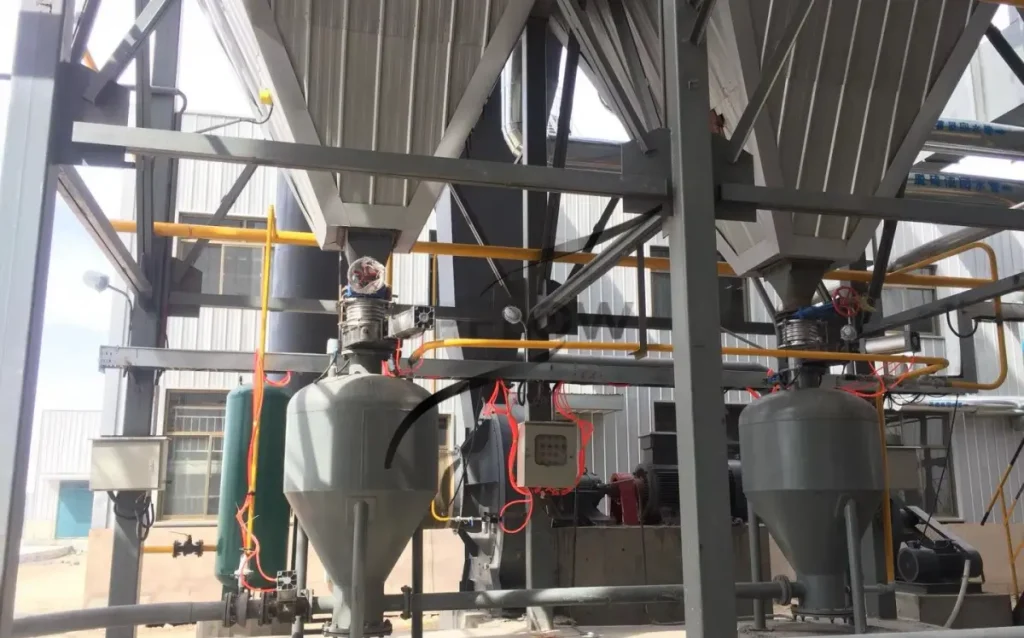
System design plays a decisive role in determining both cost and return on investment, as a well-engineered enclosed conveying system can reduce dust emissions, minimize material loss, and improve operational safety, which is especially important in industries with strict environmental and hygiene requirements. By optimizing pipeline routing, airflow control, and feeding systems, a pneumatic conveying system can achieve stable performance while reducing energy consumption and maintenance costs over time.
When analyzing ROI, it is important to consider factors such as labor cost reduction, production efficiency improvement, and material savings, as automation can reduce manual labor by up to 50% while increasing production efficiency by 20–40%. In addition, a well-designed system reduces downtime and maintenance frequency, allowing most industrial plants to achieve a return on investment within one to three years, making the positive pressure conveying system a highly cost-effective solution in the long term.
To maximize ROI, companies should focus on optimizing system design rather than simply reducing initial cost, as selecting the right conveying method, balancing automation level, and ensuring proper material handling can significantly improve system performance. In some cases, combining technologies such as low pressure conveying systems for short sections and high pressure conveying systems for long-distance transport can create a more efficient and cost-effective solution, especially in complex plant layouts.
Supplier selection is equally critical, as a reliable supplier with strong engineering capability can provide customized design, accurate calculations, and full project support, ensuring that the turnkey system operates efficiently and reliably. Choosing an experienced supplier who can deliver integrated solutions, rather than assembling components from multiple sources, helps reduce project risk, improve system performance, and lower long-term operational costs.
Overall, a turnkey positive pressure conveying system should be evaluated based on its total lifecycle value rather than just initial investment, as the most effective solution is one that delivers stable operation, energy efficiency, and long-term reliability. By carefully considering cost factors, system design, and supplier capability, manufacturers can implement a solution that not only meets current production needs but also supports future expansion and continuous improvement in industrial operations.