
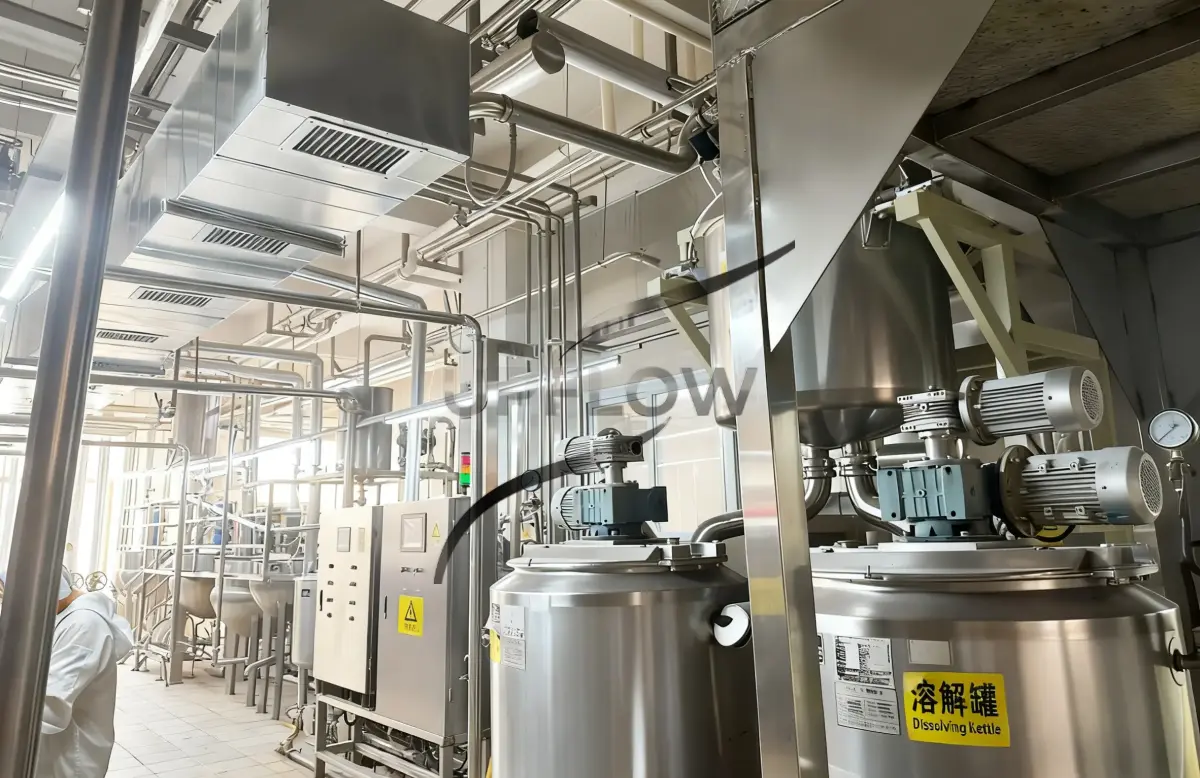
A vacuum conveying system cost guide is often misunderstood because many buyers focus only on the initial quotation, while in reality the total cost of a vacuum conveying system, which is also a typical form of negative pressure conveying system within a broader pneumatic conveying system, includes not only equipment price but also system design, material characteristics, installation complexity, and long-term operating expenses, meaning that understanding the full cost structure is essential to avoid overpaying or investing in an underperforming system.
In today’s market, the price of a vacuum conveying system can vary significantly, ranging from small vacuum feeder units to large turnkey solutions, and this wide range exists because a pneumatic conveying system is not a standardized product but a customized engineering solution, where differences in system configuration, component quality, and engineering level directly affect both initial investment and long-term performance.
One of the main reasons for price variation is system design, as some suppliers may offer a simple vacuum conveying system with basic functionality, while others provide a fully integrated pneumatic conveying system including feeding, filtration, and control systems, and this difference in scope often explains why two quotations for similar requirements can vary greatly, making it important to compare system design rather than just price.
When analyzing cost, it is helpful to break it down into key components, including core equipment such as vacuum pumps, filters, receivers, and pipelines, as well as engineering design, installation, automation, and long-term maintenance, and among these factors, engineering design plays a critical role because a well-designed negative pressure conveying system can reduce energy consumption, improve system stability, and minimize maintenance cost over time.
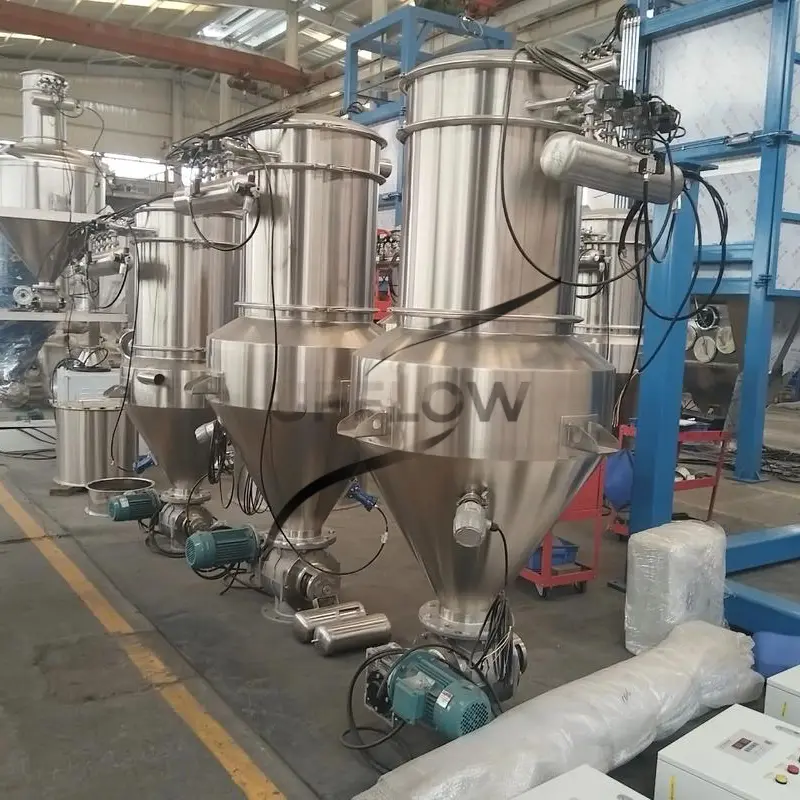
Hidden costs are another important consideration, as poorly designed conveying systems often lead to higher energy consumption, pipeline pressure loss, and frequent blockage, which can result in production downtime and increased maintenance expenses, and in many cases these hidden costs can exceed the initial equipment price, especially in long-term operation of a pneumatic conveying system.
Energy consumption is one of the largest contributors to total cost, since a vacuum conveying system relies on continuous operation of vacuum pumps or blowers, and even a small inefficiency in system design can lead to significantly higher electricity costs over time, while optimized systems with proper airflow calculation and pipeline design can reduce energy consumption and deliver substantial savings throughout the system lifecycle.
Several factors have a direct impact on system cost, including material characteristics, conveying distance, system capacity, number of feeding points, and industry requirements, as different materials such as powders, granules, or sticky substances require different pneumatic conveying system designs, while longer distances and higher capacities increase equipment size and energy demand, making proper system selection critical for cost control.
Among all influencing factors, material handling complexity is often the most significant, as simple materials such as plastic pellets require only basic vacuum conveying systems, while more challenging materials such as fine powders or hazardous chemicals require advanced designs including dust control, anti-blockage measures, or explosion-proof features, which significantly increase system cost but are necessary for safe and stable operation.
Comparing low-cost systems with optimized solutions clearly shows the difference in long-term value, as cheaper systems often use standard designs with minimal engineering, leading to higher energy consumption, frequent maintenance, and shorter lifespan, while optimized pneumatic conveying systems with customized design offer stable operation, lower operating cost, and better efficiency, making them more economical over time.
In practical applications, cost optimization is achieved through proper system design rather than price negotiation, as defining accurate requirements, optimizing pipeline layout, selecting the correct conveying method, and working with engineering-focused suppliers can significantly reduce both initial investment and long-term operating cost, especially when choosing between different types of systems such as vacuum conveying systems and positive pressure conveying solutions.
It is also important to recognize that a vacuum conveying system, as a type of negative pressure conveying system, is not always the best choice for every application, particularly in cases involving very long conveying distances, extremely high capacity, or heavy bulk materials, where alternative solutions such as positive pressure conveying or mechanical conveying systems may provide better performance and lower cost.
Overall, the real cost of a vacuum conveying system should be evaluated based on total cost of ownership rather than initial purchase price, taking into account equipment, energy consumption, maintenance, and downtime, because the most cost-effective system is not the cheapest one at the beginning but the one that delivers reliable performance and long-term savings throughout its lifecycle.