If you are looking for ways to reduce powder pneumatic conveying system cost by 30%, it is important to understand that real savings do not come from negotiating lower equipment prices, but from smarter system design, engineering optimization, and long-term operational efficiency. Many industrial buyers focus on upfront cost, but the biggest cost reductions actually come from making the right decisions during system design and selection, which directly impact performance, energy consumption, and maintenance over time.
In many cases, conveying systems are overpriced or inefficient because of common design issues such as oversized equipment, poor pipeline layout, excessive energy consumption, or unnecessary automation. These problems can increase total system cost by 20–40%, which means that optimizing system design is the most effective way to reduce cost while maintaining stable and reliable operation.
One of the most important strategies is to optimize system design based on actual production requirements, as many systems are designed with excessive safety margins that lead to larger equipment, higher investment, and unnecessary energy consumption. By matching system capacity to real needs and using accurate material data, companies can reduce system cost by 10–20% without affecting performance.
Material testing is another critical but often overlooked step in reducing positive pressure conveying system cost, because different materials behave very differently during conveying, especially when dealing with fine powders, granules, or sticky materials. Without proper testing, systems are often overdesigned or incorrectly configured, while conducting material tests allows for accurate system sizing, optimized airflow, and reduced risk, typically lowering system cost by 10–15%.
Selecting the right conveying method is equally important, as using dense phase conveying for simple materials or dilute phase conveying for fragile products can lead to wasted energy, higher maintenance, and inefficient operation. By choosing the appropriate method based on conveying distance and material characteristics, companies can significantly reduce both energy and maintenance costs while improving system performance.
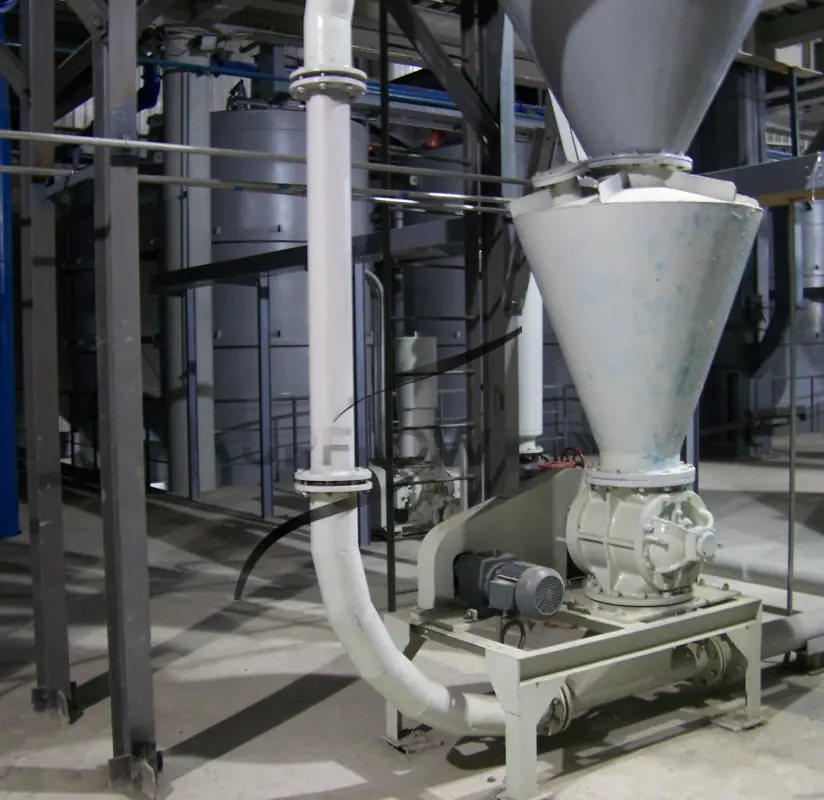
Pipeline design also has a major impact on system cost and efficiency, as excessive bends, long routing paths, or poor layout increase pressure loss and energy consumption, while optimized pipeline routing with fewer elbows and shorter distances can reduce installation cost and operating cost by 10–15%. In many projects, simple layout optimization alone can bring significant cost savings without changing core equipment.
Another effective strategy is to optimize pipe material and wear protection, since using high-end materials such as stainless steel throughout the entire system often leads to unnecessary cost increases, while a smarter approach is to use wear-resistant materials only in high-wear areas such as elbows and standard materials in straight pipelines. This targeted material selection can reduce overall system cost by 10–20% while maintaining durability.
Energy efficiency is a key factor in long-term cost reduction, as energy consumption often exceeds the initial equipment cost over the lifecycle of a closed conveying system, and by optimizing pipe diameter, airflow, and selecting efficient vacuum pumps or blowers, companies can significantly reduce electricity consumption and operating cost. In many cases, energy savings alone can exceed the savings achieved during initial equipment purchase.
Air supply systems, especially compressors or vacuum units, are among the most energy-intensive components, and oversized or continuously running systems lead to unnecessary energy waste. By using variable frequency drives and matching air supply to actual demand, companies can reduce energy consumption by 15–25% annually, making air system optimization one of the fastest ways to achieve return on investment.
Automation level should also be carefully balanced, as excessive automation increases initial investment and system complexity, while insufficient automation results in manual inefficiency and inconsistent operation. The most effective approach is to implement only the necessary level of automation that supports production needs while keeping the system simple, cost-effective, and easy to maintain.
Modular system design is another important factor in reducing long-term cost, as many buyers focus only on current production requirements and ignore future expansion, which can lead to expensive system upgrades or redesign. A modular design allows easy expansion by adding new conveying lines or components, reducing future upgrade costs by more than 30% and minimizing long-term investment risk.
Choosing the right supplier is one of the most critical decisions in controlling system cost, because low-cost suppliers often lack engineering capability, resulting in poor system performance, frequent failures, and high maintenance costs. In contrast, an engineering-driven supplier can optimize system design, reduce operating costs, and ensure long-term stability, making them a more cost-effective choice despite a potentially higher initial price.
Real project cases clearly show that system optimization can lead to significant cost reduction, as redesigning pipeline layout, airflow parameters, and equipment sizing can reduce total system cost by up to 30% while improving stability and reducing maintenance. In many cases, simplifying system design and eliminating unnecessary complexity is one of the most powerful ways to reduce both investment and operational costs.
Overall, reducing pneumatic conveying system cost is not about cutting corners or choosing cheaper equipment, but about applying a systematic approach that combines design optimization, engineering improvements, and smart procurement strategies. Companies that focus on total cost of ownership, energy efficiency, and long-term performance will achieve the best results, while those that focus only on initial price often end up paying more in the long run.