When evaluating a pneumatic conveying system, many buyers tend to focus only on price or basic specifications, but in reality, this often leads to costly problems such as system instability, high energy consumption, frequent blockage, and unexpected maintenance, because most issues are not caused by the equipment itself but by incorrect decisions made during the selection and design stage, which ultimately results in higher total cost and reduced production efficiency.
One of the most common mistakes is choosing a system based solely on the lowest quotation, as a cheaper system often comes with poor design, unreliable performance, and higher maintenance requirements, meaning that what initially appears to be a cost-saving decision can quickly become the most expensive option when considering total cost of ownership, system reliability, and long-term operational stability.
Another critical mistake is ignoring material characteristics, since different materials such as fine powders, abrasive substances, or hygroscopic products require completely different system designs, and without accurate data such as bulk density, particle size, flowability, and moisture content, it is impossible to design a suitable pneumatic conveying system, which may result in blockage, excessive wear, or unstable conveying performance.
In addition, many buyers fail to provide complete technical data during the inquiry stage, often only sharing basic information such as material name and capacity, which leads to incorrect system sizing, either oversized or undersized equipment, and ultimately poor system performance, while incomplete data can even increase total system cost by 10–25%, highlighting the importance of accurate input for achieving optimized system design.
Choosing the wrong conveying method is also a frequent issue, as some buyers select dense phase or dilute phase conveying without understanding their differences, resulting in inefficient operation, excessive energy consumption, or even material degradation, whereas selecting the correct method based on application requirements, such as dilute phase for general short-distance conveying or dense phase for fragile materials and long distances, is essential for achieving optimal performance.
Conveying distance and plant layout are often underestimated, even though they directly affect system pressure requirements, equipment size, and energy consumption, and a system designed for a short distance may become highly inefficient or unstable when applied to longer distances, which can increase costs by 20–40% if not properly considered during the design phase.
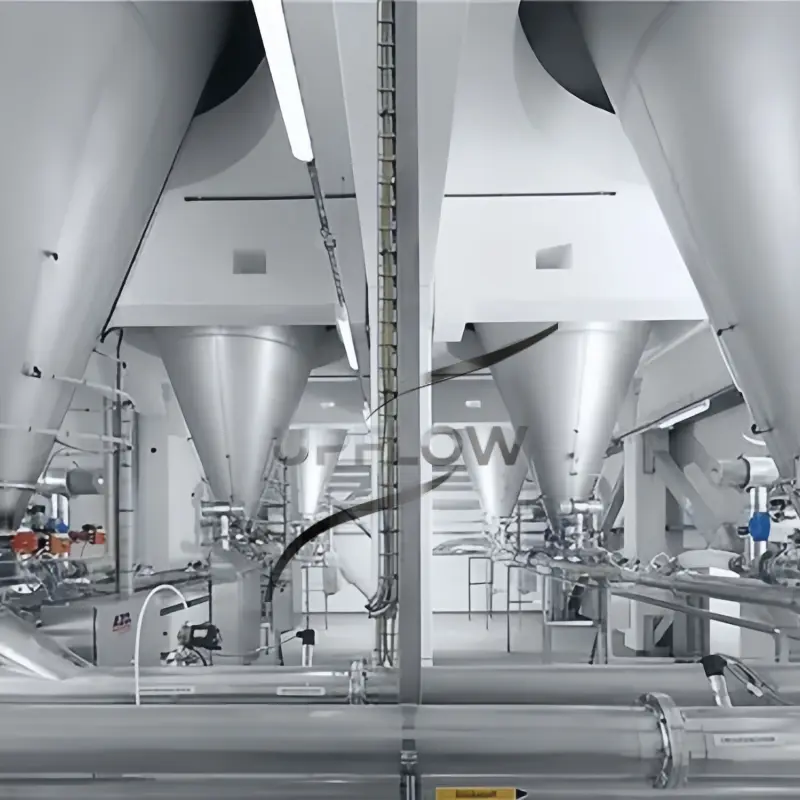
Pipeline design is another key factor that is frequently overlooked, as improper routing, excessive bends, or incorrect pipe diameter can lead to pressure loss, higher energy consumption, and increased risk of blockage, while optimized pipeline design ensures smooth material flow and reduces both operational costs and maintenance frequency.
Dust control requirements are also often underestimated, especially in industries such as food, pharmaceuticals, and chemicals, where poor dust management can result in product contamination, material loss, workplace safety risks, and even explosion hazards, making it essential to adopt sealed conveying systems combined with filtration and dust collection solutions to ensure compliance and safe operation.
Another important consideration is energy consumption, as many buyers focus only on initial equipment cost without realizing that long-term energy costs can exceed the purchase price, and by optimizing airflow, selecting efficient blowers or vacuum pumps, and implementing intelligent control strategies, companies can significantly reduce operating expenses over time.
Automation level is another area where mistakes are common, as excessive automation can increase investment costs unnecessarily while insufficient automation leads to labor inefficiency and inconsistent operation, so it is important to balance functionality, cost, and actual production requirements to achieve the most practical solution.
Many systems also fail to consider scalability, as they are designed only for current production needs without allowing for future expansion, which can result in costly system upgrades or complete redesign, while a modular and scalable design enables companies to expand capacity easily and reduce long-term investment risk.
Supplier selection plays a decisive role in system success, yet some buyers choose suppliers based only on price or marketing claims, leading to poor system performance, lack of technical support, and project delays, whereas a reliable supplier should provide not only equipment but also engineering capability, system design expertise, and proven project experience to ensure successful implementation.
Similarly, ignoring supplier engineering capability can result in poor system integration and unstable operation, since conveying systems are not standalone equipment but part of a complete process that includes feeding, batching, and packaging, and only suppliers with strong engineering support can deliver optimized and fully integrated solutions.
Maintenance requirements and lifecycle costs are also frequently overlooked, as buyers tend to focus only on initial purchase price while ignoring long-term costs such as spare parts, wear components, downtime, and maintenance frequency, even though these factors can exceed the original equipment cost over time, making it essential to evaluate the entire lifecycle rather than just upfront investment.
Real project cases clearly demonstrate that incorrect system selection or poor design can lead to high maintenance, frequent downtime, and increased operational costs, while optimized systems with proper conveying methods, pipeline design, and airflow control can significantly improve efficiency, reduce costs, and stabilize production, proving that correcting mistakes after installation is often more expensive than making the right decision from the beginning.
Overall, investing in a pneumatic conveying system is not simply about purchasing equipment but about making a long-term strategic decision, and by focusing on total cost of ownership, working with experienced suppliers, and prioritizing system design and engineering, companies can avoid costly mistakes, improve system reliability, and achieve higher efficiency and profitability in the long run.