
Introduction
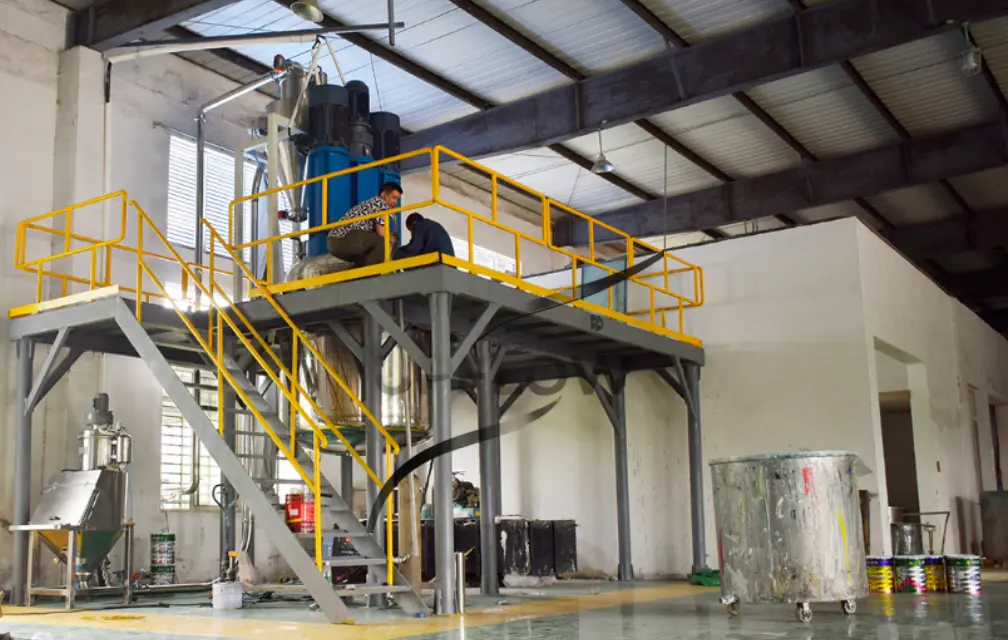
Pneumatic Conveying Systems for Pigments are automated systems that use air or gas as power to transport powdered or granular pigments in closed pipelines. Widely used in the coatings, paints, pigments, and chemical industries, these systems effectively replace manual handling, enabling continuous, closed-loop conveying, improving production efficiency, and enhancing the working environment. Compared to traditional conveying methods, pneumatic conveying systems for pigments offer significant advantages in reducing dust, minimizing losses, and achieving automated control.
Pigment Material Characteristics
Pigments are solid coloring materials widely used in coatings, paints, plastics, inks, and chemical industries. They can be classified into inorganic pigments (such as iron oxide, titanium dioxide, and carbon black) and organic pigments (such as azo and phthalocyanine pigments). Pigments typically exist in powder or ultrafine powder form, characterized by small particle size, easy dust generation, and strong adhesion to equipment surfaces. The bulk density of pigments varies depending on type, typically ranging from 0.3 to 1.2 t/m³, while some heavy inorganic pigments may reach higher densities.
Inorganic pigments often require strict closed conveying and pollution control, while organic pigments are usually lighter and finer, making them more prone to dust during feeding and transfer. In high-humidity environments, some pigments may absorb moisture, leading to clumping, bridging, or blockage, which affects continuous conveying. In addition, fine powders may be cohesive or poorly flowable, and some materials such as carbon black can easily disperse into the air, causing contamination and material loss. High conveying velocity may also result in particle degradation or equipment wear.
Due to these characteristics, pigment closed conveying equipment can achieve more reliable handling through enclosed pipelines, stable airflow, and automatic control. Therefore, when designing a pigment pneumatic conveying system, it is important to ensure enclosed conveying, stable feeding, proper airflow control, and effective dust collection to maintain product quality and environmental safety.
Cost Savings
Traditional pigment conveying methods rely on manual handling, which is not only inefficient but also prone to material waste. Using a pigment powder conveying system enables automated conveying, reducing manual intervention and lowering labor costs. Simultaneously, closed conveying reduces dust leakage and material loss, further reducing production costs.
Improved Production Efficiency
Pigment pneumatic conveying systems enable continuous conveying, avoiding the interruptions caused by manual operation. By controlling airflow and conveying volume, stable material supply can be maintained, ensuring consistent production rhythm and improving overall production efficiency. Furthermore, this system is easily integrated with batching and mixing equipment to achieve automated production.
Improved Material Quality
Conveying pigments in closed pipelines effectively prevents contact with the external environment, reducing contamination and moisture absorption, thus ensuring the purity and stability of the pigments. For products with high quality requirements, pneumatic conveying systems can better maintain their performance and consistency.
Improved Safety
The production and conveying of pigment powders often involve risks such as dust diffusion, manual handling, and equipment contact. Long-term manual handling and feeding are not only labor-intensive but also prone to accidents due to misoperation, slips, and dust inhalation, compromising operational safety. With a pigment pneumatic conveying system, the conveying process is automated, significantly reducing the chance of direct contact between operators and materials, thus lowering potential safety risks.
Meanwhile, modern powder conveying systems are typically equipped with PLC control, pressure monitoring, material level detection, and operational alarms, allowing for real-time monitoring of the conveying process. In case of blockages, abnormal pressure, or operational fluctuations, the system can issue timely warnings for rapid response, improving overall operational controllability. For some special chemical pigments or workshop environments with high dust control requirements, using closed-loop pneumatic conveying equipment also helps establish safer and more standardized production conditions.
Reduced Environmental Pollution
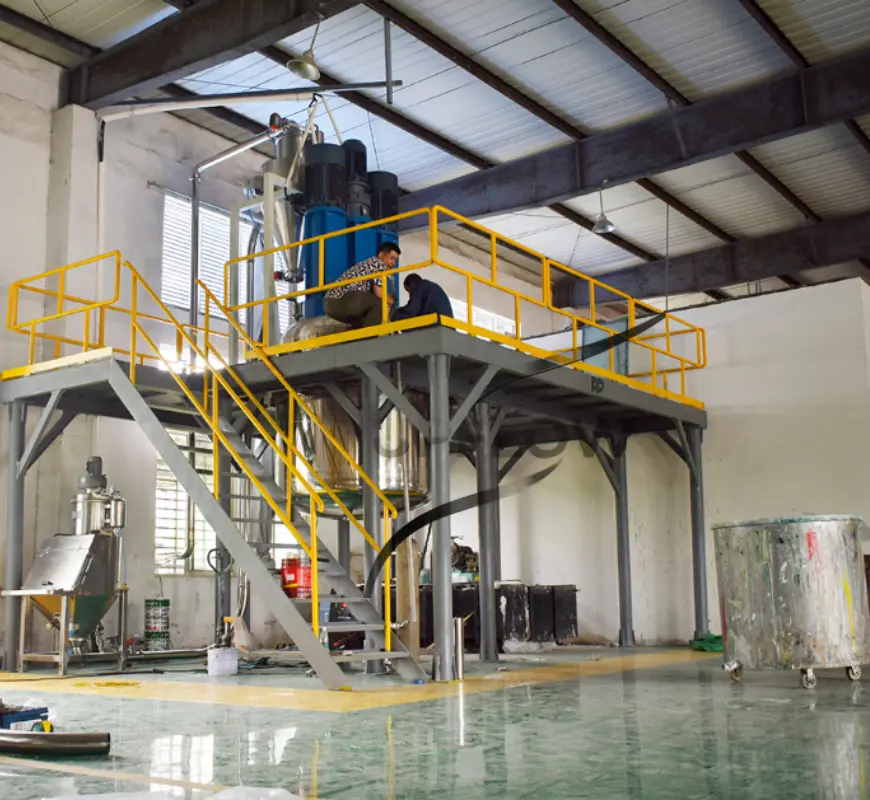
Pigment pneumatic conveying systems, through closed pipelines, significantly reduce dust leakage, effectively improving the workshop environment. Besides reducing dust pollution, closed-loop conveying also helps reduce material leakage and waste, preventing pigments from entering the surrounding environment and affecting the cleanliness of equipment, floors, and other process areas.
Conclusion
the application value of pigment pneumatic conveying systems in the pigment, coating, paint, and related chemical industries is becoming increasingly prominent. It not only helps companies save labor and material costs but also improves production efficiency, ensures material quality, improves on-site safety, and effectively reduces environmental pollution. For companies needing to build modern, automated powder processing production lines, choosing a suitable pigment powder conveying system is a crucial step in enhancing technological capabilities and production competitiveness.