
Introduction
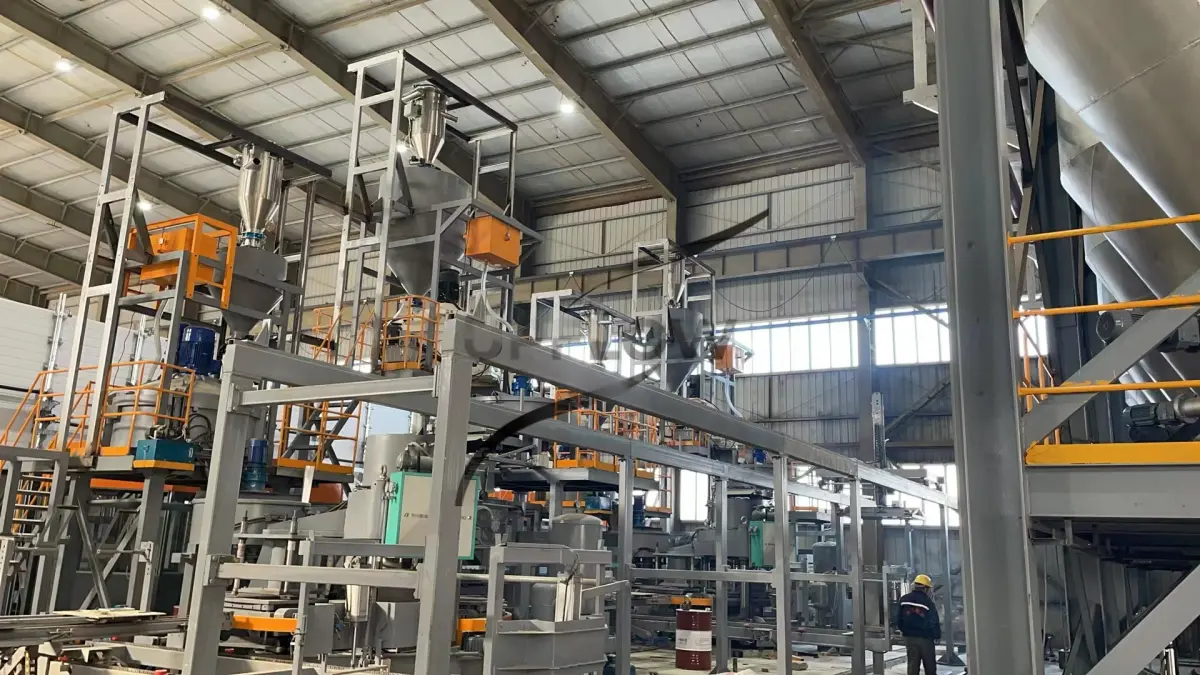
A urea pneumatic conveying system is an efficient material handling solution that uses compressed air or gas flow to transfer bulk materials from one point to another through enclosed pipelines. This type of urea conveying system is widely used in industries such as fertilizer production, chemical processing, power plants, building materials, and metallurgy. Compared with traditional conveying methods, a pneumatic conveying system for urea provides closed, dust-free transport, reduces material contamination, and improves overall production efficiency. With its reliable operation and flexible configuration, it has become a preferred solution for modern powder handling systems.
Urea Material Characteristics
Urea (chemical formula: CO(NH₂)₂), also known as carbamide, is a widely used nitrogen-based material in fertilizer and chemical industries, typically handled in granular or prilled form, and sometimes as fine powder after processing. It has a typical bulk density of around 0.72–0.85 t/m³ depending on its form. Urea shows good flowability under dry conditions, but it is also highly hygroscopic, meaning it can absorb moisture from the air and become sticky or form lumps.
This can lead to issues such as material buildup, blockage in pipelines, and unstable feeding during conveying. In addition, urea particles may degrade or break under high conveying velocity, generating fines and dust.
Therefore, when designing a urea pneumatic conveying system, it is important to consider factors such as moisture control, gentle conveying conditions, and stable feeding to ensure reliable operation and maintain product quality.
Overview of Urea Pneumatic Conveying System
A urea pneumatic conveying system is a complete material handling system that uses airflow as the conveying medium to transport granular or powder materials through pipelines. During operation, compressed air or other gases generate a controlled airflow that suspends or pushes the material along the pipeline. This urea powder conveying system can also support auxiliary processes such as heating, cooling, drying, or dust removal, making it suitable for integrated industrial production lines.
Because the system operates in a closed environment, it helps reduce dust emissions and minimizes the risk of moisture absorption or contamination, ensuring stable material quality during conveying.
Key Features of Urea Pneumatic Conveying System
The urea pneumatic conveying system offers several important advantages for industrial applications. It is energy-efficient, easy to install, and has a relatively low failure rate, making it suitable for continuous operation. The system supports both continuous and batch conveying modes, as well as multi-point feeding and multi-point discharge, providing flexibility for different production layouts.
In addition, this urea handling system can handle large conveying capacities over long distances while maintaining stable performance. The enclosed conveying process effectively prevents material from absorbing moisture, becoming contaminated, or mixing with impurities. At the same time, it can integrate additional process functions such as classification, dust removal, and mixing, making it a versatile powder conveying solution for urea.
Working Principle
The working principle of a urea pneumatic conveying system is based on air dynamics. Compressed air or gas creates a high-speed airflow that carries material particles through the pipeline. The material is fed into the system through a feeding device, where it mixes with the airflow and is transported to the destination.
At the receiving end, the material is separated from the air using a cyclone separator or filtration system. The system supports both continuous and intermittent operation and allows single-point or multi-point discharge. Since the entire conveying process takes place in a closed pipeline, it significantly reduces environmental pollution and improves operational safety.
Functional Advantages
The urea pneumatic conveying system provides several functional benefits:
1.Simple Structure
The system design is straightforward, making it easy to operate and maintain.
2.High Conveying Quality
The enclosed system prevents moisture absorption and contamination, ensuring stable material quality.
3.Energy Saving and Environmental Protection
It reduces material loss, dust emissions, and noise, contributing to cleaner production.
4.High Automation Level
With PLC control, sensors, and actuators, the system can achieve automatic monitoring and adjustment, reducing labor costs.
5.Flexible Conveying Layout
This urea transfer system supports multi-point to multi-point conveying, improving production flexibility.
Structural Components
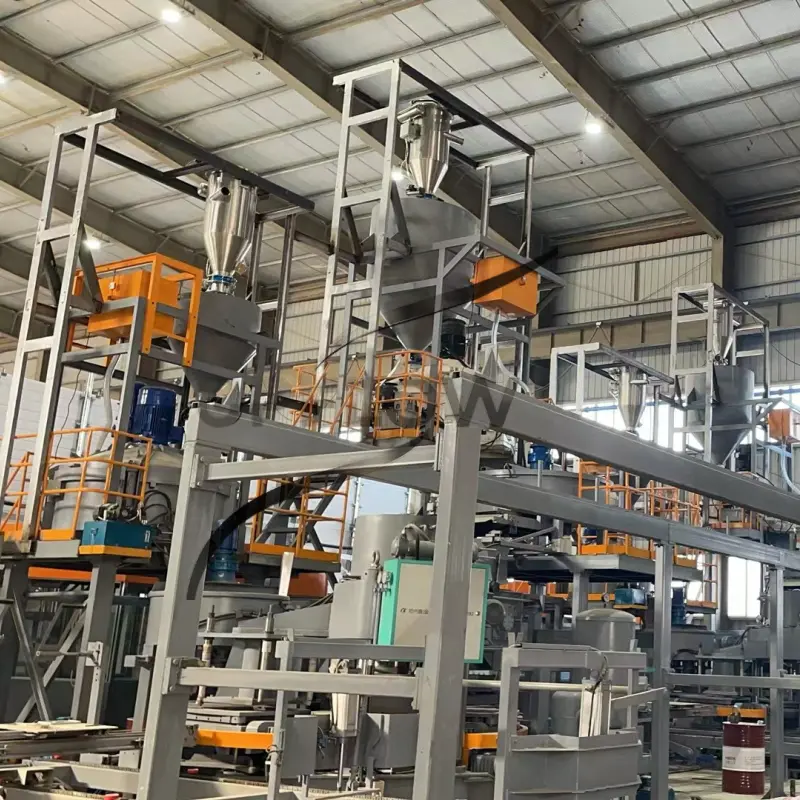
A typical urea pneumatic conveying system consists of several key components:
Control System
The control system acts as the “brain” of the system. It monitors and regulates parameters such as airflow velocity, feeding rate, and system pressure to ensure stable operation.
Pipeline System
The pipeline serves as the transport channel for material and airflow. It is usually made of wear-resistant and corrosion-resistant materials to ensure durability. The pipeline layout, diameter, and length are designed based on conveying capacity and material properties.
Feeding Device
The feeding unit ensures stable and continuous material supply into the pipeline. Common equipment includes screw conveyors. The selection of feeding devices depends on material characteristics and conveying requirements.
Dust Collection System
Dust collectors or filters are used to separate material from air and maintain environmental cleanliness.
Conclusion
A urea pneumatic conveying system is a reliable, efficient, and environmentally friendly solution for bulk material handling. By enabling enclosed conveying, reducing dust emissions, and supporting automation, it helps improve production efficiency and ensure product quality. Whether used in fertilizer plants or chemical industries, a well-designed urea conveying system can deliver stable performance and long-term operational benefits.