
Introduction
A silicon carbide pneumatic conveying system is widely used for transporting abrasive powder and granular materials through enclosed pipelines using airflow as the driving force, and it plays an important role in industries such as chemicals, ceramics, energy, and advanced materials where efficient, dust-free, and automated conveying is required. Compared with traditional conveying methods, this type of pneumatic conveying system can significantly improve production efficiency while reducing dust emissions and material loss.
Silicon Carbide Material Characteristics
Silicon carbide (chemical formula: SiC), also known as carborundum, is a high-performance material with extremely high hardness, high thermal conductivity, excellent chemical stability, and strong wear resistance, making it widely used in electronics, machinery, and high-temperature applications. It is typically handled as powder or granules, with a bulk density of approximately 1.2–1.6 t/m³ depending on particle size and processing method.
Due to its high hardness and abrasive nature, silicon carbide can cause wear on conveying equipment, while its fine particles may generate dust during handling, and although it generally has good flowability, improper system design may still lead to material accumulation or pipeline wear. Therefore, selecting a well-designed silicon carbide pneumatic conveying system is essential to ensure stable conveying and long equipment life.
Common Conveying Methods for Silicon Carbide
Silicon carbide can be transported using both mechanical conveying and pneumatic conveying systems, and the choice depends on conveying distance, capacity, and process requirements. Mechanical conveying methods such as screw conveyors are suitable for short-distance or simple layouts, while pneumatic conveying, also known as a air conveying system, uses airflow to move materials through enclosed pipelines and is more suitable for long-distance and dust-sensitive applications.
Can Silicon Carbide Be Conveyed Pneumatically?
Silicon carbide is suitable for pneumatic conveying due to its relatively stable flowability and particle characteristics, but its abrasive nature requires careful equipment selection. A silicon carbide pneumatic conveying system uses compressed air or vacuum to transport materials and can operate under low-pressure conveying, positive pressure, or negative pressure modes, and in most cases, dilute phase conveying is adopted to balance efficiency and equipment wear.
Silicon Carbide Pneumatic Conveying System
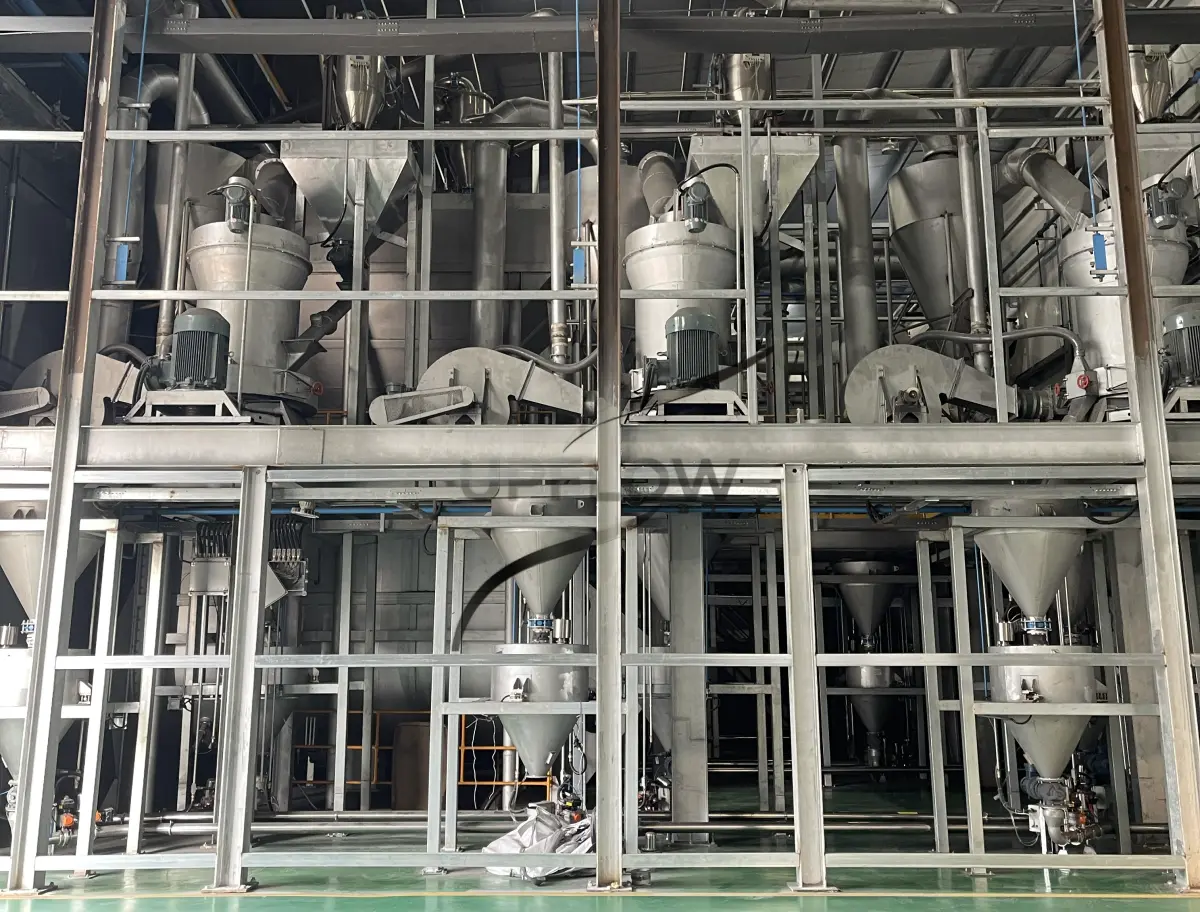
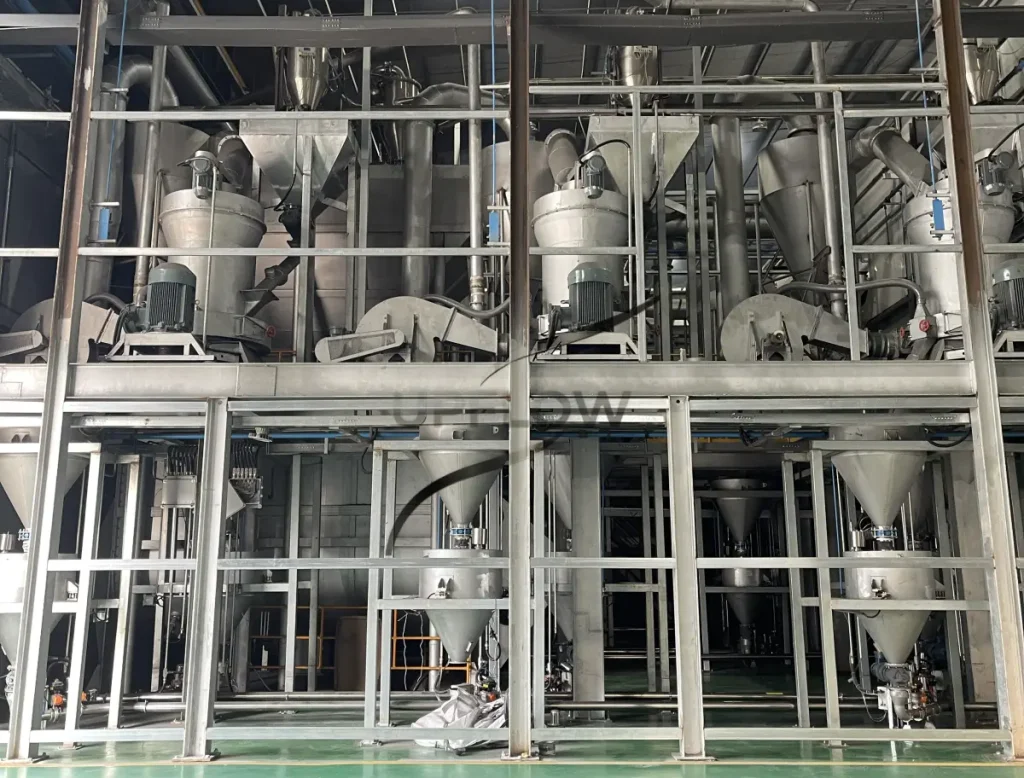
A silicon carbide pneumatic conveying system enables efficient transport of materials from feeding points to designated locations using airflow, and the system typically includes pipelines, blowers, dust collectors, and feeding equipment. As a complete feeding system or material handling system, it offers advantages such as long conveying distance, high capacity, and flexible layout, making it widely used in building materials, mining, and chemical industries.
Advantages of Silicon Carbide Pneumatic Conveying
A well-designed silicon carbide pneumatic conveying system offers several advantages, including high conveying efficiency, stable operation, and reduced dust emission due to its fully enclosed design. In addition, the system structure is relatively simple, easy to operate, and highly reliable, while proper material selection and design can significantly reduce wear caused by abrasive particles.
Furthermore, compared with traditional systems, a properly optimized low-pressure conveying system can reduce energy consumption while maintaining efficient transport, and the use of modular design allows easier installation and maintenance, improving overall system reliability and economic performance.
Key Considerations for System Design
When selecting a silicon carbide pneumatic conveying system, several important factors must be carefully considered to ensure reliable and efficient operation. First, the pipeline material should be selected based on the physical and chemical properties of silicon carbide, especially its high hardness and abrasive nature, which requires wear-resistant materials; second, system parameters such as pressure, temperature, and airflow must be properly designed to ensure pipeline strength and corrosion resistance; in addition, key equipment such as blowers and dust collectors should be carefully selected to maintain stable operation, while overall energy consumption and environmental performance should also be evaluated to achieve an efficient and sustainable conveying solution.
The UPFLOW silicon carbide pneumatic conveying system demonstrates significant advantages through its optimized structural design and advanced manufacturing technology. During operation, the system offers excellent wear resistance, effectively reducing equipment abrasion and extending service life, while its reliable sealing performance prevents material leakage and ensures a clean working environment; furthermore, the modular design simplifies installation and maintenance, improving system flexibility, reliability, and long-term stability, and with stable operation and low energy consumption, it provides strong economic benefits for industrial users.
Although a silicon carbide pneumatic conveying system provides advantages such as high conveying efficiency, stable quality, and fast transport speed, it may also involve higher initial investment, more complex system design, and relatively higher maintenance requirements. With extensive industry experience, UPFLOW offers customized conveying solutions for a wide range of materials, helping customers simplify material handling processes while achieving efficient and reliable system performance.
Conclusion
Overall, a silicon carbide pneumatic conveying system is an efficient, reliable, and environmentally friendly solution for handling abrasive powder materials, integrating functions such as powder conveying, air conveying, and automated material transfer within a fully enclosed system. With proper design and equipment selection, industries can achieve improved efficiency, reduced wear, and long-term stable operation, making it an ideal choice for modern industrial production.