
Introduction
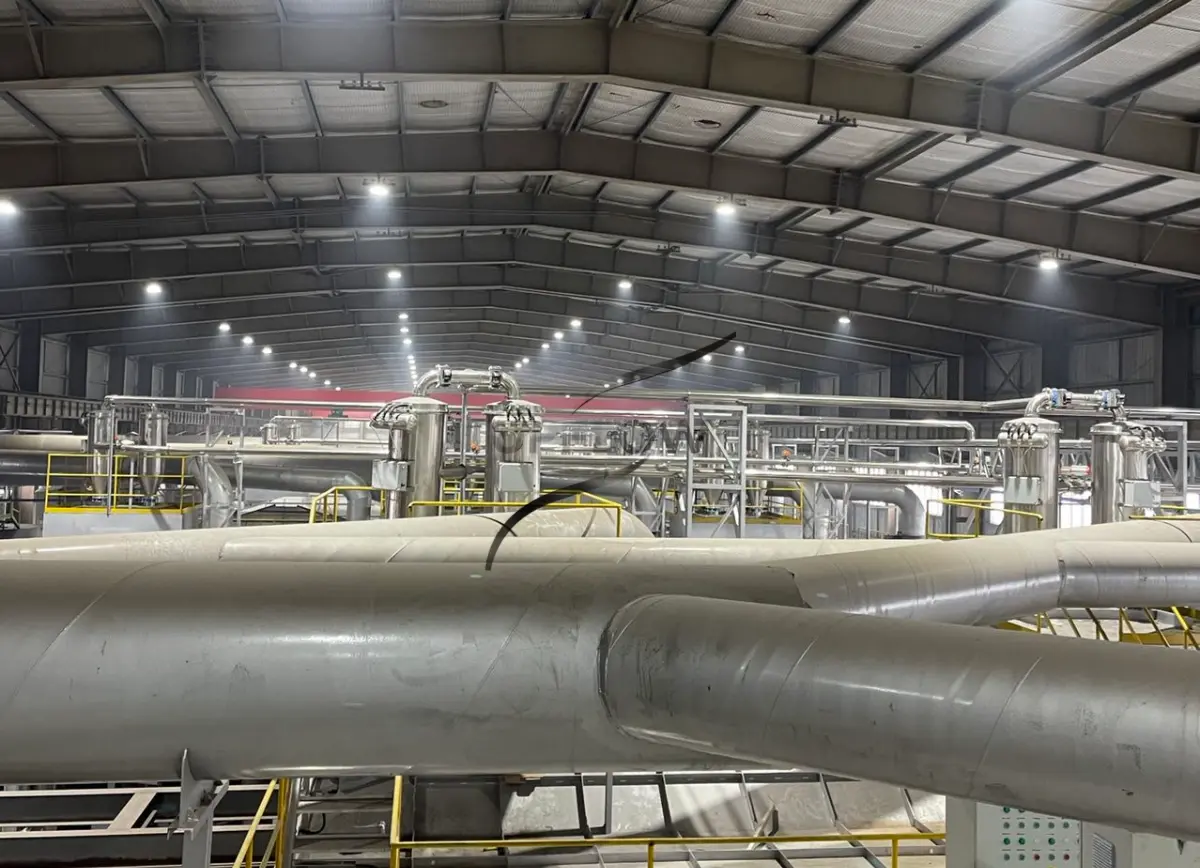
An alumina powder pneumatic conveying system is an efficient and clean material handling solution that uses airflow to transport fine powder from the feeding point to the receiving point through enclosed pipelines, eliminating material contact with the external environment while preventing moisture absorption, contamination, and dust emission; compared with traditional conveying methods, this type of pneumatic conveying system offers higher conveying speed, lower energy consumption, and better environmental performance, making it widely used in alumina production, chemical processing, and building materials industries.
Alumina Material Characteristics
Alumina (chemical formula: Al₂O₃), also known as aluminum oxide, is a white powder material widely used in ceramics, refractories, abrasives, and electronics industries. It typically has a bulk density of approximately 0.8–1.6 t/m³ depending on particle size and processing conditions, and is often handled as fine powder or micro-powder.
Due to its fine particle size, alumina powder is prone to dust generation during handling, and although it generally has good chemical stability, its abrasive nature may lead to wear in pipelines and equipment. Therefore, using a well-designed alumina powder pneumatic conveying system is essential to ensure stable, efficient, and closed conveying while maintaining product quality.
Product Overview
An alumina powder pneumatic conveying system transports alumina powder through pipelines using airflow generated by blowers or compressors, and the system typically includes storage silos, feeding devices, conveying pipelines, blowers, and separators. During operation, airflow carries the powder from the storage unit through pipelines to the target location, achieving continuous and efficient conveying with advantages such as high capacity, long conveying distance, and stable performance.
Working Principle
The working principle of an alumina powder pneumatic conveying system is based on air-driven transport, where compressed air generates a controlled airflow inside pipelines to carry and propel powder materials from the source to the destination. By adjusting airflow velocity and pressure, the system can achieve continuous and stable conveying while minimizing dust leakage and ensuring efficient operation.
Types of Pneumatic Conveying Systems
Pneumatic conveying can be divided into different types based on pressure conditions, including positive pressure conveying and negative pressure conveying, both of which are widely used in industrial applications.
In a positive pressure conveying system, materials are pushed forward by pressurized air inside the pipeline, making it suitable for long-distance and high-capacity conveying; while in a negative pressure conveying system, materials are transported by suction created inside the pipeline, which is ideal for handling dusty, hazardous, or easily dispersed materials.
Both methods support closed conveying, ensuring a clean and controlled environment, and can be selected based on specific process requirements.
System Structure
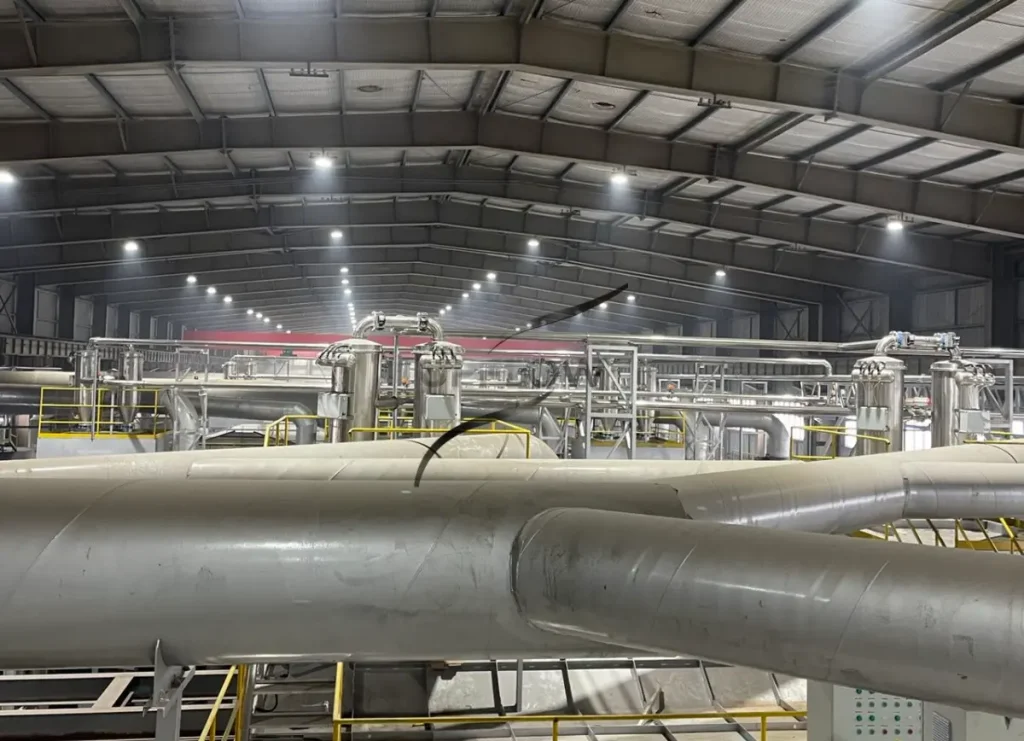
The structure of an alumina powder pneumatic conveying system mainly includes conveying pipelines, air supply systems, pressure vessels, dust collectors, and control systems. The pipelines are typically made of wear-resistant materials to handle abrasive powders, while the air supply system provides the necessary conveying power.
Dust collectors are installed to capture fine particles and maintain a clean production environment, and the control system, often based on PLC technology, ensures automated operation by monitoring airflow, pressure, and material flow, improving system stability and efficiency.
Advantages and Features
Pneumatic conveying of alumina powder materials has advantages such as high conveying efficiency, low energy consumption, long conveying distance, simple structure, convenient operation, safety and reliability, and reduced dust pollution.
UPFLOW alumina powder pneumatic conveying systems are widely recognized for their high efficiency, stability, and safety. This system employs advanced airflow dynamics design to ensure uniform material distribution during conveying, reducing energy consumption. Simultaneously, the system is equipped with an intelligent control system that automatically adjusts conveying speed and pressure, improving conveying efficiency. Furthermore, the system uses corrosion-resistant materials to ensure long-term stable operation and reduce maintenance costs. UPFLOW’s alumina powder pneumatic conveying system effectively reduces dust pollution while ensuring material conveying quality, meeting green environmental protection requirements.
Alumina powder pneumatic conveying is a highly efficient conveying method that uses airflow to move powder materials through pipelines. It offers advantages such as long conveying distances, high conveying speeds, and simple equipment structure. This technology is widely used in conveying powder materials such as alumina, significantly improving production efficiency and reducing production costs. UPFLOW focuses on the powder conveying field, diligently researching and manufacturing high-quality conveying equipment, and is committed to providing customers with superior powder conveying solutions.
Conclusion
Pneumatic conveying of alumina powder is a highly efficient method that uses airflow to move the powder material through pipes. It offers advantages such as long conveying distances, high conveying speeds, and simple equipment structure. This technology is widely used in conveying powdered materials such as alumina, significantly improving production efficiency and reducing costs. UPFLOW focuses on the powder conveying field, diligently researching and manufacturing high-quality conveying equipment, and is committed to providing customers with superior powder conveying solutions.