
Introduction
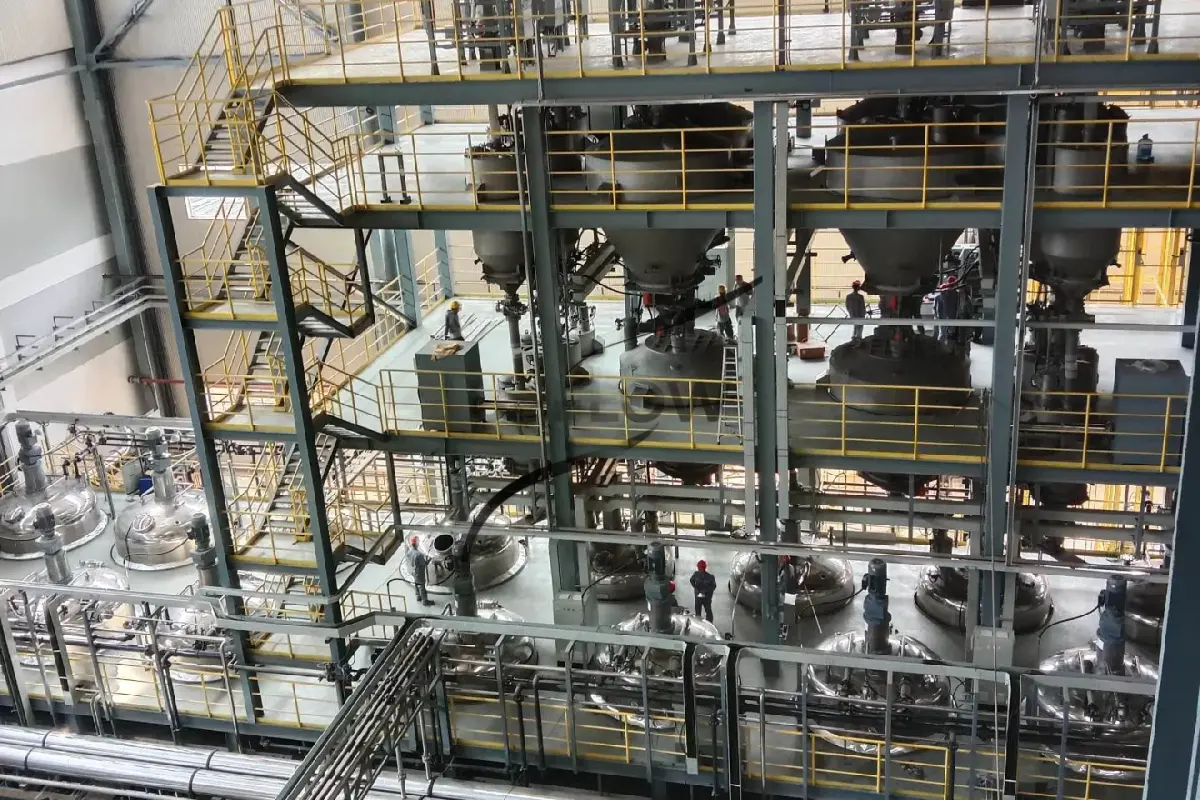
A potassium sulfate pneumatic conveying system is an advanced solution designed to transport granular or powder materials through enclosed pipelines using controlled airflow, widely used in fertilizer production, chemicals, pharmaceuticals, and building materials industries where clean, efficient, and automated material handling is essential. This type of pneumatic conveying system improves productivity while minimizing dust emissions and operational complexity.
Potassium Sulfate Material Characteristics
Potassium sulfate (chemical formula: K₂SO₄), also known as SOP (Sulfate of Potash), is a widely used fertilizer material typically found in crystalline, granular, or powder form. Its bulk density generally ranges from 1.0 to 1.4 t/m³, depending on particle size and moisture content.
The material usually exhibits good flowability under dry conditions; however, in humid environments, it may absorb moisture and form lumps, which can affect feeding stability and conveying efficiency. Therefore, a well-designed potassium sulfate pneumatic conveying system is essential to ensure consistent material flow and prevent blockage during operation.
Applications of Potassium Sulfate Pneumatic Conveying System
The potassium sulfate pneumatic conveying system is suitable for handling a wide range of bulk materials, including powders, granules, and free-flowing solids such as cement, fly ash, grains, plastic pellets, and pharmaceutical powders. It enables efficient transfer between different processing stages or equipment units.
This system is particularly effective for long-distance conveying, making it ideal for large industrial plants or cross-area material transport. It also supports multi-point feeding and discharge configurations, allowing flexible system layouts to adapt to complex production environments. In addition, auxiliary equipment can be integrated to perform material mixing, classification, heating, cooling, or drying during conveying, improving overall process efficiency.
Working Principle
The potassium sulfate pneumatic conveying system operates by generating a controlled airflow using compressed air or other gas sources, creating specific velocity and pressure conditions inside the pipeline. Materials are introduced into the system through feeding equipment and then carried by the airflow in a suspended or dense phase state.
This gas-solid two-phase flow enables materials to move smoothly through the pipeline to the designated destination. Depending on process requirements, the system can operate as a vacuum conveying system, a low pressure conveying system, or a high pressure conveying system, offering flexibility for different conveying distances and capacities.
System Structure
A complete potassium sulfate pneumatic conveying system consists of several integrated components that ensure stable and efficient operation.
The air supply system, including blowers, compressors, centrifugal fans, or vacuum pumps, provides the driving force required for conveying. The feeding unit, such as screw feeders, ensures stable and controlled material input.
The pipeline network serves as the conveying path and is typically made of wear-resistant and corrosion-resistant materials to ensure durability and prevent contamination. The system may also include bends, and expansion joints to regulate airflow and adapt to layout requirements.
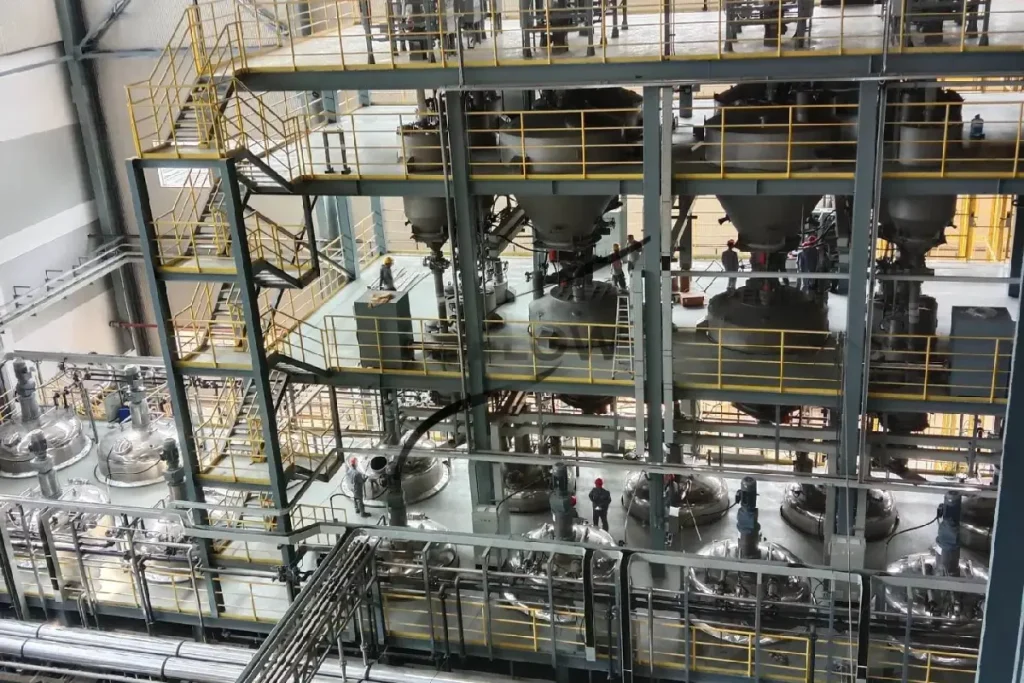
The dust collection system plays a critical role in maintaining environmental compliance by capturing dust and emissions generated during conveying. Meanwhile, the storage system, usually designed with conical or pyramidal silos, enables efficient material storage and discharge.
Finally, the control system, often based on PLC technology, monitors and regulates parameters such as airflow velocity, feed rate, and system pressure to ensure consistent performance and safe operation.
System Features and Advantages
The potassium sulfate pneumatic conveying system offers high flexibility and efficiency, allowing materials to be transported from multiple sources to a single destination or distributed from one source to multiple points. This flexibility makes it suitable for large-scale and complex production systems.
Its enclosed conveying design effectively prevents dust leakage and material loss, ensuring a clean and environmentally friendly production process. In addition, the system supports energy-saving operation and reduced labor requirements through automation and centralized control.
With integrated functions such as dust removal, process assistance, and long-distance conveying, the system provides a reliable solution for modern bulk material handling, while also meeting safety requirements such as explosion protection.
Conclusion
In summary, the potassium sulfate pneumatic conveying system is a versatile and efficient solution for industrial powder and granular material handling, integrating the capabilities of a pneumatic conveying system, vacuum conveying system, and both low pressure and high pressure conveying systems. With its advantages in flexibility, efficiency, and environmental performance, it plays an important role in optimizing production processes across multiple industries.