
Introduction
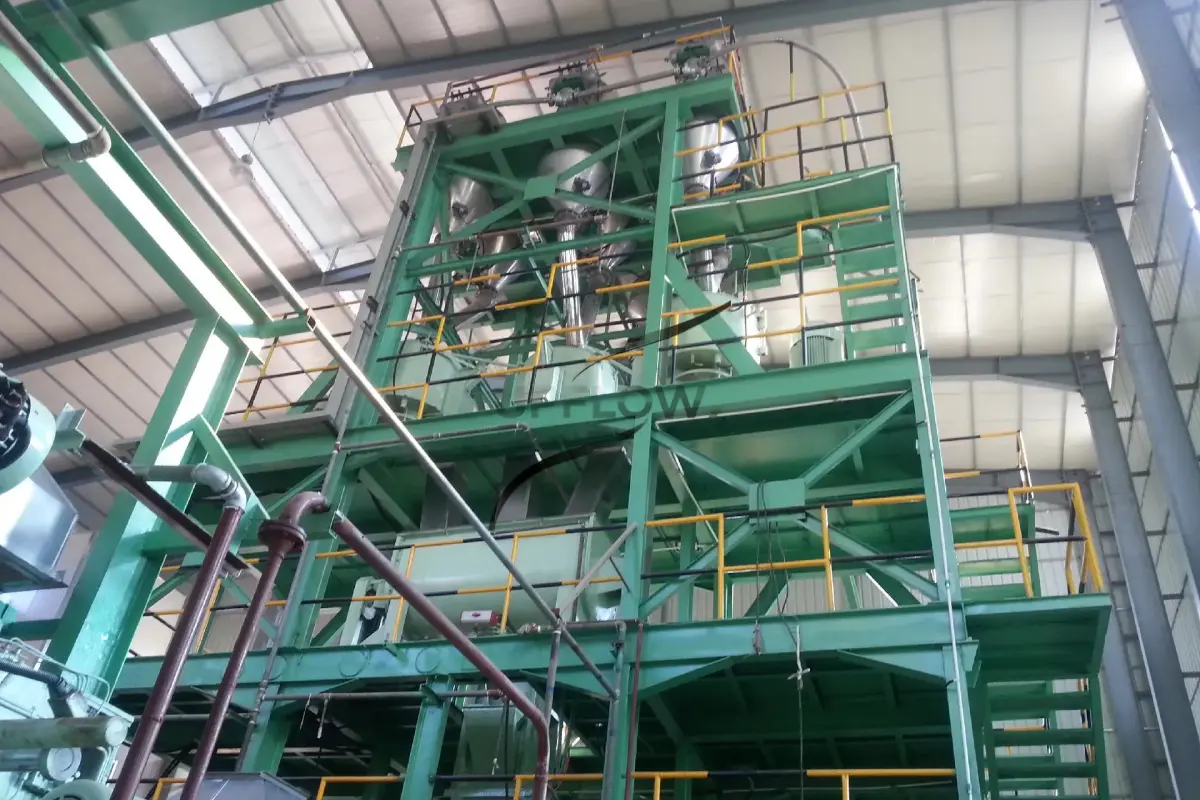
A zinc carbonate pneumatic conveying system is an advanced material handling solution designed to transport fine powders through enclosed pipelines using controlled airflow, which is widely applied in industries such as chemicals, rubber additives, ceramics, and pharmaceuticals, where maintaining product purity, reducing dust emissions, and ensuring stable conveying performance are critical for efficient production.
Zinc Carbonate Material Characteristics
Zinc carbonate (chemical formula: ZnCO₃), commonly known as basic zinc carbonate in industrial applications, is typically processed as a fine powder with a relatively low bulk density ranging from 0.4 to 0.8 t/m³, depending on particle size and processing method. Due to its small particle size and large surface area, zinc carbonate is prone to dust generation during handling, and under certain humidity conditions, it may exhibit mild cohesion or reduced flowability, which can lead to unstable feeding or material buildup in pipelines if the conveying system is not properly designed.
Because of these characteristics, selecting a suitable zinc carbonate pneumatic conveying system is essential to ensure consistent material flow, minimize dust leakage, and maintain a clean and controlled production environment.
Working Principle
The zinc carbonate pneumatic conveying system operates by generating a stable airflow using compressed air or vacuum, allowing powder particles to be carried through pipelines either in suspension or in a controlled dense flow, while airflow velocity and pressure are carefully adjusted to ensure continuous and balanced conveying without causing excessive particle breakage or system instability.
This enclosed conveying process effectively prevents dust dispersion into the surrounding environment, while also enabling precise control of material movement, making it suitable for automated production lines that require high consistency and reliability.
Advantages of Zinc Carbonate Pneumatic Conveying System
One of the most significant advantages of a zinc carbonate pneumatic conveying system is its ability to achieve fully enclosed conveying, which greatly reduces dust emissions and material loss, ensuring both environmental protection and improved working conditions, especially when handling fine and lightweight powders.
In addition, the system provides high conveying efficiency, allowing continuous and stable material transport over both short and long distances, which helps streamline production processes and reduce downtime caused by manual handling or interruptions.
Another key benefit is its flexibility in adapting to complex plant layouts, as pipelines can be arranged in horizontal, vertical, or curved configurations, making it easier to integrate into existing production lines without requiring major modifications.
The system also offers improved product quality control, as materials are protected from moisture, contamination, and external environmental factors during transport, which is particularly important for high-value-added chemical powders such as zinc carbonate.
Furthermore, modern pneumatic conveying solutions support a high level of automation, enabling centralized monitoring and precise control of airflow, feeding rate, and system pressure, which reduces labor requirements while improving operational accuracy and consistency.
Key Design Considerations
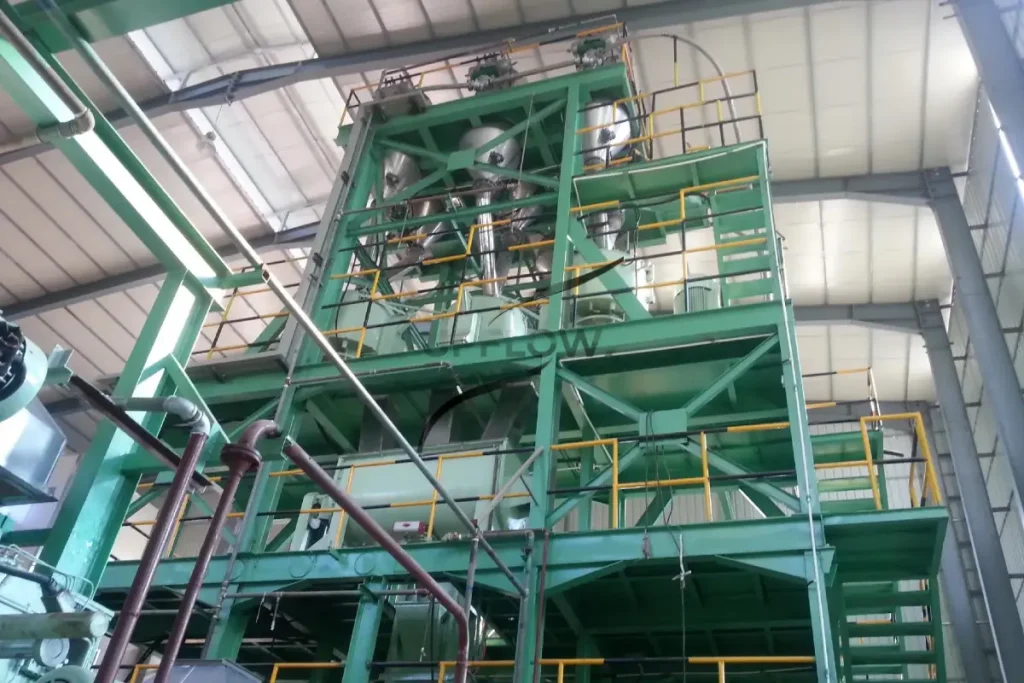
When designing a zinc carbonate pneumatic conveying system, it is important to consider factors such as material flowability, particle size distribution, and environmental humidity, as these directly influence conveying stability and system performance.Proper airflow control is essential to avoid excessive velocity, which could increase dust generation or equipment wear, while insufficient airflow may lead to material settling or pipeline blockage. At the same time, stable feeding mechanisms must be implemented to ensure uniform material entry into the system, preventing pressure fluctuations and ensuring smooth operation.
Energy efficiency should also be taken into account, as optimizing airflow and system configuration can significantly reduce operating costs over the long term.
Industrial Applications
The zinc carbonate pneumatic conveying system is widely used in applications where fine powder handling is required, including chemical processing, rubber compounding, ceramic production, and pharmaceutical manufacturing, where it supports efficient material transfer while maintaining strict environmental and quality standards.
By integrating seamlessly with batching, mixing, and packaging systems, it helps improve overall production efficiency and ensures consistent material supply throughout the process.
Conclusion
In summary, a well-designed zinc carbonate pneumatic conveying system provides a clean, efficient, and reliable solution for handling fine powders, offering advantages such as dust-free conveying, stable performance, and flexible system layout. With proper design and operation, it can significantly enhance production efficiency, reduce environmental impact, and improve overall process control in modern industrial applications.
Looking for a reliable zinc carbonate pneumatic conveying system? Contact us today for a customized solution tailored to your material and process needs.