
Upgrading a powder handling system in an existing factory is often more challenging than installing equipment in a newly constructed plant. Manufacturers need to improve material feeding, conveying capacity, dust collection or automation while working around existing production equipment, limited installation space and ongoing manufacturing schedules.
For chemical, pharmaceutical, food, battery material and other industrial plants, a brownfield powder handling upgrade may involve replacing manual bag feeding, adding pneumatic conveying pipelines, modifying existing hoppers, installing automatic batching equipment or integrating new control systems with existing production lines.
The main challenge is not simply selecting new equipment, but planning how the installation, connection and commissioning activities can be completed with minimum disruption to production.
This article explains the key engineering considerations for upgrading powder handling systems in operating factories.
1. Evaluate the Existing Powder Handling System
Before preparing a retrofit proposal, engineers should understand how the existing production line operates and identify the main problems that need to be addressed.
The assessment should cover:
Existing material unloading and feeding methods.
Current conveying equipment and material transfer routes.
Production capacity and actual material consumption.
Existing storage hoppers, silos and receiving equipment.
Pipeline dimensions, connections and available space.
Dust collection and filtration arrangements.
Electrical cabinets, PLC controls and operating sequences.
Equipment maintenance history and recurring production interruptions.
For example, a factory may already have mixers and storage hoppers but still rely on manual bag unloading and material transportation. In this situation, the most practical upgrade may be to add an enclosed feeding and pneumatic conveying system while retaining the existing downstream equipment.
The objective should be to improve the identified production bottlenecks without unnecessarily replacing equipment that remains suitable for operation.
2. Define the Upgrade Scope Before Selecting Equipment
A brownfield powder handling project can involve different levels of modification, depending on the existing installation and production requirements.
Typical upgrade activities include:
Material Feeding Upgrade: Replace repeated manual material handling with manual bag dump stations, bulk bag unloading equipment or automated feeding arrangements.
Pneumatic Conveying Retrofit: Add vacuum or positive-pressure conveying equipment to transfer powders between existing production areas.
Storage and Hopper Modification: Modify existing receiving hoppers, install level sensors or add intermediate storage equipment to improve material supply.
Automatic Batching Upgrade: Integrate weighing hoppers, load cells and controlled feeders to improve ingredient dosing and production consistency.
Dust Collection Improvement: Upgrade dust extraction connections, filters and equipment sealing to address powder leakage and airborne dust.
Control System Integration: Introduce PLC control, automated valve sequencing and equipment interlocks while coordinating with the existing production control system.
The project scope should clearly distinguish newly supplied equipment, reused equipment, modified components and items that remain under the customer’s responsibility.
3. Check Existing Equipment Interfaces and Factory Layout
One of the most common engineering challenges in an existing plant is that the new equipment must fit into an installation that was not originally designed for it.
Before finalizing the equipment configuration, engineers should obtain existing layout drawings, equipment dimensions, connection details and available installation space.
Important considerations include:
Existing hopper inlet and outlet dimensions.
Available floor space and equipment maintenance clearance.
Factory ceiling height and lifting access.
Existing pipeline routing and support structures.
Electrical and compressed air connection locations.
Structural loading and equipment foundation conditions.
Access for filter replacement and routine maintenance.
If the existing receiving hopper is retained, its connection dimensions, material discharge characteristics and structural condition should be checked before connecting a new conveying system.
For vacuum conveying applications, receiver positioning, filter access and discharge valve arrangements must also be considered to ensure that the new system operates correctly with the existing production equipment.
Explore UPFLOW’s Pneumatic Conveying System and Vacuum Feeding System for customized powder transfer arrangements.
4. Plan Installation Around the Existing Production Schedule
Installation planning is particularly important when a factory cannot afford a long production shutdown.
Instead of completing all installation work during one shutdown period, engineers may divide the project into several stages according to the production schedule and equipment availability.
A typical installation strategy may include:
Stage 1 – Preparation Before Shutdown
Complete equipment manufacturing, pipeline prefabrication, control cabinet assembly and document review before the planned installation window.
Stage 2 – Independent Equipment Installation
Install equipment foundations, supporting frames, receiving hoppers and accessible pipeline sections where these activities can be completed without affecting operating production areas.
Stage 3 – Production Shutdown Connection
Complete the final connections to existing hoppers, mixers, reactors or storage equipment during an agreed shutdown period.
Stage 4 – Electrical and Control Integration
Connect field instruments, motors, pneumatic valves and PLC communication signals according to the approved interface documents.
Stage 5 – Commissioning and Production Handover
Perform equipment inspections, functional testing, interlock verification and material conveying trials before returning the upgraded line to normal production.
The actual sequence depends on the factory layout, equipment arrangement, safety requirements and permitted work schedule.
For more information about startup checks and transfer-cycle troubleshooting, read our guide to Pneumatic Conveying System Commissioning: Troubleshooting Unstable Transfer Cycles.
5. Maintain Material Supply During the Upgrade
Another important issue is how the factory will maintain material supply while part of its feeding or conveying system is being modified.
Depending on the production process, temporary material handling arrangements may be necessary to keep downstream equipment operating during installation.
Possible approaches include:
Retaining an existing manual feeding point as temporary backup.
Using temporary storage containers or buffer hoppers.
Installing the new conveying route before disconnecting the old system.
Completing one material feeding line at a time.
Preparing an alternative material transfer route where technically feasible.
For production lines using multiple raw materials, engineers should also evaluate whether the new conveying equipment can share existing pipelines or whether dedicated routes are necessary to prevent cross-contamination.
Our guide to Vacuum Conveying for Multiple Bag Dump Stations: Valve Sequencing explains how multiple feeding points can be coordinated through pipeline arrangements, pneumatic valves and PLC control.
6. Integrate New Automation with Existing PLC and Equipment
When upgrading an existing powder handling system, the new equipment must communicate correctly with the plant’s existing control architecture.
The engineering team should identify which control functions remain in the original system and which will be managed by the new equipment control cabinet.
Typical integration requirements include:
Motor start and stop signals.
Pneumatic valve control.
Hopper high-level and low-level signals.
Conveying pressure and filter differential pressure monitoring.
Equipment fault and alarm signals.
Emergency stop interfaces.
Automatic and manual operating modes.
Production sequence and equipment interlocks.
The PLC communication method and responsibility for programming should be agreed before manufacturing begins.
A clear signal list and control interface matrix can help prevent missing connections and reduce commissioning problems during installation.
7. Manage Dust, Cleaning and Production Safety
Existing factories may have different dust collection arrangements, housekeeping procedures and material handling conditions from those assumed during the original equipment design.
Before installing new equipment, engineers should check whether existing dust extraction capacity, filtration arrangements and discharge connections are suitable for the upgraded process.
Material compatibility and cleaning requirements also need attention, particularly when the production line handles different powder grades or sensitive chemical materials.
For combustible powders or hazardous substances, any modifications to equipment, electrical installations and dust collection systems should be reviewed through an appropriate site-specific risk assessment.
The upgrade should not reduce the safety performance of the existing installation or introduce new hazards through temporary connections and modified operating procedures.
8. UPFLOW Brownfield Powder Handling Project Reference
UPFLOW provides customized powder feeding, pneumatic conveying and equipment integration solutions for manufacturers upgrading existing production facilities.
PVC Powder Feeding and Vacuum Conveying System Retrofit
For a new materials manufacturer, UPFLOW designed and supplied a customized PVC powder feeding and vacuum conveying system to connect the existing bag unloading area with multiple downstream receiving points.
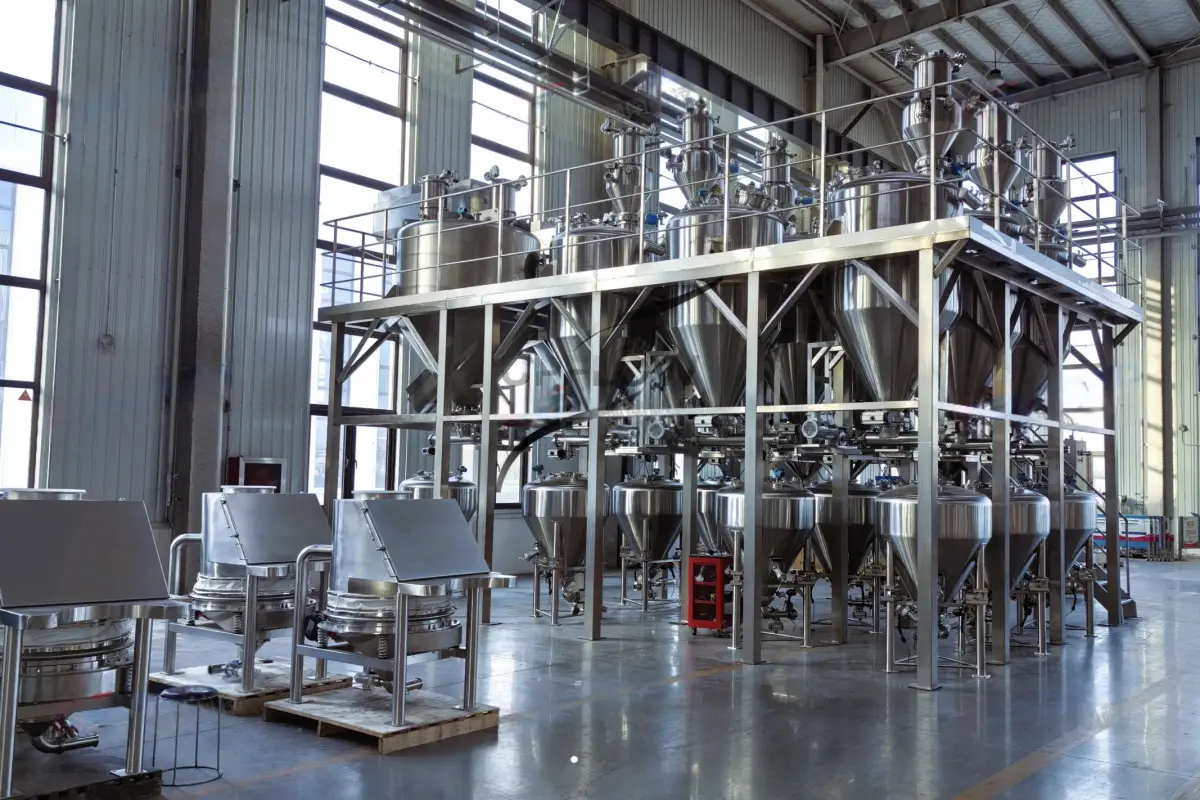
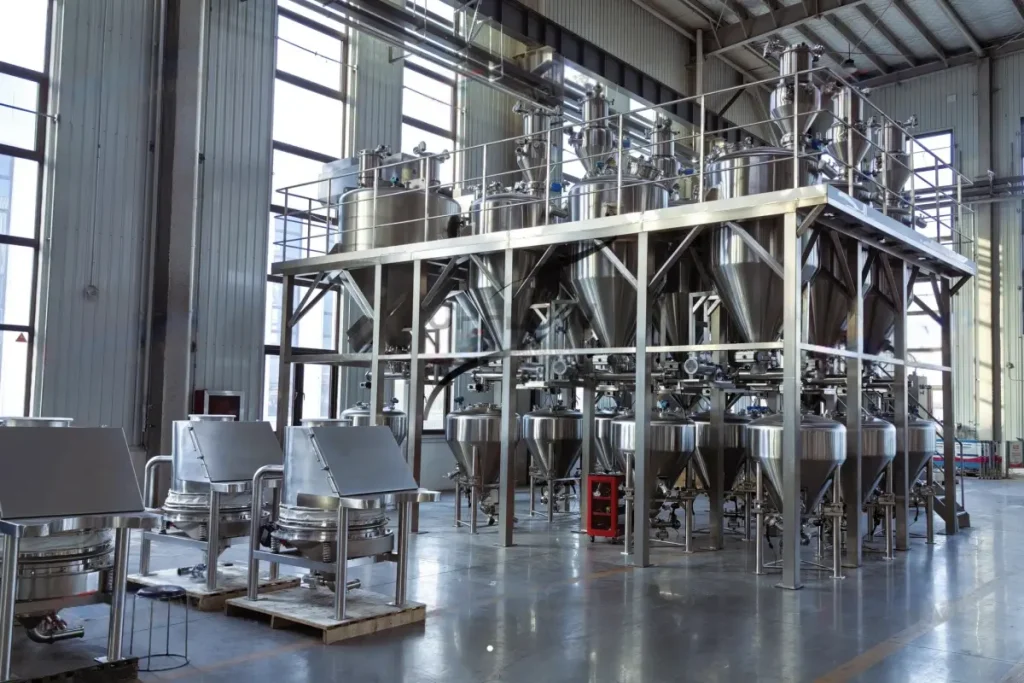
The project incorporated five UPFLOW-320 conveying units, bag unloading equipment, approximately 30 meters of stainless steel conveying pipelines, receiving hopper modifications, level detection, dust collection connections and centralized electrical control.
Importantly, the existing receiving equipment was retained and modified to accommodate the new conveying arrangement rather than replacing the entire downstream production line.
This project provides a direct engineering reference for brownfield powder handling upgrades involving existing hoppers, new conveying equipment, pipeline modifications and PLC integration.
Read more about the PVC Powder Feeding and Vacuum Conveying System Project.
Kenya Magnesium Silicate Conveying and Batching Project
UPFLOW also supplied a customized magnesium silicate pneumatic conveying and batching system for an industrial customer in Kenya.
The system integrated manual bag dumping, pneumatic conveying, weighing hoppers, screw feeding equipment, filtration, storage and centralized control.
This project provides an additional reference for integrating multiple powder handling functions into a coordinated production process, although it was not presented as an operating-plant retrofit project.
Read more about the Kenya Magnesium Silicate Conveying and Batching Project.
9. Frequently Asked Questions
Q1. Can a powder handling system be upgraded without stopping factory production?
In some projects, equipment installation and pipeline preparation can be completed while production continues, with final connections scheduled during planned shutdown periods. The feasibility depends on the existing layout and isolation requirements.
Q2. Can new pneumatic conveying equipment connect to existing storage hoppers?
Yes. Existing hoppers may be retained if their dimensions, structural condition, material discharge characteristics and connection interfaces are suitable for the new conveying arrangement.
Q3. Should existing pipelines be reused during a powder handling retrofit?
Existing pipelines can be reused only after checking their diameter, material, condition, pressure rating, cleanliness and suitability for the new conveying process. Reuse should not be assumed without engineering verification.
Q4. How long does a brownfield powder handling upgrade take?
The project duration depends on equipment manufacturing, pipeline prefabrication, site access, electrical integration and the available shutdown window. A detailed installation schedule should be prepared after reviewing the actual factory layout.
Q5. What information should be provided before requesting a retrofit quotation?
Useful information includes existing equipment drawings, material properties, current feeding capacity, conveying distance, equipment connection dimensions, factory layout, control system details and the permitted installation schedule.
Conclusion
A successful brownfield powder handling upgrade requires careful coordination between existing equipment, new conveying and feeding components, installation schedules, control interfaces and production requirements.
By evaluating the existing plant before equipment selection and completing as much preparation as possible before shutdown, manufacturers can reduce installation conflicts and improve the integration of new powder handling equipment with their existing production processes.
UPFLOW provides customized bulk bag unloading, pneumatic conveying, vacuum feeding and automatic batching solutions for chemical, food, pharmaceutical, battery material and other industrial applications.
Planning to upgrade an existing powder handling line? Contact UPFLOW with your current equipment layout, material specifications, production capacity and installation requirements to discuss a suitable retrofit solution.