
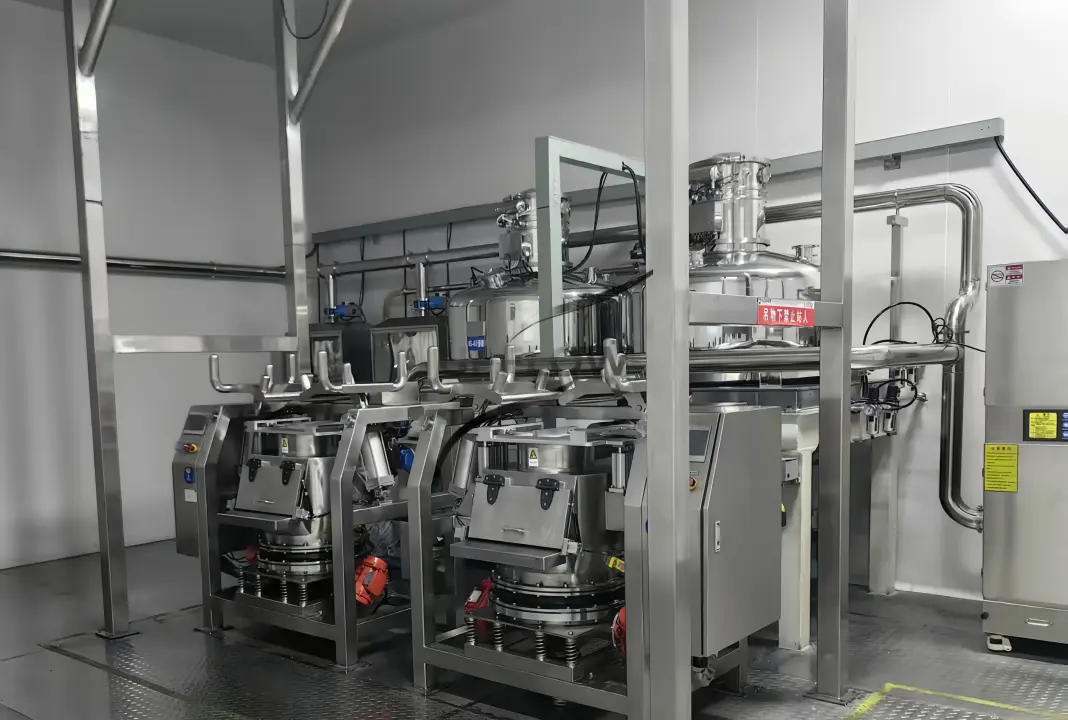
Understanding Gold Powder and Its Material Characteristics
Gold powder, also known as Au powder, precious metal powder, micron gold powder, or conductive gold powder, is widely used in electronics manufacturing, semiconductor packaging, conductive pastes, catalyst production, jewelry processing, and advanced material research. Due to its exceptional electrical conductivity, oxidation resistance, and chemical stability, gold remains one of the most valuable materials used in high-tech industries.
Gold powder typically exhibits a bulk density ranging from 4.0 to 10.0 g/cm³, depending on particle size, purity level, and production technology. Common forms include micron gold powder, nano gold powder, spherical gold powder, flake gold powder, and high-purity electronic-grade gold powder. Because of its extremely high economic value, even minimal material loss during handling can result in significant production costs, making precision conveying technology essential.
Why Gold Powder Requires a Specialized Conveying Solution
Unlike common industrial powders, gold powder demands strict control over material recovery, contamination prevention, and transfer accuracy. Manual handling not only increases the risk of material loss but can also introduce impurities that affect downstream manufacturing processes.
A gold powder pneumatic conveying system provides a fully enclosed solution that minimizes product exposure to the environment while maintaining excellent conveying efficiency. Whether used in electronics manufacturing or precious metal processing, a gold powder automatic conveying system helps improve product consistency while protecting valuable raw materials.
How a Gold Powder Pneumatic Conveying System Operates
A modern gold powder pneumatic conveying system uses controlled airflow to move gold particles through sealed conveying pipelines. Depending on production requirements, the system may operate as a vacuum conveying system for gold powder materials or as a customized pressure-based solution designed for specific process conditions.
During operation, gold powder is transferred from storage containers or feeding stations into the conveying pipeline through precision feeding equipment. The material then travels through a gold powder pneumatic conveying production line and is delivered directly to mixers, reactors, packaging equipment, or electronic paste preparation systems without unnecessary handling steps.
Key Features of a Gold Powder Automatic Conveying System
Maximum Material Recovery
As one of the world’s most valuable industrial materials, gold powder requires efficient recovery throughout the conveying process. A gold powder pneumatic conveying system is engineered to minimize residual material inside pipelines and equipment, helping manufacturers reduce waste and maximize resource utilization.
High-Purity Enclosed Transfer
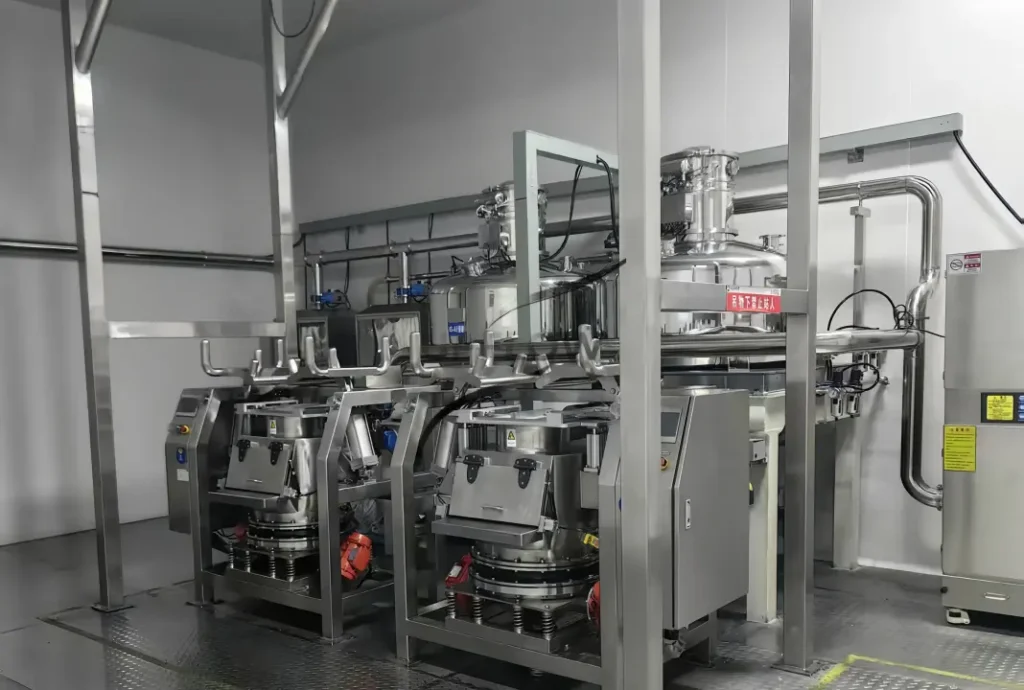
A vacuum conveying system for gold powder keeps the material isolated from external contaminants, ensuring that high-purity gold powder remains suitable for demanding applications such as semiconductor packaging and conductive paste production.
Intelligent Automation
As a gold powder automatic conveying system, the equipment can be integrated with weighing, batching, dosing, and process control systems. This creates a fully automated workflow that improves production efficiency while reducing operator intervention.
Flexible Production Integration
A gold powder pneumatic conveying production line can be connected with storage silos, blending equipment, powder processing systems, and packaging units, allowing manufacturers to build highly efficient and scalable production facilities.
Applications in Precious Metal and Electronic Industries
The gold powder pneumatic conveying system is widely used in precious metal refining, conductive paste manufacturing, semiconductor packaging, electronic component production, catalyst processing, and advanced research laboratories. As production standards continue to increase, many companies are replacing traditional material handling methods with automated conveying technologies that offer greater precision and reliability.
Whether functioning as a vacuum conveying system for micron gold powder, a gold powder feeding system for conductive materials, or a fully automatic conveying system for electronic-grade gold powder, the technology provides superior performance in demanding industrial environments.
Conclusion
A gold powder pneumatic conveying system offers an advanced solution for handling valuable precious metal powders safely and efficiently. By combining vacuum conveying systems, automatic powder conveying systems, pneumatic conveying production lines, and intelligent process controls for gold powder materials, manufacturers can achieve higher material recovery rates, improved product quality, and greater operational efficiency while protecting one of the most valuable materials in modern industry.