
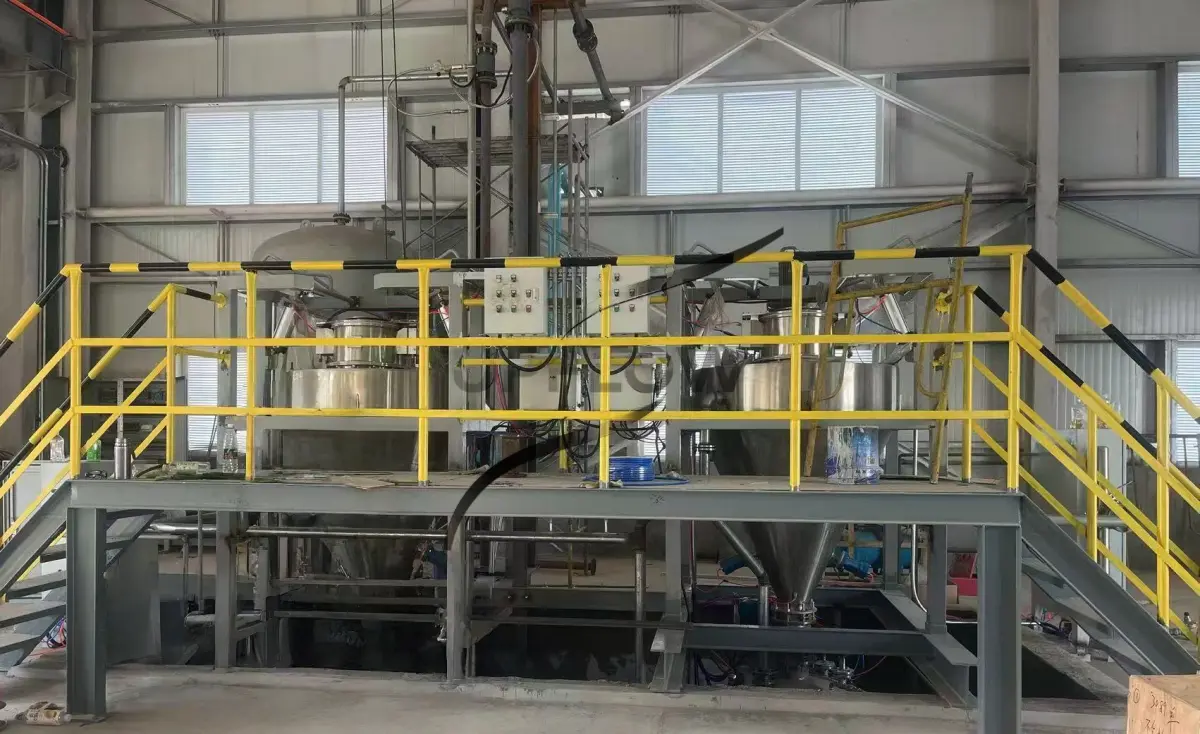
Introduction: Why Hazardous Powder Conveying Requires Specialized Systems
A hazardous powder conveying system is a key infrastructure in modern chemical production lines, where handling toxic, flammable, or reactive powders requires not only efficiency but also strict safety and containment measures to protect both personnel and product quality. As chemical plants move toward higher automation and stricter environmental compliance, traditional open conveying methods are being replaced by advanced dust-free conveying systems that ensure fully enclosed, controlled, and reliable material transfer.
In such applications, conveying equipment is no longer a simple transport tool but an integral part of a material automation system, designed to minimize human exposure, eliminate dust emissions, and maintain stable process conditions throughout the production cycle.
Typical Hazardous Powders and Their Handling Challenges
Chemical production involves a wide range of hazardous powders, and understanding their behavior is essential for designing an effective hazardous powder conveying system, as different materials present different safety risks and handling difficulties. Common hazardous powders include fine chemical intermediates, catalysts, pigments, resins, lithium battery materials, and specialty additives, many of which exhibit properties such as high dust generation, toxicity, or chemical reactivity.
For example, catalysts and fine additives are often highly active and sensitive to contamination, requiring a fully enclosed powder transfer system to maintain purity, while pigments and carbon-based powders generate large amounts of airborne dust and must be handled using efficient sealing and filtration within a material conveying system. In addition, certain resins and polymer powders may be combustible under specific conditions, creating explosion risks that must be addressed through careful system design and safety measures.
Core System Design: Enclosed and Automated Conveying
A hazardous powder conveying system is typically based on pneumatic conveying principles, where materials are transported through sealed pipelines using airflow, ensuring that powders remain isolated from the external environment throughout the process. This fully enclosed approach is essential for preventing dust leakage, reducing contamination risks, and maintaining a safe working environment.
Modern systems are often integrated into a complete automatic feeding system, allowing materials to be transferred from storage or feeding stations directly to reactors, mixers, or packaging units without manual intervention, while centralized designs improve efficiency by distributing materials to multiple process points through a unified network.
Safety Design and Explosion Risk Prevention
Safety is the most critical factor in the design of a hazardous powder conveying system, especially when dealing with flammable or explosive materials that can form combustible dust clouds under certain conditions. To mitigate these risks, systems must incorporate explosion-proof components, anti-static designs, and grounding systems, ensuring that any potential ignition sources are eliminated.
In addition, advanced safety solutions such as inert gas protection, explosion venting, and pressure monitoring systems can be implemented to further enhance operational safety, while maintaining compliance with international safety standards. These measures ensure that the conveying process remains stable and secure even under demanding production conditions.
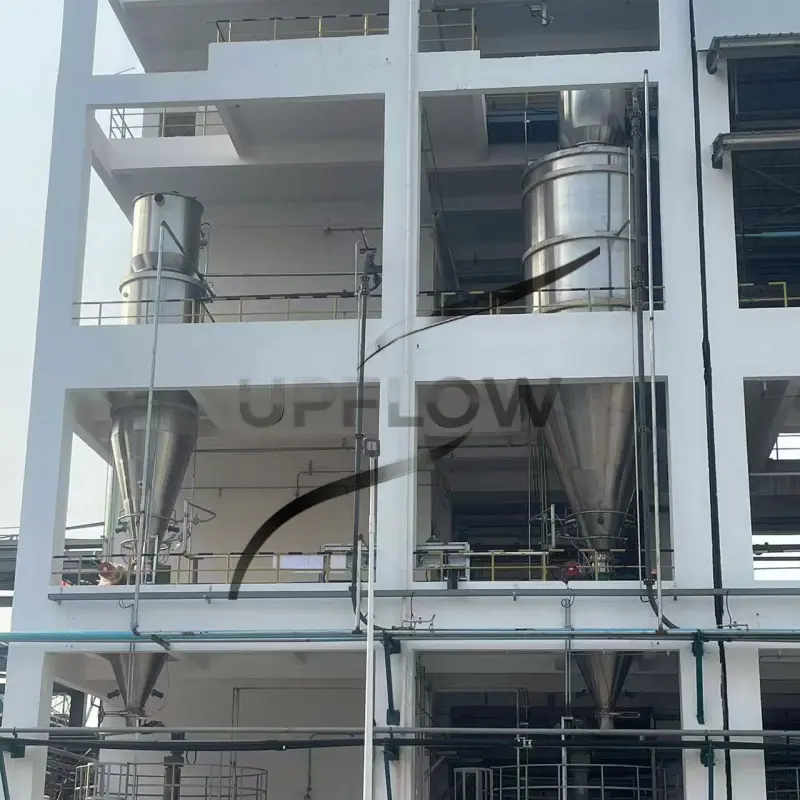
Process Efficiency and Operational Stability
Beyond safety, a well-designed hazardous powder conveying system must also deliver consistent performance and high efficiency, as unstable conveying can lead to material loss, process interruptions, and increased maintenance costs. Achieving this requires precise control of airflow, pipeline design, and feeding systems to ensure smooth and continuous material transfer.
By optimizing system layout and integrating it into a broader material automation system, manufacturers can reduce downtime, improve production consistency, and lower operational costs, while maintaining a clean and controlled working environment. This balance between safety and efficiency is essential for modern chemical production lines.
System Integration in Chemical Production Lines
In advanced chemical plants, the hazardous powder conveying system is often connected with upstream and downstream processes to form a fully integrated production system, where raw materials are automatically fed, conveyed, processed, and packaged within a closed-loop system. This integration improves overall plant efficiency while reducing the number of manual handling steps and potential contamination points.
Such systems can also support multi-material handling through centralized distribution, enabling flexible production and improved process control, which is particularly important for plants that handle multiple hazardous powders with different characteristics.
Conclusion: Safe and Efficient Powder Handling for Modern Chemical Plants
A well-engineered hazardous powder conveying system is essential for ensuring safe, enclosed, and efficient material handling in chemical production environments, as it addresses the unique challenges associated with hazardous powders while improving operational performance and regulatory compliance. By adopting advanced conveying technologies and integrated automation solutions, manufacturers can achieve higher safety standards, better efficiency, and long-term production reliability.