Introduction
A food grade pneumatic conveying system supplier plays a crucial role in helping food manufacturers achieve hygienic, efficient, and automated material handling. Whether you are conveying flour, sugar, milk powder, cocoa, or food additives, choosing the right system and supplier directly impacts your production efficiency, product quality, and long-term operating costs.
Today, many buyers are not only searching for a food grade pneumatic conveying system price, but also looking for a reliable partner who can provide customized solutions, hygienic design, and long-term technical support. This guide will help you understand system pricing, key cost factors, and how to select the right supplier for your project.
Industry Background
In the food industry, material conveying is no longer just about moving products from point A to point B. It must meet strict requirements such as:
Hygiene and food safety compliance
Dust-free and contamination-free operation
Accurate batching and dosing
Automation and traceability
Traditional conveying methods often fail due to:
Open systems causing contamination
High labor dependency
Material loss and inconsistent feeding
Difficult cleaning and maintenance
To comply with international standards such as FDA and EHEDG, more companies are investing in sanitary pneumatic conveying systems for food processing.
At the same time, buyers are becoming more price-sensitive and require a clear understanding of system cost and return on investment.
System Solution
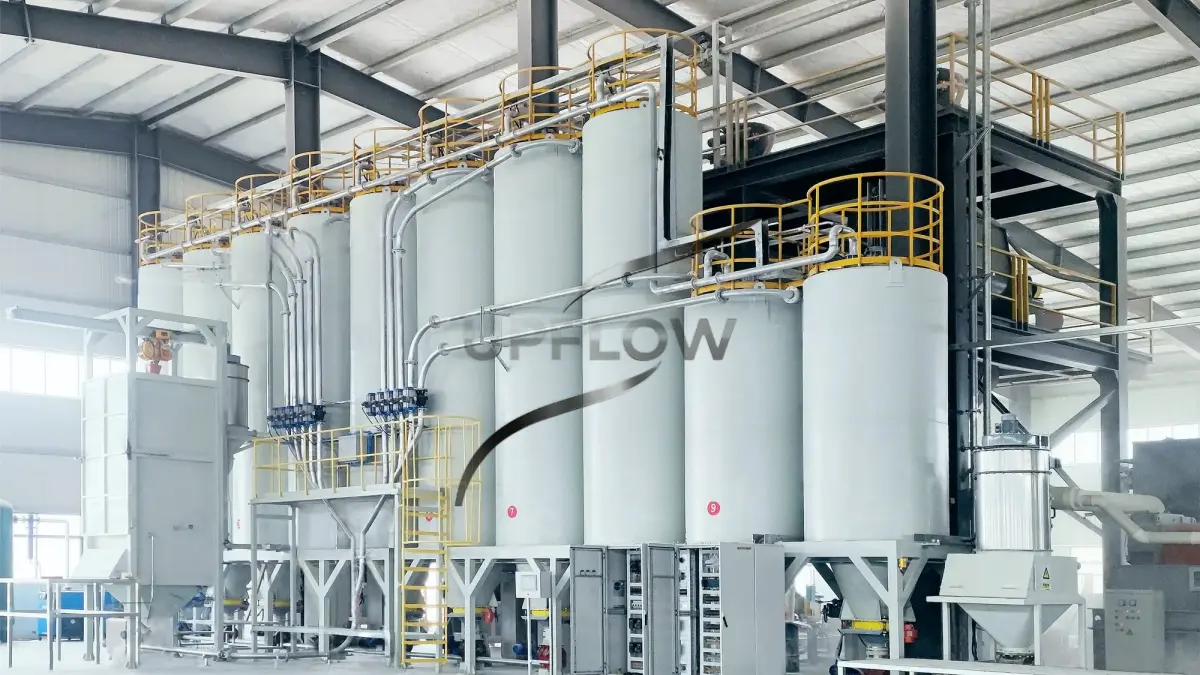
A food grade pneumatic conveying system transports powder and granular materials through pipelines using air pressure or vacuum.
Types of Systems
Vacuum conveying system → ideal for dust-free feeding
Positive pressure conveying system → suitable for long-distance transfer
Dilute phase system → high-speed conveying
Dense phase system → low-speed, gentle conveying
Why Choose Pneumatic Conveying?
Fully enclosed system
Hygienic stainless steel construction
Flexible layout design
Easy integration with automation systems
Reduced labor costs
Recommended Equipment
A complete system typically includes:
Pneumatic Conveying System
Automatic Bag Emptying Machine
Related reading:
Hygienic Pneumatic Conveying System for Food Industry
Powdered Sugar Conveying System Design Guide
System Components
A high-quality food grade system includes
1. Feeding System
Bag dumping station or automatic bag opener
Dust-free design
2. Conveying Pipeline
SS304 / SS316L stainless steel
Polished inner surface
Hygienic connections
3. Air Source
Blower or vacuum pump
Stable airflow supply
4. Filtration System
High-efficiency filters
Anti-static design
Pulse jet cleaning
5. Control System
PLC automation
Real-time monitoring
Integration with MES/ERP
6. Weighing & Dosing
High precision (±0.5%)
Suitable for additives
Food Grade Pneumatic Conveying System Price
This is the most important question for buyers.
Typical Price Range
A food grade pneumatic conveying system price can vary significantly:
Small system: $8,000 – $20,000
Medium system: $20,000 – $80,000
Large customized system: $80,000 – $300,000+
Key Factors Affecting Price
1. Material Type
Flour, sugar → standard design
Sticky or hygroscopic materials → higher cost
2. Capacity
500 kg/h vs 5 ton/h
Larger capacity = higher cost
3. Conveying Distance
Short distance (<20m)
Long distance (>100m)
4. System Type
Vacuum system (lower cost)
Dense phase system (higher cost)
5. Hygienic Requirements
SS304 vs SS316L
CIP system
Polishing level
6. Automation Level
Manual system
Fully automatic system with PLC + weighing
This is why food grade pneumatic conveying system price must always be customized.
Send us your requirements to get an accurate quotation.
Detailed Cost Breakdown of Pneumatic Conveying Systems
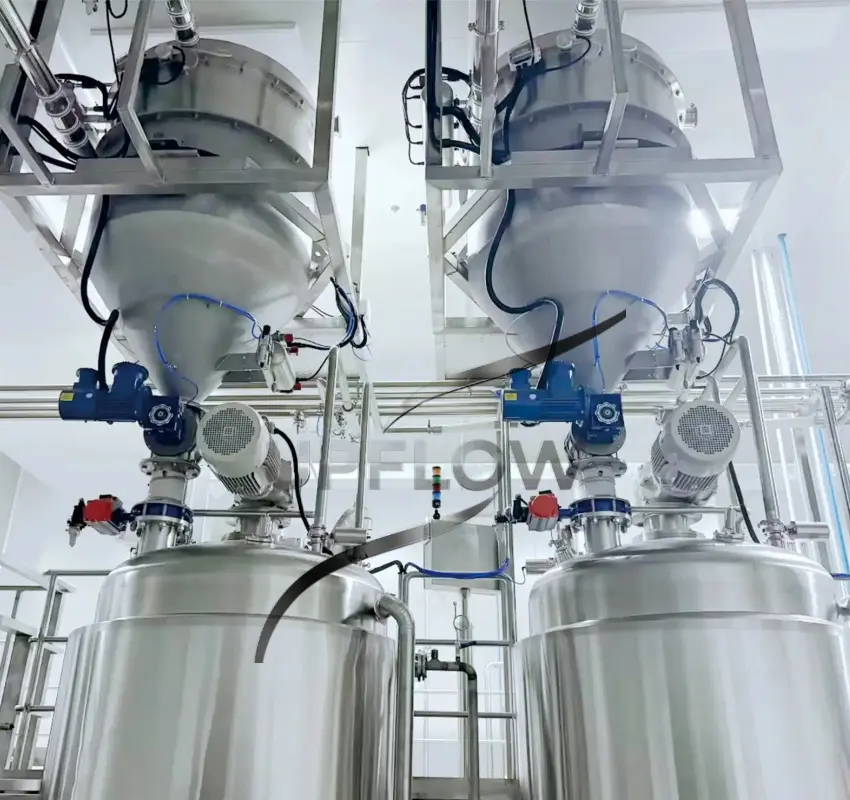
When evaluating a food grade pneumatic conveying system price, it is important to understand how the total cost is structured. Many buyers focus only on the initial quotation, but a complete system cost includes multiple components and long-term operational factors.
1. Equipment Cost
This includes the core system components:
Vacuum pump or blower
Stainless steel pipelines
Filter receiver
Feeding system (bag dumping or automatic bag opener)
Control system (PLC)
For hygienic food applications, the use of SS316L stainless steel, polished surfaces, and food-grade seals will increase the base equipment cost compared to standard industrial systems.
2. Engineering and Design Cost
A reliable supplier will provide:
System layout design
Pipeline routing optimization
Capacity calculation
Material testing (optional)
Customized engineering ensures system stability and performance, which is why experienced suppliers may quote higher—but deliver better long-term value.
3. Installation and Commissioning
Installation costs depend on:
System complexity
Site conditions
Required labor
Some suppliers provide turnkey solutions, including installation, commissioning, and operator training, which reduces risk for the buyer.
4. Operation and Maintenance Cost
A well-designed system reduces:
Energy consumption
Maintenance frequency
Spare part replacement
This is why focusing only on the lowest food grade pneumatic conveying system price can lead to higher long-term costs.
Always evaluate total cost of ownership, not just initial price.
How to Choose the Right Supplier
Choosing a supplier is even more important than choosing the equipment.
1. Industry Experience
Look for suppliers with experience in:
Food industry projects
Powder handling systems
International standards
2. Engineering Capability
A good supplier should provide:
System design
Layout planning
Simulation and testing
3. Certifications
Check compliance with:
ISO
4. Customization Ability
Each project is different:
Material properties
Plant layout
Production capacity
5. After-Sales Support
Installation guidance
Training
Spare parts
Technical support
Choosing a reliable food grade pneumatic conveying system supplier ensures long-term success.
Common Mistakes When Choosing a Supplier
Many buyers make critical mistakes when selecting a food grade pneumatic conveying system supplier, which can lead to operational problems and unexpected costs.
1. Choosing Based on Lowest Price Only
Low-cost systems may:
Use lower-grade materials
Lack proper sealing
Have poor design
This can result in:
Contamination risks
Frequent maintenance
Short system lifespan
2. Ignoring Food Grade Standards
Not all systems are truly hygienic. A qualified supplier must provide:
Food-grade material certification
Hygienic design (no dead zones)
Easy cleaning and maintenance
3. Lack of Customization
Each food production line is unique. Standard solutions may not fit:
Material characteristics
Layout constraints
Production capacity
4. Weak Technical Support
Without strong after-sales support:
Installation issues may occur
System optimization becomes difficult
Downtime increases
A professional food grade pneumatic conveying system supplier should act as a long-term partner, not just an equipment vendor.
Case Example
Project: Food Additive Conveying System
Project Overview
Industry: Food additives
Material: Powder additives + sugar
Capacity: 2.5 tons/hour
Distance: 50 meters
Challenges
High material loss
Dust pollution
Inaccurate dosing
High labor cost
Solution
We designed a food grade pneumatic conveying system, including:
Vacuum conveying system
Automatic bag emptying machine
High-precision weighing system
SS316L pipeline
Results
✅ 30% reduction in material loss
✅ 25% increase in efficiency
✅ 100% dust-free operation
✅ Accurate batching
Have a similar project? Contact us today.
How to Get an Accurate Quotation
To receive an accurate and competitive food grade pneumatic conveying system price, suppliers typically require the following information:
Key Information Needed
Material name (flour, sugar, powder, granules, etc.)
Bulk density
Moisture content
Capacity (kg/h or ton/h)
Conveying distance (horizontal + vertical)
Feeding and discharge points
Plant layout (if available)
Optional but Helpful
Material photos or videos
Process flow diagram
Special requirements (ATEX, FDA, etc.)
Providing complete information allows suppliers to:
Design the most suitable system
Avoid overdesign or underdesign
Offer accurate pricing
The more details you provide, the more precise your quotation will be.
Conclusion
A food grade pneumatic conveying system supplier is not just a vendor, but a long-term partner in optimizing your production process. Understanding system price, design factors, and supplier capabilities will help you make the right investment decision.
With increasing demand for automation, hygiene, and efficiency, pneumatic conveying systems have become essential in modern food processing.
Ready to upgrade your food material handling system?
Get a FREE system design within 24 hours
Receive a customized quotation
Talk to our engineering team
Contact us now via WhatsApp or email and start your project today.