
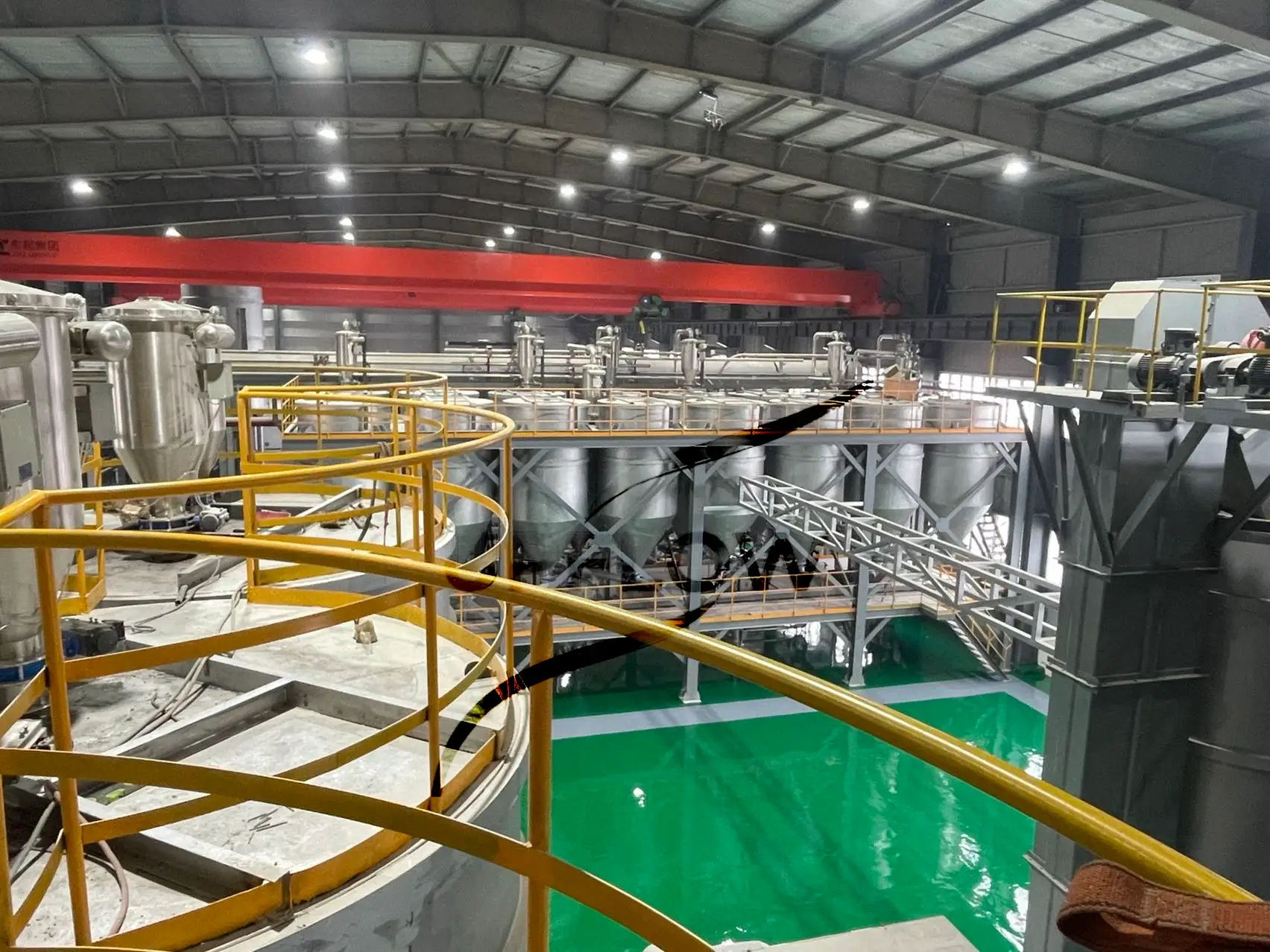
In modern process industries such as chemicals, food processing, pharmaceuticals, and new energy materials, the combination of a pneumatic conveying system and batching system has become a critical solution for efficient powder handling. From lithium battery material production to dairy powder manufacturing, factories require accurate material proportioning and safe transportation.
Traditional manual handling or mechanical conveying methods often suffer from dust pollution, low efficiency, and inconsistent batching accuracy. By integrating a pneumatic conveying system with an automatic batching system, manufacturers can create a fully automated material handling process that ensures precision, hygiene, and productivity.
This integrated approach not only improves operational efficiency but also ensures stable product quality and cleaner production environments. As industries move toward smart manufacturing, the integration of conveying and batching technologies is becoming a key component of modern industrial automation.
Pneumatic Conveying System: The Backbone of Powder Transport
A pneumatic conveying system uses compressed air or gas to transport powder or granular materials through sealed pipelines. Compared with traditional mechanical conveyors such as screw conveyors or belt conveyors, pneumatic systems offer several significant advantages.
First, pneumatic conveying provides dust-free material transport. Because materials are moved inside sealed pipelines, the system prevents powder leakage and contamination. This is especially important in industries like pharmaceuticals and food processing where hygiene standards are strict. You can learn more about our guide to reduce dust emissions: How to Reduce Dust Emissions in Pneumatic Conveying Systems for Powder Handling.
Second, pneumatic systems allow flexible pipeline layouts. Pipelines can run horizontally, vertically, or around obstacles, making them ideal for factories with complex layouts or limited floor space. You can learn more about our guide of how to prevent pipeline blockage: How to Prevent Pneumatic Conveying Pipeline Blockage in Industrial Powder Handling Systems.
Third, modern pneumatic conveying equipment uses intelligent control systems. Variable-frequency blowers and sensors can automatically adjust air velocity and pressure according to material properties such as density or flowability. This reduces the risk of pipeline blockage and ensures stable conveying performance.
For example, many companies integrate vacuum conveying equipment such as a vacuum feeder to transfer powders from raw material storage to batching stations. A well-designed pneumatic conveying system can also transport materials over long distances while maintaining product purity and minimizing energy consumption.
To understand the working principle of this technology, you can also explore our detailed guide on pneumatic conveying systems.
Automatic Batching Systems: Precision at the Core of Production
While pneumatic conveying handles transportation, the batching system is responsible for accurate material proportioning. It acts as the “brain” of the production line, ensuring that every ingredient is measured and delivered according to the required formulation.
Modern automatic batching systems rely on high-precision sensors, programmable logic controllers (PLC), and recipe management software. These technologies enable precise control of raw material dosing and mixing processes.
Several types of feeding devices are commonly used in batching systems:
Screw Feeders
Single or twin screw feeders control the material discharge rate by adjusting screw speed. They are widely used in powder processing industries and provide stable and continuous feeding.
Loss-in-Weight Feeders
Loss-in-weight feeders are considered one of the most accurate batching solutions. The entire feeder is mounted on load cells, and the control system continuously calculates the weight loss over time to regulate feeding speed. This method can achieve extremely high dosing accuracy.
Rotary Valve Feeders
Rotary valves deliver materials in fixed volumes while maintaining pressure sealing between the feeding system and pneumatic pipeline. They are suitable for granular materials with good flowability.
These feeding devices ensure that materials are introduced into the pneumatic conveying system at a precisely controlled rate, forming a stable gas-solid flow for efficient transportation.
How Pneumatic Conveying and Batching Systems Work Together
When integrated into a single production line, the pneumatic conveying system and batching system create a fully automated material handling solution.
The typical workflow includes the following steps:
Raw material storage silo → metering feeder → air mixing section → pneumatic conveying pipeline → receiving equipment such as mixers, reactors, or packaging machines.
In this process, the batching equipment precisely measures materials according to the recipe, while the pneumatic system transports them efficiently to the next processing stage.
For example, materials can be discharged from bulk bags using a ton bag unpacking station, then accurately dosed through a metering feeder, and finally transported through a pneumatic conveying pipeline to a mixing system.
This integrated design eliminates manual handling and ensures a consistent material supply to downstream equipment.
Key Advantages of the Integrated System
The combination of a pneumatic conveying system and batching system provides several important advantages for modern factories.
1. Fully Automated Production
From raw material feeding to final product mixing, the entire process can operate automatically with minimal human intervention. This significantly improves production efficiency.
2. Higher Batching Accuracy
Advanced sensors and automated control systems allow dosing accuracy to reach extremely precise levels. This is essential for industries where formulation consistency directly affects product quality.
3. Clean and Safe Production Environment
Because materials move through sealed pipelines, dust emissions are minimized. When integrated with a dust collection system, factories can maintain clean working environments and meet strict environmental regulations.
4. Flexible Factory Layout
Pipeline routing allows materials to be transported between different floors or across long distances. This flexibility makes pneumatic systems suitable for both new plants and factory upgrades.
5. Reduced Labor and Operational Costs
Automated conveying and batching reduce the need for manual material handling, lowering labor costs and minimizing safety risks.
Industrial Applications
The integration of pneumatic conveying and batching systems is widely used across many industries.
Chemical Industry
Chemical plants use pneumatic conveying to transport catalysts, additives, and polymer powders into reactors while maintaining precise formulation control.
Food Processing
In flour mills or dairy plants, pneumatic conveying systems transport ingredients such as flour, sugar, and milk powder to automated batching stations before mixing.
Pharmaceutical Manufacturing
Pharmaceutical production requires strict contamination control. Closed pneumatic systems ensure hygienic powder handling and accurate dosing of active ingredients.
Building Materials
In dry mortar production lines, cement, fly ash, and additives are automatically measured and transported through pneumatic pipelines to mixing equipment.
These applications demonstrate how combining batching and conveying technologies improves both production efficiency and product consistency.
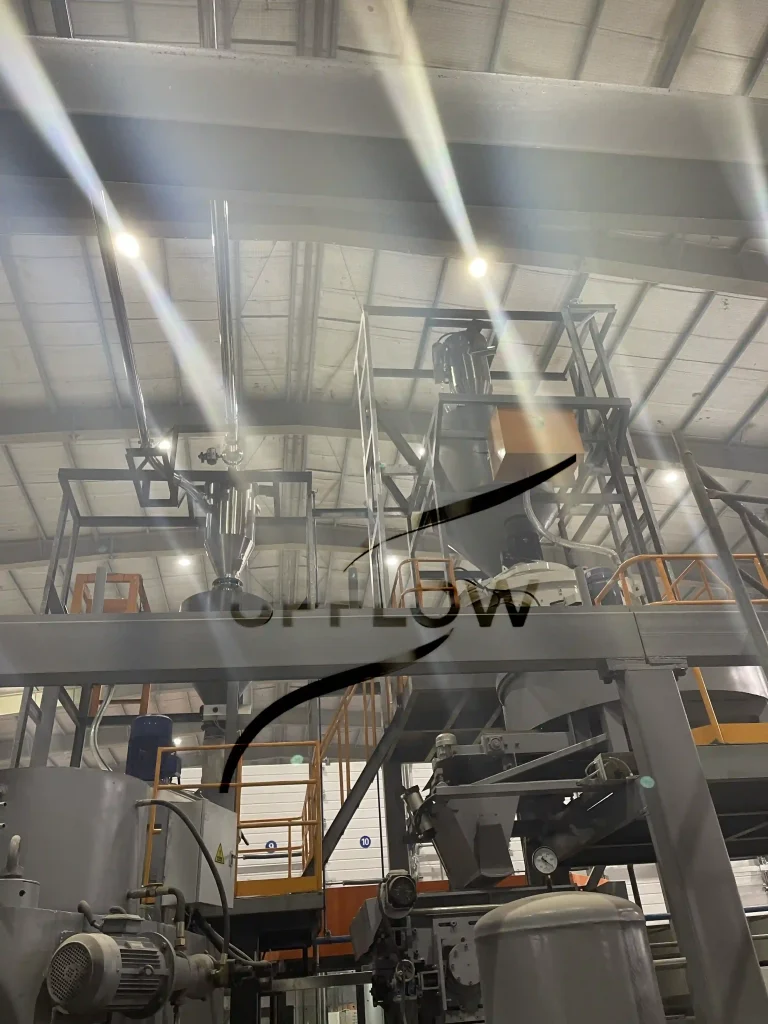
Future Trends in Intelligent Material Handling
With the development of Industrial Internet of Things (IIoT) and smart manufacturing, pneumatic conveying and batching systems are evolving toward higher levels of automation and intelligence.
Modern systems can collect operational data such as airflow, pressure, and material flow rate in real time. These data can be analyzed by intelligent control systems to optimize performance and predict maintenance requirements.
For example, vibration sensors can detect early signs of blower or feeder wear, allowing maintenance teams to take preventive action before equipment failure occurs.
In addition, energy-efficient pneumatic conveying technologies are being developed to reduce power consumption and support sustainable manufacturing goals.
Conclusion
The integration of a pneumatic conveying system and batching system represents a major step toward efficient, automated powder handling in modern industries. By combining precise dosing technology with flexible pneumatic transport, manufacturers can achieve higher production efficiency, better product consistency, and cleaner operating environments.
As industrial automation continues to advance, this integrated solution will play an increasingly important role in chemical processing, food manufacturing, pharmaceuticals, and new energy material production. Companies investing in advanced conveying and batching technologies today are positioning themselves for smarter, safer, and more competitive manufacturing in the future.
Looking for a reliable pneumatic conveying system manufacturer? Contact us today for a free consultation and quotation.