
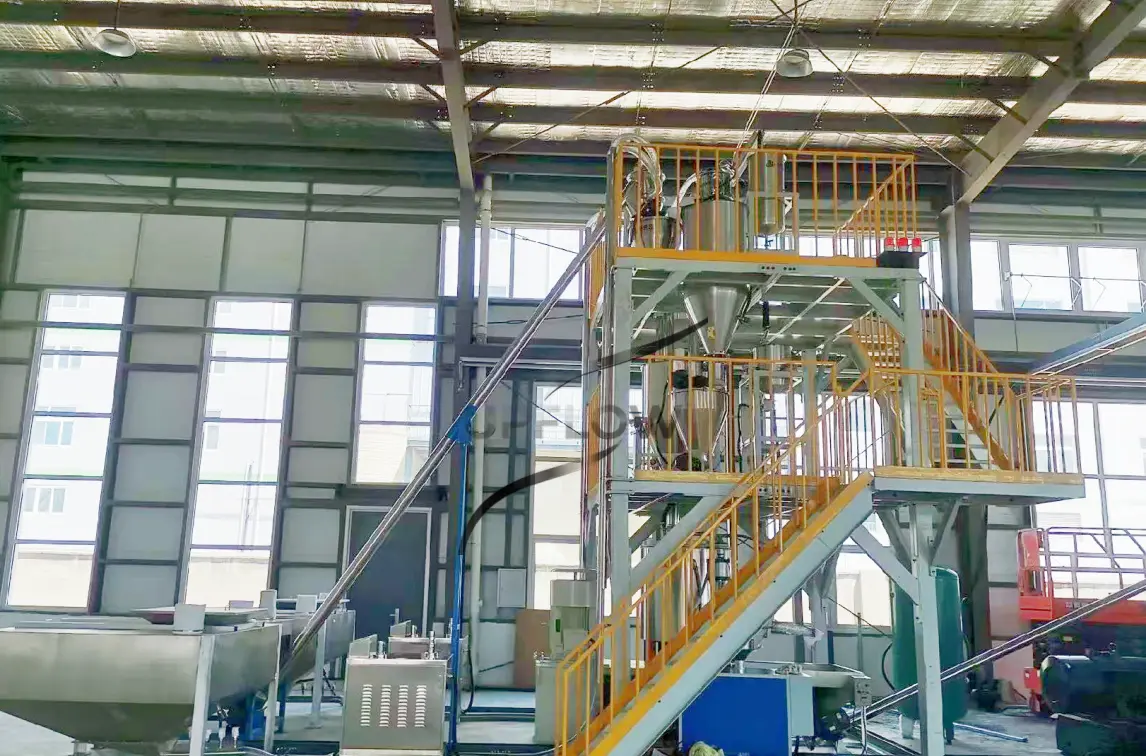
Silicon Dioxide is an important raw material and additive in modern industry, widely used in various fields such as glass manufacturing, ceramic production, building materials, and chemicals. With the continuous growth of production demands, the requirements for silica conveying solutions are also increasing, making efficient and safe silica conveying technology indispensable. Silica pneumatic conveying technology, with its superior performance and adaptability, has become the ideal choice for handling this critical material.
Physical Properties of Silica
Silica is a colorless and odorless solid substance with high chemical stability and high-temperature resistance. Its main physical properties include: 1. Strong resistance to acids and alkalis; 2. Good oxidation resistance; 3. Strong corrosion resistance; 4. Good thermal conductivity; 5. Good electrical insulation; 6. Strong radiation resistance.
1. Fine Particles and Poor Flowability: Silica often exists in fine powder form, which easily generates dust and causes blockages during conveying. Furthermore, its poor particle flowability often makes traditional conveying methods, such as belt conveyors or vibrating conveyors, unsuitable for efficient and stable conveying. The conveying characteristics of silica will be described more effectively in this context.
2.Chemical Inertness: Silica is highly inert to most chemicals and resistant to acid and alkali corrosion, making it suitable for conveying equipment in various industrial environments. This requires the conveying equipment to have sufficient corrosion resistance to prevent damage during transport, while also avoiding chemicals that are harmful to silica.
3.High-Temperature Stability: Silica remains stable at high temperatures, which presents a challenge for conveying in high-temperature environments. Pneumatic conveying systems need to have good high-temperature resistance to ensure stability and reliability under different operating conditions.
Advantages of Silicon Dioxide Pneumatic Conveying:
1.High Efficiency: Pneumatic conveying systems use airflow to transport silica from one point to another, allowing large quantities of material to be transported in a short time. Pneumatic conveying handles fine particulate materials faster than traditional conveying methods, reducing waiting time in the production process and thus increasing production efficiency.
2.Prevents Dust Pollution: Silica easily generates dust during transport. The pneumatic conveying system’s fully sealed design effectively prevents dust leakage.
3.High Adaptability: The pneumatic conveying system can flexibly adapt to different production line layouts, adjusting conveying speed and path as needed. It provides a stable and reliable solution for both long-distance and high-altitude transport.
4.Reduces Equipment Wear: Traditional conveying methods easily cause equipment wear when handling fine particulate materials. However, the pneumatic conveying system reduces direct contact between material and equipment by using airflow, thus reducing wear and maintenance costs. It can replace equipment that generates significant friction and wear during transport.
5.Environmental Protection and Safety: The closed design of the pneumatic conveying system effectively prevents silica dust diffusion, providing positive environmental and safety protection for the production environment. Furthermore, the system operates with low noise, contributing to a quieter working environment.
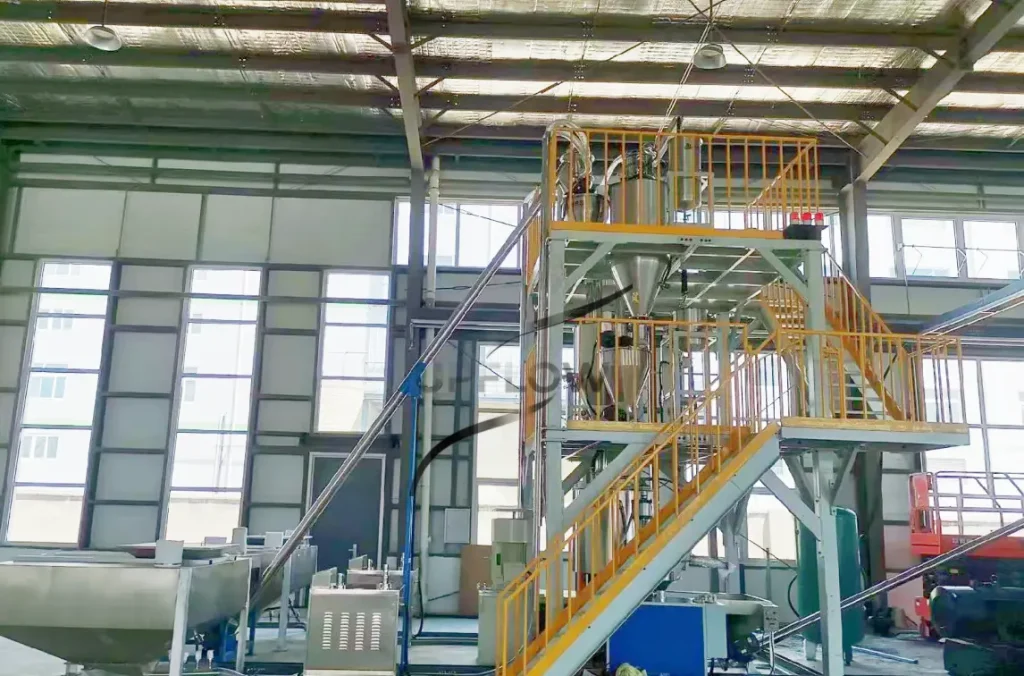
Application Scenarios and Future Prospects
1.Glass Manufacturing: Silica is a key raw material in glass production lines, and its efficient transport plays a crucial role in improving the overall efficiency of the production line. Using pneumatic conveying systems allows for effective control of silica supply, thereby improving the stability and quality of glass production.
2.Ceramic Production: Precise silica transport ensures effective control over the uniform proportioning of ceramic raw materials, resulting in higher product consistency and quality. Furthermore, pneumatic conveying systems reduce material loss and significantly lower production costs.
3.Building Materials: Silica is an important additive in the building materials industry. Its transport requires stability and high efficiency. Currently, pneumatic conveying systems are widely used, effectively improving the operational efficiency of the production process. It has wide applications in the building materials production field. Please feel free to ask any other questions about building materials.
4.Chemical Industry: In chemical production, precise silica transport is an essential process for ensuring product quality and improving production efficiency. The application of pneumatic conveying systems effectively improves the flexibility and reliability of chemical production lines.
Conclusion
The most prominent feature of pneumatic conveying of silica, based on its high efficiency, is that it provides an ideal conveying solution for modern industry. Whether in the glass manufacturing industry, ceramics manufacturing industry, or building materials and chemical industry, pneumatic conveying systems for silica can meet diverse needs, making the efficient conveying of silica one of its most significant advantages. Therefore, choosing pneumatic conveying technology for silica transport is one of the most environmentally friendly and safest ways to increase the efficiency of your production line.