
- admin
- Apr 9, 2026
- Screw Conveyor
Magnesium Carbonate Material Characteristics
Magnesium carbonate (chemical formula: MgCO₃), also known as magnesia carbonate, is a white, light and fine powder widely used in chemical, pharmaceutical, rubber, plastics, and refractory industries. It is typically handled in powder form with a bulk density of approximately 0.2–0.6 t/m³, depending on grade and processing method, and is characterized by low density, high specific surface area, and strong dusting tendency, which makes proper material handling particularly important in industrial applications.
Due to its fine particle size and lightweight nature, magnesium carbonate can easily become airborne during handling, and under humid conditions it may exhibit slight cohesion or agglomeration, affecting flowability and feeding stability. Therefore, selecting an appropriate conveying method, especially a magnesium carbonate pneumatic conveying system, is essential to ensure efficient, clean, and stable material transfer while maintaining product quality.
Common Conveying Methods for Magnesium Carbonate
The conveying of magnesium carbonate is typically divided into mechanical conveying and pneumatic conveying. Mechanical systems rely on equipment such as screw conveyors are mainly used for short distances and limited layouts, whereas pneumatic conveying uses airflow energy to transport materials through enclosed pipelines, making it a more advanced and flexible powder conveying system for magnesium carbonate that improves efficiency and reduces contamination.
Can Magnesium Carbonate Be Conveyed Pneumatically?
Magnesium carbonate is suitable for pneumatic conveying due to its fine particle size and relatively low density, but its strong dusting tendency and sensitivity to moisture require careful system design. A magnesium carbonate pneumatic conveying system uses compressed air or vacuum to move materials through pipelines and separate them at the receiving end, and depending on the process, it can operate under negative pressure, positive pressure, or combined modes, with dilute phase conveying commonly used for stable operation.
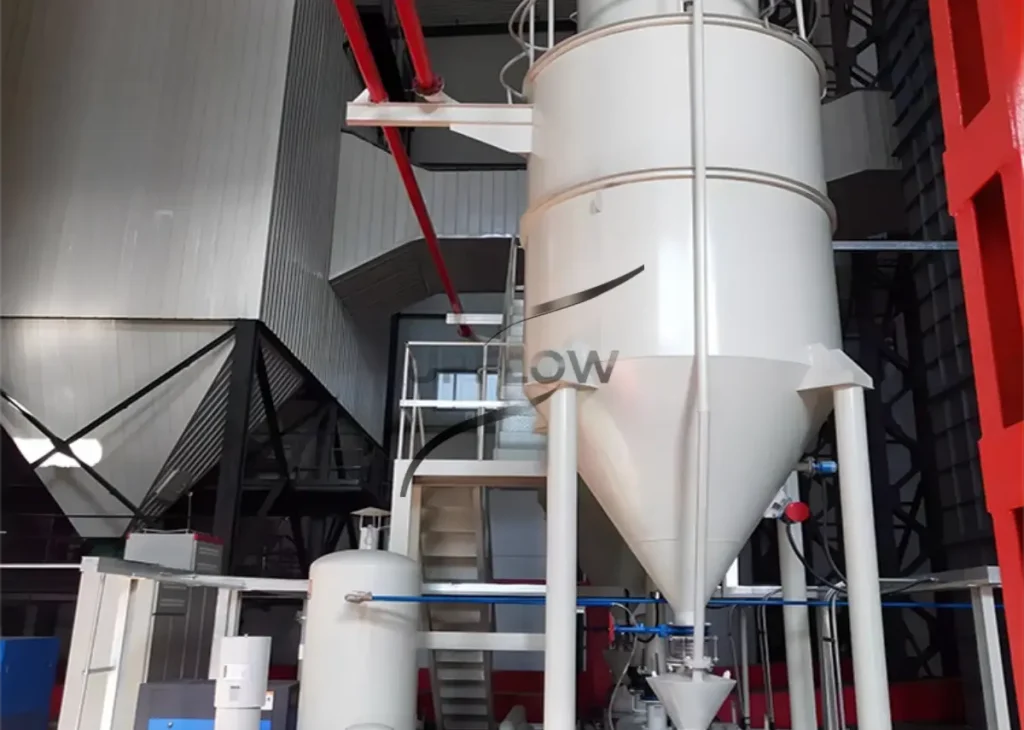
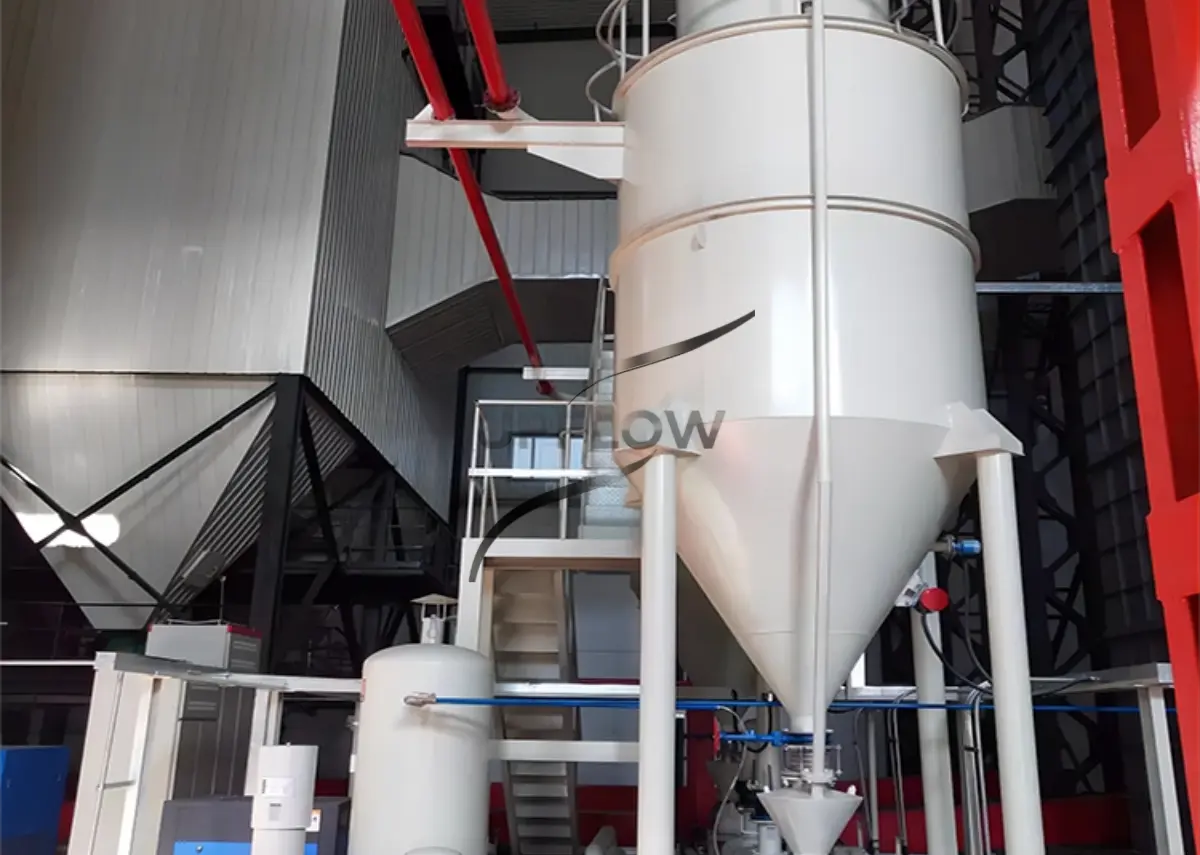
Magnesium Carbonate Pneumatic Conveying
A magnesium carbonate pneumatic conveying system enables efficient transport of powder materials through pipelines using airflow. This method supports continuous and automated conveying while maintaining stable performance, and it is widely used in chemical, pharmaceutical, and building material industries due to its ability to handle long distances and integrate with other process equipment.
Advantages of Magnesium Carbonate Pneumatic Conveying
A magnesium carbonate pneumatic conveying system offers several advantages, including high conveying efficiency and continuous operation, which help improve overall production performance. The enclosed pipeline design significantly reduces dust emissions and material loss, while the relatively simple system structure ensures easy maintenance and reliable operation, and with proper design, issues such as material buildup and blockage can be effectively minimized.
Key Considerations for System Design
When designing a magnesium carbonate conveying system, it is important to consider factors such as particle size, bulk density, moisture sensitivity, and flowability to ensure smooth conveying. In addition, proper control of conveying velocity, pipeline layout, and feeding stability is essential, while effective sealing and dust collection should be implemented to maintain environmental safety and product quality.
Overall, a magnesium carbonate pneumatic conveying system provides an efficient, clean, and reliable solution for powder handling, helping industries improve efficiency, reduce environmental impact, and achieve stable and automated production.