
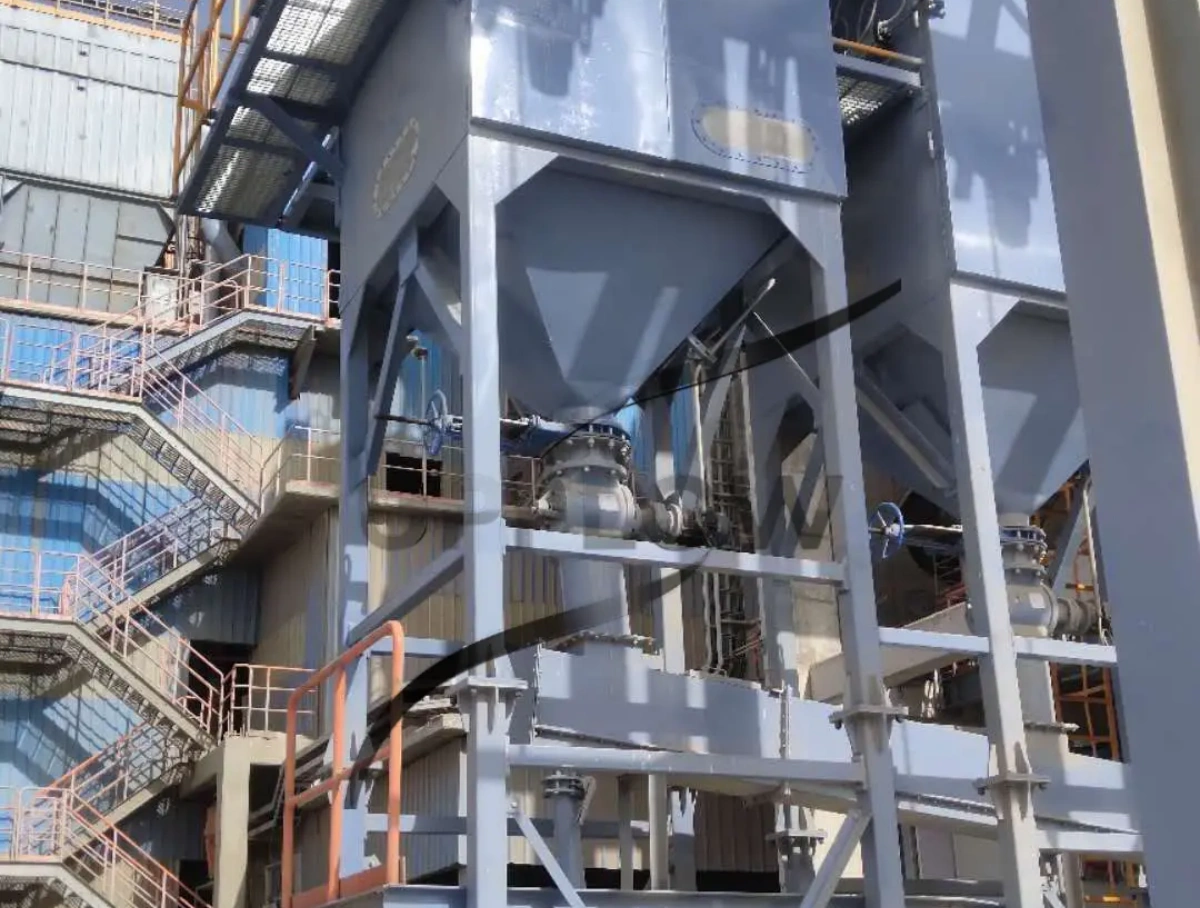
Introduction: High-Capacity Powder Handling in Modern Construction Industry
Pneumatic conveying systems for cement and building materials are widely used in modern industrial production, where large volumes of bulk powders must be transported efficiently, continuously, and with minimal environmental impact. As construction material plants expand in scale and automation level, traditional conveying methods are increasingly replaced by advanced enclosed conveying systems that ensure cleaner operation and higher process efficiency.
By utilizing airflow to move materials through sealed pipelines, these systems provide a reliable and flexible solution for handling cement and mineral powders, supporting modern production requirements in batching, mixing, and storage operations.
Material Characteristics of Cement and Building Material Powders
Designing pneumatic conveying systems for cement and building materials requires a thorough understanding of the physical characteristics of these materials, as their behavior directly impacts conveying performance and system design. Typical materials include cement powder, fly ash, limestone powder, silica fume, gypsum, and other mineral additives, most of which are fine, dense, and highly prone to dust generation.
Cement and similar powders generally have relatively high bulk density compared to other industrial powders, while still exhibiting strong fluidization behavior under airflow, which makes them suitable for pneumatic transport but also requires careful control of conveying velocity and pressure. Additionally, some materials may contain moisture or exhibit slight abrasiveness, which can influence pipeline wear and system stability in long-term operation.
Conveying Methods and System Selection
A pneumatic conveying system for cement and building materials can be configured using different conveying modes depending on production requirements, plant layout, and material characteristics. A dilute phase conveying system is often used for general applications where high conveying velocity is acceptable and large volumes need to be transported quickly, while a dense phase conveying system is preferred when reducing pipeline wear, minimizing dust generation, or handling abrasive materials is a priority.
For flexible plant operation, a negative pressure conveying system can be used for multi-point feeding and dust control, while a centralized feeding system allows materials to be distributed from a single storage location to multiple processing units, improving efficiency and simplifying plant layout.
System Structure and Functional Integration
A complete pneumatic conveying system for cement and building materials consists of several integrated components, including air supply units, feeding devices, pipeline networks, separation and filtration systems, and receiving units, all working together to ensure continuous and stable material transport. These systems are often integrated with silos, batching systems, and mixers to form a comprehensive material handling solution within the plant.
Through automation and control systems, material flow can be monitored and adjusted in real time, enabling precise and consistent feeding across different stages of production while reducing manual intervention and improving operational reliability.
High-Capacity and Long-Distance Conveying Performance
One of the key advantages of pneumatic conveying systems for cement and building materials is their ability to handle large volumes of material over long distances, making them ideal for large-scale industrial plants. These systems can transport materials both horizontally and vertically through complex pipeline networks, ensuring efficient material flow even in challenging plant layouts.
By optimizing airflow, pressure, and pipeline design, engineers can achieve high conveying capacity while maintaining stable operation, which is essential for continuous production processes in cement plants and concrete batching facilities.
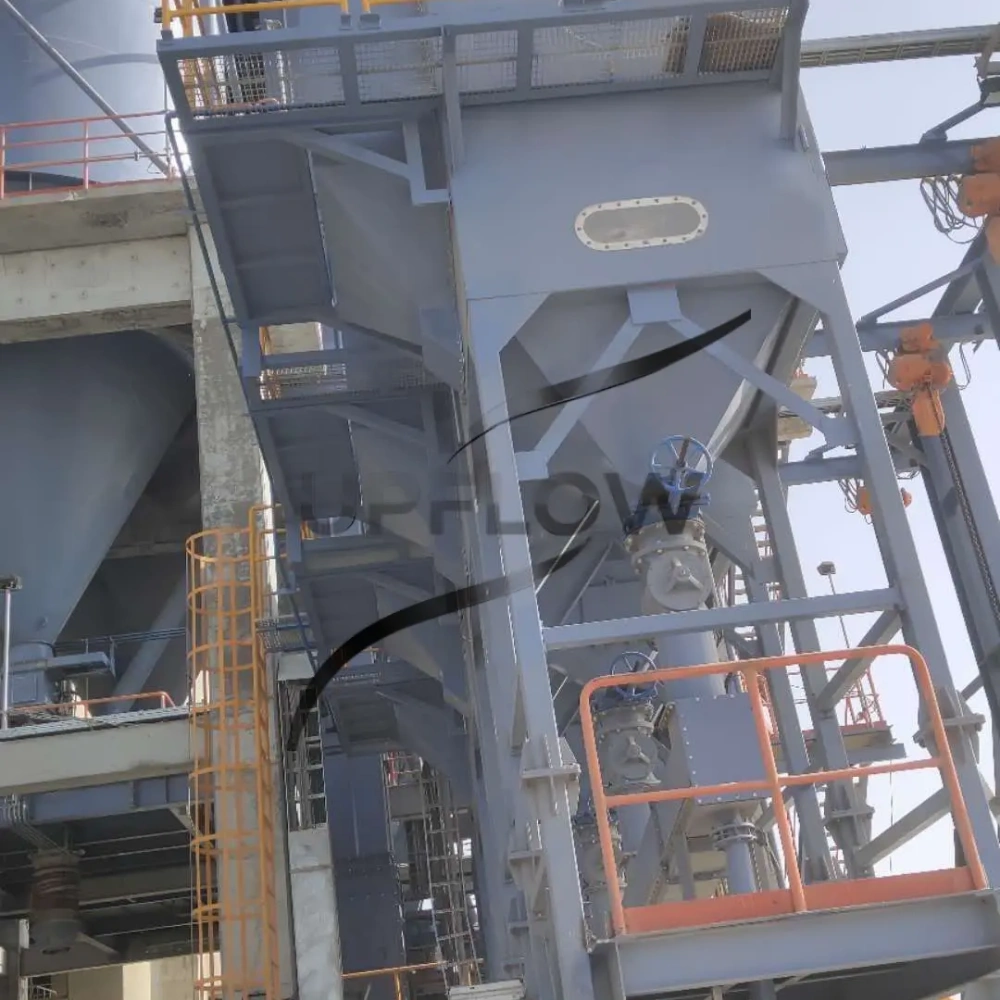
Dust Control and Environmental Performance
A major benefit of using pneumatic conveying systems for cement and building materials is the ability to achieve fully enclosed and dust-free conveying, which significantly reduces environmental pollution and improves workplace safety. Cement dust can pose serious health risks and must be carefully controlled, making enclosed conveying systems a critical requirement in modern plants.
High-efficiency filtration systems and sealed pipelines ensure that dust emissions are minimized, while maintaining compliance with environmental regulations and improving overall plant cleanliness.
Applications in Cement and Building Material Production
Pneumatic conveying systems for cement and building materials are widely used in cement manufacturing plants, concrete batching facilities, precast production lines, and mineral processing operations, where efficient and reliable powder handling is essential for maintaining production continuity and product quality. These systems enable seamless transfer of materials between storage, mixing, and packaging stages, supporting automated and large-scale production workflows.
Conclusion: A Core Solution for High-Efficiency Powder Handling
A well-designed pneumatic conveying system for cement and building materials provides a highly efficient, flexible, and environmentally friendly solution for handling bulk powders in modern industrial production, enabling manufacturers to improve efficiency, reduce material loss, and maintain consistent product quality. By selecting the appropriate conveying method and system configuration, companies can achieve reliable and scalable material handling solutions that meet the demands of today’s construction industry.