
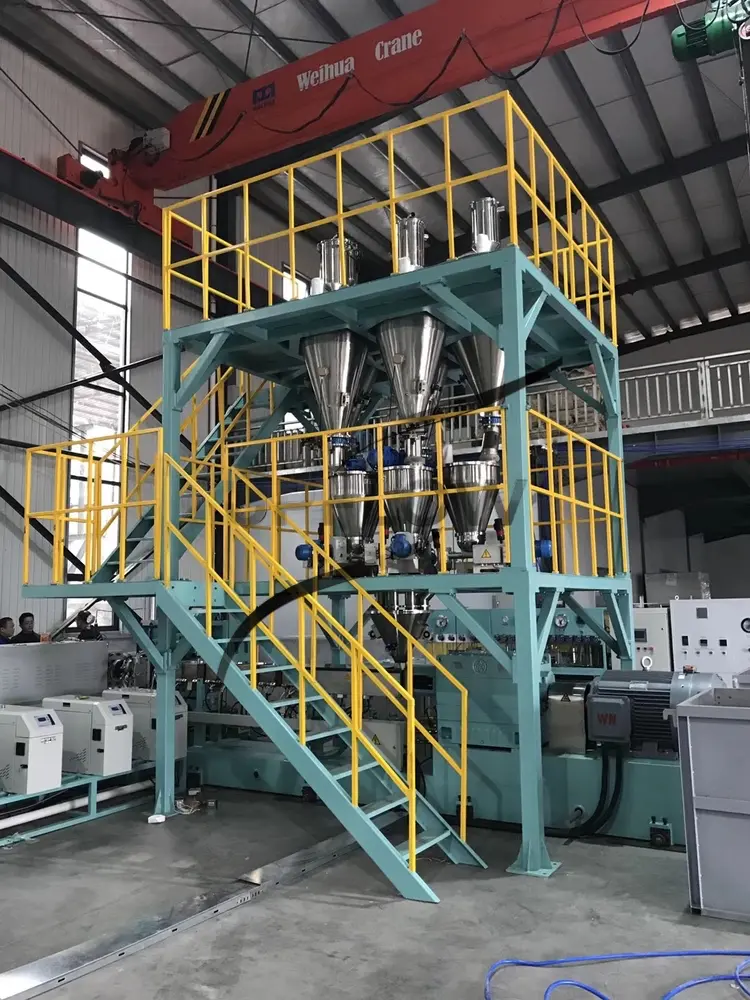
In modern plastics manufacturing, efficient and clean material handling plays a crucial role in maintaining production efficiency and product quality. From resin production to pellet processing and packaging, large volumes of materials must be transferred quickly and reliably between different stages of production. A pneumatic conveying system for plastic pellets and resin has become one of the most effective solutions for handling these materials.
A pneumatic conveying system uses airflow as the driving force to transport powders or granular materials through enclosed pipelines. This technology is widely used in plastic processing plants because it allows resin pellets, PVC powder, polyethylene particles, and other bulk materials to be moved efficiently over long distances while maintaining a clean and automated production environment.
Compared with traditional mechanical conveying equipment, pneumatic conveying systems offer greater flexibility, improved cleanliness, and higher levels of automation. These advantages make them an ideal choice for modern plastic production facilities.
Why the Plastics Industry Uses Pneumatic Conveying Systems
Plastic processing facilities require reliable systems to move raw materials between storage silos, extruders, dryers, mixers, and packaging equipment. A pneumatic conveying system for plastic pellets ensures that these materials are transported safely and efficiently without contamination.
One major advantage of pneumatic conveying is the enclosed pipeline design. Since plastic pellets and resin powders move through sealed pipelines, the risk of material leakage, dust emission, and environmental contamination is significantly reduced. This is especially important in facilities handling fine resin powders or lightweight pellets.
Another important benefit is flexibility. Conveying pipelines can be routed vertically, horizontally, or around existing equipment, allowing engineers to design highly efficient production layouts. This flexibility enables factories to optimize floor space while maintaining smooth material flow between production stages.
Pneumatic conveying systems also support automated operations. Through sensors and PLC-based control systems, manufacturers can monitor airflow, pressure, and material flow rate in real time. These intelligent control systems help maintain stable production and reduce downtime.
For a deeper understanding of system operation, you can read our guide on What Is a Pneumatic Conveying System and How Does It Work, which explains the basic working principles and advantages of pneumatic conveying technology.
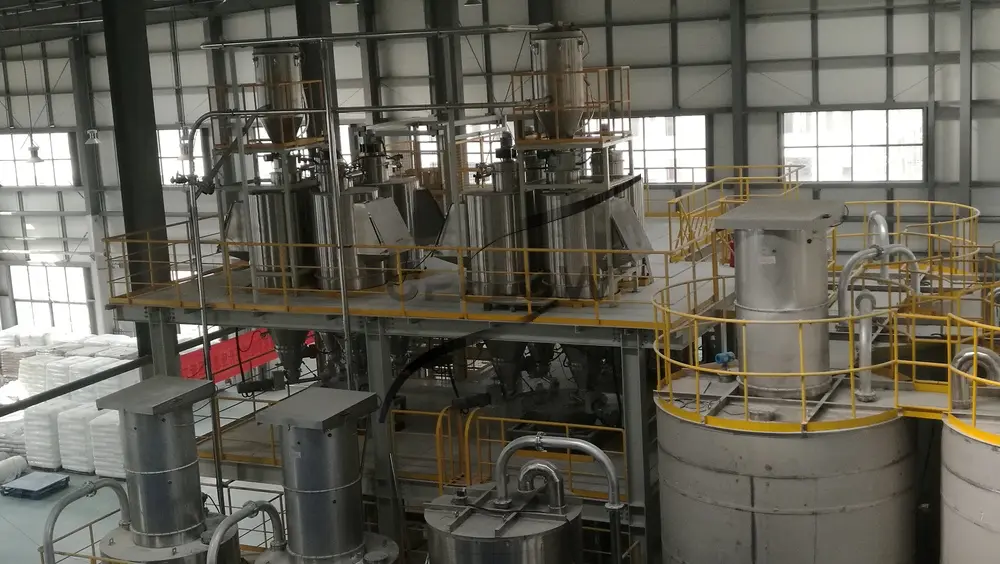
How Pneumatic Conveying Systems Transport Plastic Pellets and Resin
A typical resin pneumatic conveying system works based on the principle of gas-solid two-phase flow. Compressed air or vacuum pressure creates a controlled airflow inside a pipeline, allowing plastic particles to move with the air stream.
The process generally follows several steps:
1.Air Supply Generation
The system begins with an air source such as a roots blower, air compressor, or vacuum pump. This device generates the airflow needed to transport materials through the pipeline.
2.Material Feeding
Plastic pellets or resin powder are introduced into the pipeline through a feeding device such as a rotary valve, screw feeder, or venturi injector. These devices ensure a stable and controlled material supply.
3.Pipeline Transport
Once inside the pipeline, the material is suspended in the airflow and transported to the destination point. Depending on the process design, this can involve horizontal transport, vertical lifting, or complex routing around equipment.
4.Material Separation
At the destination point, a separation unit such as a cyclone separator or filter receiver separates the material from the conveying air. The plastic pellets are then discharged into storage silos, dryers, extruders, or packaging equipment.
For more details about system structure, you can explore our article on Key Components of a Pneumatic Conveying System, which explains the roles of blowers, feeders, pipelines, separators, and control units.
Key Advantages of Pneumatic Conveying for Plastic Pellets
1. Clean and Dust-Free Material Transport
Plastic processing often involves fine powders such as PVC resin or polyethylene powder. Traditional mechanical conveying systems may cause dust emissions during handling. Pneumatic conveying systems transport materials inside sealed pipelines, preventing dust leakage and improving workplace cleanliness.
This design also reduces the risk of contamination, ensuring consistent product quality.
2. High Efficiency and Continuous Production
A plastic pellet pneumatic conveying system allows materials to move continuously between processing stages without interrupting the production line. This ensures that extruders, mixers, and packaging machines receive a steady supply of raw materials.
Continuous conveying reduces idle time and increases the overall productivity of the manufacturing process.
3. Flexible Plant Layout
One of the biggest advantages of pneumatic conveying systems is the flexibility of pipeline routing. Pipes can be installed overhead, along walls, or through multiple floors, making it easier to integrate the system into existing production facilities.
This flexibility is especially useful in large plastic manufacturing plants where equipment is distributed across multiple areas.
4. High Level of Automation
Modern conveying systems can be integrated with centralized control systems. Sensors continuously monitor pressure, airflow velocity, and material flow rates. Operators can adjust system parameters remotely to maintain optimal performance.
Automation also helps reduce labor costs while improving operational reliability.
5. Long-Distance Material Transport
Plastic pellet conveying systems are capable of transporting materials across long distances, sometimes hundreds of meters, without significant loss of efficiency. This makes them ideal for large production facilities where materials must move between multiple processing areas.
If you are interested in optimizing system performance, our article on How to Improve Pneumatic Conveying Efficiency provides additional insights into airflow control, pipeline design, and system optimization.
Applications of Pneumatic Conveying in the Plastics Industry
A pneumatic conveying system for resin and plastic pellets is widely used throughout the plastics manufacturing process.
Raw Material Handling
Resin pellets such as polyethylene (PE), polypropylene (PP), and PVC powder are transported from storage silos to processing equipment.
Feeding Extrusion Lines
Plastic pellets must be continuously fed into extruders during the production of films, pipes, and plastic products. Pneumatic conveying systems ensure a stable supply of materials.
Material Transfer Between Processes
In plastic processing plants, materials often move between multiple stages such as drying, mixing, compounding, and pelletizing. Pneumatic conveying enables efficient transfer between these stages.
For PET resin, review the transfer route before and after drying separately. Our PET pellet conveying system guide covers resin-grade information, conveying-air condition and the interfaces with drying and processing equipment.
Packaging and Storage
After processing, finished pellets can be conveyed to packaging machines or storage silos using pneumatic pipelines.
System Design Considerations for Plastic Pellet Conveying
Designing a reliable pneumatic conveying system requires careful consideration of several factors.
Material properties such as particle size, bulk density, and moisture content influence airflow velocity and pipeline design. For example, lightweight plastic pellets require different airflow conditions compared with fine resin powders.
Pipeline layout must minimize sharp bends and unnecessary length to reduce pressure losses and improve conveying efficiency. Engineers typically select pipe diameters and airflow speeds based on the required conveying capacity and distance.
Dust collection systems are also important. Even though the system is enclosed, filters and dust collectors ensure that any airborne particles are safely captured before air is released back into the environment.
Finally, modern systems include intelligent control units that allow operators to monitor performance, detect potential blockages, and adjust operating conditions automatically.
Conclusion
As the plastics industry continues to move toward higher levels of automation and efficiency, pneumatic conveying systems for plastic pellets and resin have become essential equipment in modern manufacturing plants. These systems provide clean, efficient, and flexible solutions for transporting bulk plastic materials across different production stages.
With advantages such as enclosed transport, long-distance conveying capability, automated control, and reduced dust emissions, pneumatic conveying systems significantly improve production efficiency while maintaining high product quality.
Whether used for polyethylene powder, PVC resin, or plastic pellets, pneumatic conveying technology offers a reliable solution for modern plastic processing facilities.
Looking for a reliable pneumatic conveying system for plastic pellets or resin materials?
UPFLOW provides customized pneumatic conveying solutions designed for plastic processing plants, resin production lines, and bulk material handling systems.
Our engineering team can design systems for long-distance conveying, automated material feeding, and dust-free production environments.
Contact UPFLOW today to discuss your project requirements and receive a customized solution.