
- admin
- Sep 3, 2026
- Custom Fabrication
From Engineering Drawing to Finished Stainless Steel Product
For equipment manufacturers, engineering companies, and industrial OEMs, a successful fabrication project involves far more than cutting and welding stainless steel, because the final product must accurately reflect the engineering design while meeting requirements for dimensions, structural strength, surface quality, assembly, and long-term application. Stainless steel custom fabrication provides manufacturers with a practical way to transform engineering drawings, three-dimensional models, prototypes, or physical samples into finished components and equipment that are ready for integration into larger industrial systems.
Unlike standard stainless steel products that are manufactured according to fixed specifications, custom fabricated products are developed around the specific requirements of each project, which means that material selection, sheet thickness, dimensions, connection methods, welding requirements, machining tolerances, surface treatment, and final assembly can all be adjusted according to the customer’s application.
For OEM customers, this flexibility is particularly important because many industrial machines and systems require components that cannot be purchased directly from standard catalogs. A reliable fabrication partner should therefore be able to understand engineering documentation, review manufacturability, communicate technical details with the customer, and provide consistent production from prototype quantities through repeat orders.
Step 1: Reviewing Engineering Drawings and Technical Requirements
The first stage of a professional fabrication project begins before any material is cut. After receiving an engineering drawing, CAD file, 3D model, sample, or technical specification from the customer, the fabrication manufacturer needs to review the available information carefully to determine whether the proposed design can be manufactured efficiently and accurately.
During this stage, engineers may evaluate overall dimensions, material specifications, sheet thickness, hole positions, bending locations, welding areas, tolerances, mounting points, surface requirements, and assembly interfaces. If the component is designed to work with another machine or system, the manufacturer should also consider how the fabricated part will connect with surrounding components.
This engineering review is an important part of stainless steel custom fabrication because a design that looks correct on a drawing may still require manufacturing adjustments, particularly when it contains complicated bends, narrow tolerances, difficult welding positions, or complex assemblies.
For OEM projects, early communication between the customer and fabrication manufacturer can help identify potential manufacturing problems before production begins, reducing unnecessary material waste, production delays, and modification costs.
Step 2: Selecting the Appropriate Stainless Steel Material
Material selection is another important consideration because different stainless steel grades provide different combinations of corrosion resistance, mechanical properties, appearance, weldability, and cost.
Stainless steel 304 is widely used for general industrial fabrication because it offers good corrosion resistance and relatively good formability, while stainless steel 316 can be considered when improved resistance to certain corrosive environments is required. Depending on the application, customers may also specify other stainless steel grades or alternative materials such as carbon steel, galvanized steel, or aluminum.
The correct material should therefore be selected according to the actual operating environment rather than simply choosing the most commonly used grade.
For example, an equipment enclosure used indoors may have very different material requirements from a tank exposed to moisture or a structural component installed in a demanding industrial environment. In stainless steel custom fabrication, material selection should therefore be considered together with the product’s intended application, operating conditions, required service life, and budget.
Step 3: Cutting, Forming, and Precision Fabrication
Once the drawings and material specifications have been confirmed, the production process can begin with material preparation and cutting.
Depending on the product design and material thickness, stainless steel sheets, plates, tubes, or other profiles can be processed using suitable cutting methods to achieve the required dimensions and geometry. Precision cutting is particularly important for components that contain multiple holes, mounting points, bends, or interfaces with other manufactured parts.
After cutting, sheet metal components may undergo bending or forming to create the required three-dimensional structure. Accurate bending requires proper control of dimensions, bend positions, tooling, and material behavior because even small deviations can influence the final assembly.
For products such as equipment enclosures, machine frames, server chassis, support structures, and custom OEM components, the relationship between cutting and forming accuracy can directly affect whether the finished part fits correctly during assembly.
This is why stainless steel custom fabrication should be treated as an integrated manufacturing process rather than a collection of independent operations.
Step 4: Welding and Structural Assembly
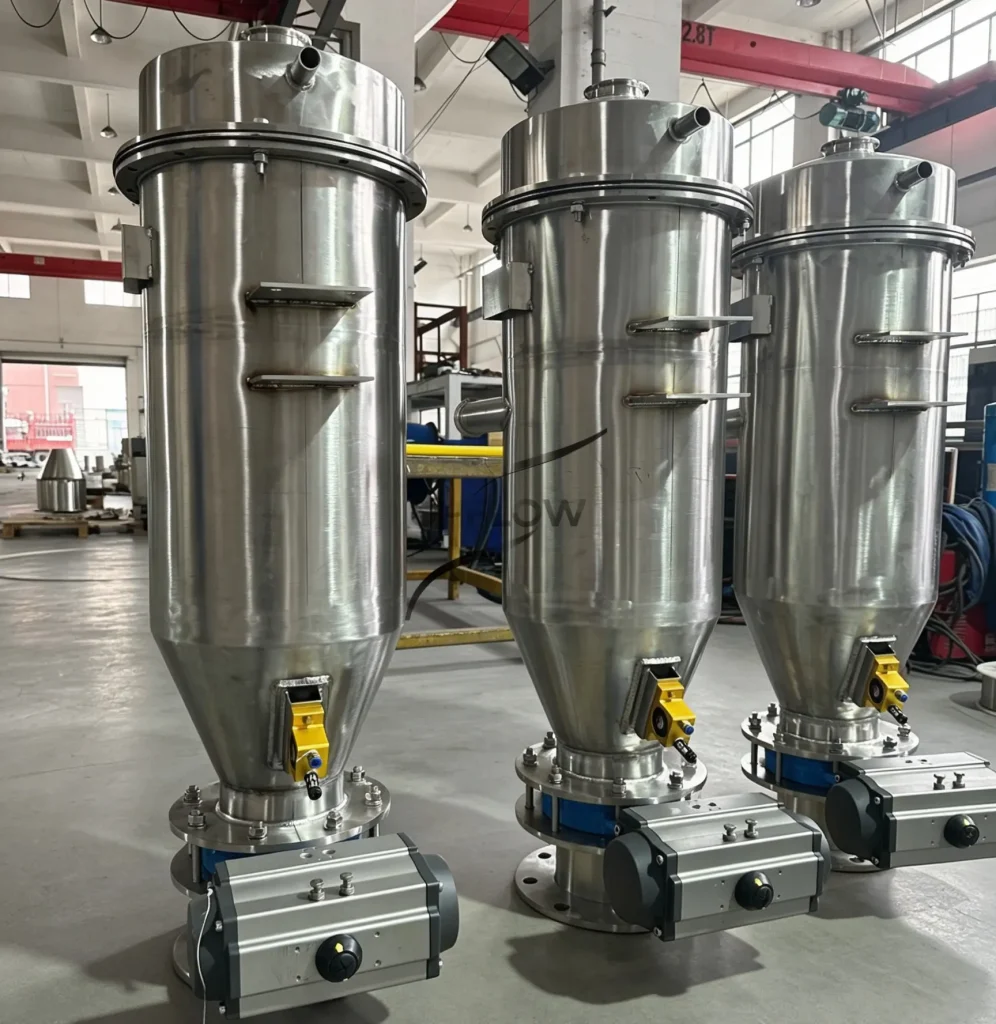
Welding is often one of the most important stages when manufacturing stainless steel equipment, frames, enclosures, tanks, and other fabricated structures.
Depending on the product requirements, welding may be used to join sheets, tubes, plates, brackets, structural members, or other components into a complete assembly. The welding method and procedure should be selected according to the material, thickness, joint configuration, appearance requirements, and intended application.
Good welding is not simply about creating a strong joint; controlling distortion and maintaining dimensional accuracy are equally important, particularly for large enclosures, machine frames, tanks, and precision assemblies.
After welding, the fabricated component may require grinding, deburring, cleaning, or additional machining to achieve the required appearance and dimensional condition.
For OEM equipment manufacturers, consistent welding quality is especially valuable because fabricated components often need to be installed directly into production equipment, meaning that dimensional deviations can create problems during final assembly.
Step 5: Machining and Secondary Processing
Some custom fabricated products require additional machining after cutting, forming, or welding.
Machining may be used to create precision holes, threaded features, mounting surfaces, slots, connection points, or other details that cannot be produced efficiently through sheet metal fabrication alone.
For example, an OEM equipment component may require several mounting holes to align with an existing machine, while a custom enclosure may need accurately positioned openings for electrical components, cables, displays, fans, or control interfaces.
Combining fabrication and machining within the same production workflow can simplify supplier coordination and reduce the number of separate manufacturing steps required by the customer.
This integrated approach is particularly useful for customers purchasing stainless steel custom fabrication components for industrial machinery, because the finished product can be manufactured according to the actual assembly requirements rather than treated as an isolated metal part.
Step 6: Surface Finishing for Appearance and Protection
After fabrication and machining are completed, the product may require surface finishing according to the application and customer requirements.
Common finishing methods include grinding, brushing, polishing, sandblasting, painting, and powder coating, with the appropriate method depending on the material, product design, environmental conditions, and desired appearance.
For stainless steel products where the natural metallic appearance is important, brushing or polishing may be selected, while powder coating or painting can provide additional color options and a protective surface for suitable applications.
Surface finishing is particularly important for visible components such as AI server chassis, equipment enclosures, robot housings, control cabinets, workstations, and other industrial products where appearance and surface consistency can influence the perceived quality of the finished equipment.
A complete stainless steel custom fabrication service should therefore consider surface treatment as part of the manufacturing process rather than as an unrelated final step.
Step 7: Inspection and Quality Control
Before a fabricated product is delivered, inspection should be performed according to the requirements established during the engineering and quotation stages.
Typical quality checks may include dimensional inspection, visual inspection, weld inspection, hole and opening verification, surface quality inspection, and assembly checks where applicable.
For products manufactured according to customer drawings, dimensional accuracy is particularly important because the component may need to connect directly with other equipment or assemblies.
A professional manufacturer should maintain clear communication between engineering, production, quality control, and the customer so that important technical requirements are understood consistently throughout the project.
For repeat OEM orders, maintaining consistent quality from one production batch to another is equally important, because the customer may integrate the same fabricated component into multiple machines or production lines.
From Prototype to Repeat OEM Production
One of the major advantages of working with a custom fabrication manufacturer is the ability to support different production stages as a product develops.
A new project may begin with a single prototype used to verify dimensions, appearance, assembly, or functionality. After the design has been approved, production can then move into small-batch manufacturing and eventually into repeat or higher-volume production.
During this process, feedback from prototype manufacturing can sometimes identify opportunities to improve the design, simplify fabrication, reduce unnecessary operations, or improve assembly efficiency.
For equipment manufacturers, this makes stainless steel custom fabrication particularly suitable for projects where product designs are customized, frequently updated, or produced in different quantities over time.
Instead of purchasing separate services for engineering review, sheet metal processing, welding, machining, finishing, and assembly, OEM customers can work with one manufacturing partner that coordinates the major stages of production.
Custom Fabrication for Industrial and OEM Applications
Custom stainless steel fabrication can be applied across a wide range of industrial equipment and manufacturing projects.
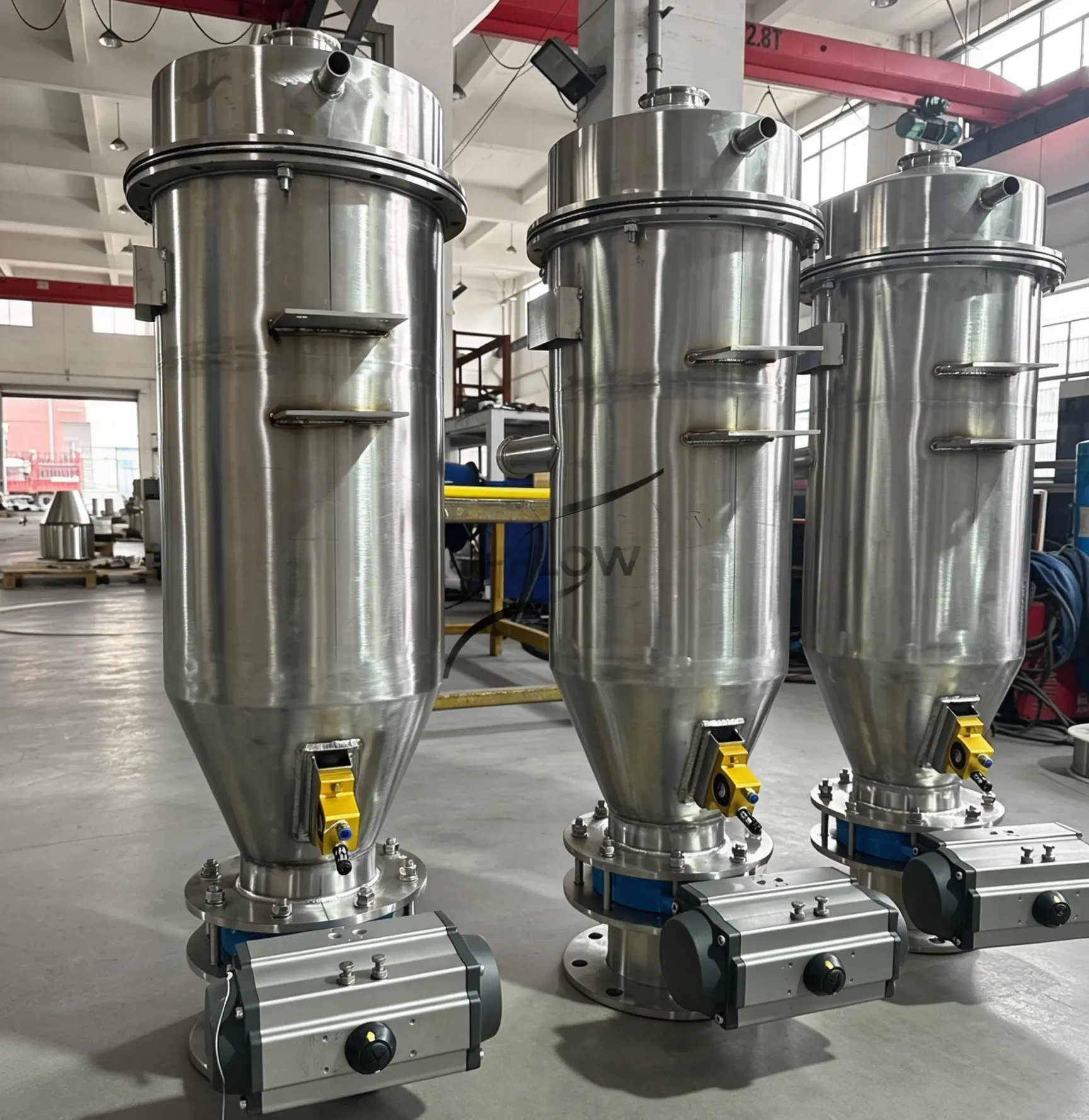
Typical products include equipment enclosures, electrical cabinets, machine frames, support structures, stainless steel tanks, powder storage tanks, silos, server chassis, robot housings, brackets, custom OEM parts, and complete fabricated equipment.
For AI and data center applications, precision fabrication can be used to manufacture server chassis, equipment housings, brackets, cable management components, and other structural parts. For industrial equipment manufacturers, custom fabrication can support the production of machine frames, protective enclosures, tanks, storage structures, and equipment assemblies.
The common requirement across these applications is that the product must be manufactured according to a specific engineering requirement rather than a standard off-the-shelf specification.
Choosing the Right Custom Fabrication Partner
Choosing a fabrication supplier should involve more than comparing the unit price of a finished component.
OEM customers should consider whether the manufacturer can understand technical drawings, provide engineering feedback, control material quality, maintain dimensional consistency, manage welding and finishing processes, and support repeat production.
Communication is also critical because custom projects often involve technical details that need to be confirmed before production begins. A manufacturer that can clearly communicate about drawings, materials, tolerances, production methods, surface treatment, packaging, and delivery requirements can help reduce misunderstandings throughout the project.
For long-term OEM cooperation, production consistency and communication are often just as important as the initial quotation.
Why a Complete Fabrication Process Matters
A finished stainless steel component represents the result of many interconnected manufacturing stages, beginning with engineering documentation and continuing through material selection, cutting, forming, welding, machining, surface finishing, inspection, and delivery.
If one stage is poorly controlled, it can affect the following stages and ultimately influence the performance, appearance, assembly, and service life of the finished product.
For this reason, choosing an experienced stainless steel custom fabrication manufacturer can provide value beyond the fabrication of individual metal components. A capable manufacturing partner can help customers transform engineering concepts into practical products while coordinating multiple production processes within one supply chain.
For OEM equipment manufacturers looking for a long-term fabrication partner, UPFLOW provides custom manufacturing solutions for stainless steel components, equipment structures, enclosures, tanks, OEM parts, and fabricated equipment according to customer drawings and project requirements.
Have a drawing, sample, or custom fabrication requirement? Send your project details to UPFLOW for engineering review and a quotation.