
- admin
- Sep 14, 2026
- Custom Fabrication
In today’s competitive industrial market, OEM equipment manufacturers need more than reliable designs; they also require flexible manufacturing partners who can provide accurate, consistent, and application-specific components. From equipment enclosures and machine frames to stainless steel parts, tanks, brackets, and structural assemblies, custom fabrication plays an important role in helping OEM companies transform engineering concepts into finished products.
Unlike standard suppliers that provide only fixed components, a professional fabrication partner can support OEM manufacturers with customized solutions based on drawings, specifications, production requirements, and equipment applications. Understanding How Custom Fabrication Supports OEM Equipment Manufacturers helps companies identify opportunities to improve product quality, simplify supply chains, and accelerate equipment development.
The Role of Custom Fabrication in OEM Manufacturing
OEM equipment manufacturers often develop specialized machines that require components designed around unique technical requirements.
Standard parts may be suitable for general applications, but many industrial systems require customized dimensions, special materials, specific mounting positions, or integrated structural solutions.
Custom fabrication allows OEM companies to outsource the production of metal components while maintaining control over their equipment design. Instead of investing in additional manufacturing resources, OEM manufacturers can work with experienced suppliers that already have the necessary fabrication capabilities.
This cooperation model enables companies to focus on engineering development, system integration, and customer solutions while relying on professional manufacturers for component production.
Supporting Product Development and Engineering Design
One of the biggest advantages of working with a custom fabrication supplier is early involvement during product development.
OEM companies often begin with engineering drawings, prototypes, or conceptual designs that require manufacturing evaluation before production.
An experienced fabrication partner can review designs, identify potential manufacturing challenges, recommend suitable materials, and suggest improvements that help reduce production difficulties.
This collaboration between engineers and fabricators improves communication and allows products to move from design stage to production more efficiently.
For OEM manufacturers, custom fabrication supports OEM equipment manufacturers by connecting engineering concepts with practical manufacturing solutions.
Producing Customized Equipment Components
Industrial equipment often requires many different fabricated components, including:
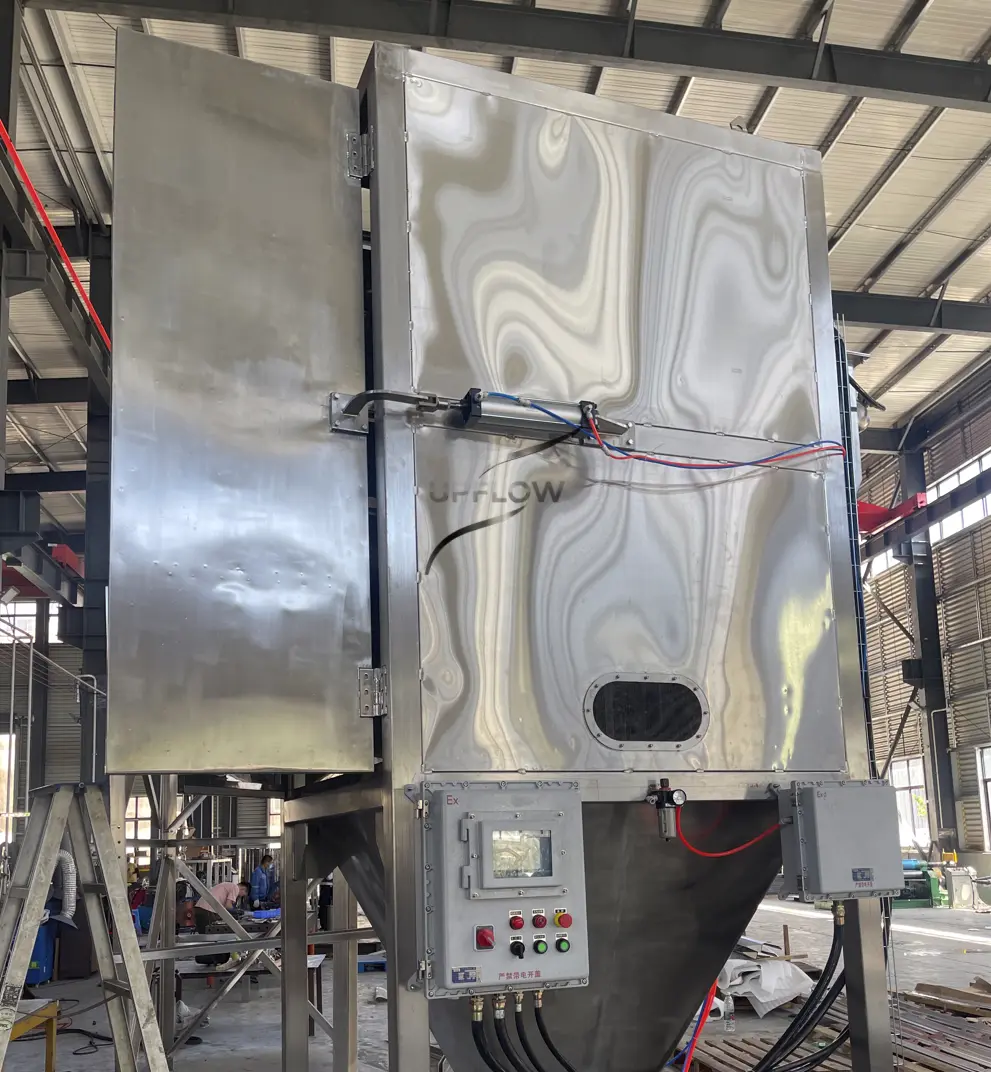
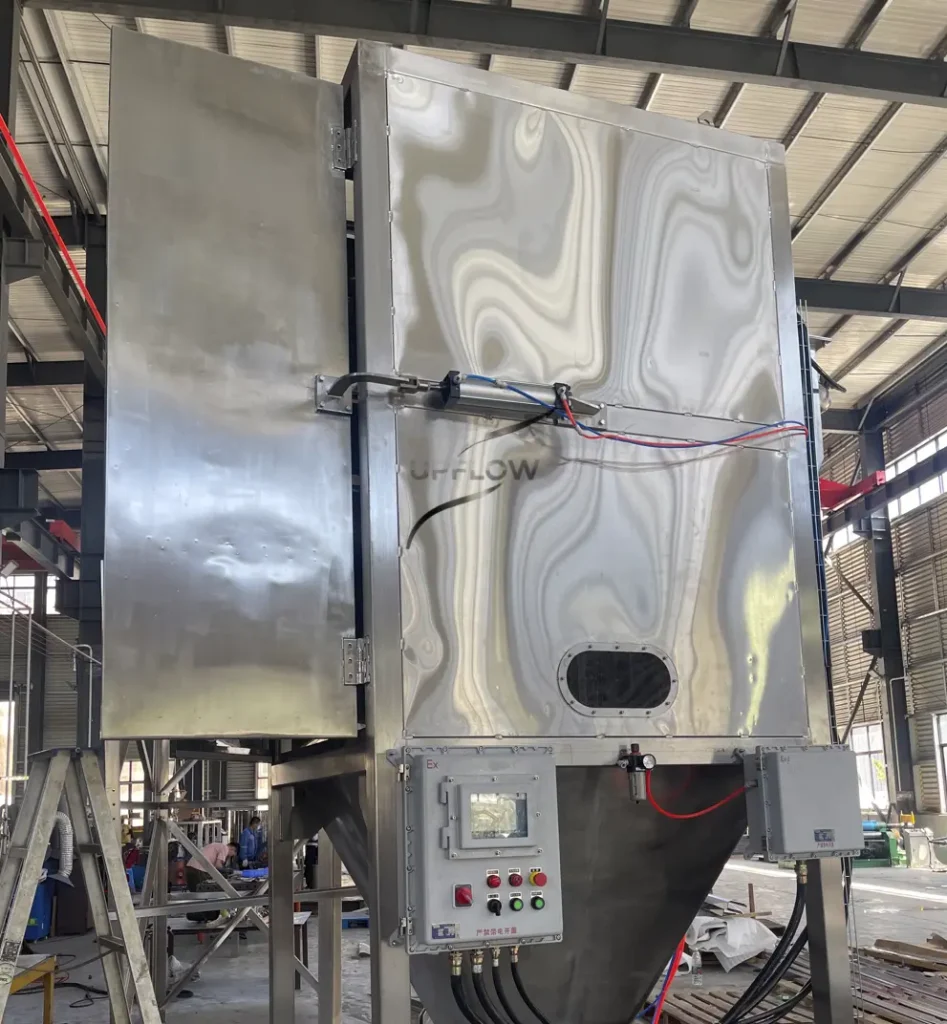
Equipment enclosures
Machine frames
Support structures
Stainless steel parts
Brackets and mounting components
Tanks and silos
Custom housings
Sheet metal assemblies
Each component may have different requirements regarding material, dimensions, surface treatment, and manufacturing process.
A capable fabrication supplier can provide multiple processes under one production system, including laser cutting, bending, welding, machining, finishing, and assembly.
This integrated approach reduces the need for OEM companies to manage multiple suppliers for different components.
Improving Manufacturing Flexibility
OEM equipment manufacturers frequently produce customized machines or equipment with different specifications depending on customer requirements.
Because of this, flexibility is essential.
Custom fabrication allows manufacturers to produce small batches, prototypes, replacement components, and repeat production parts without being limited by standard product designs.
This is especially valuable for industries such as automation, chemical processing, food equipment, energy systems, and industrial machinery where equipment designs are often customized.
Compared with traditional mass production, flexible fabrication provides OEM companies with greater control over product development and manufacturing changes.
Material Selection and Application-Specific Solutions
Different equipment applications require different material characteristics.
For example, stainless steel may be selected for corrosion resistance, durability, and appearance, while carbon steel may provide strength and cost advantages for structural applications.
A professional fabrication supplier can help OEM manufacturers select suitable materials according to operating environment, equipment function, cleaning requirements, and expected service life.
When developing industrial equipment, choosing the correct material is not only about reducing initial cost but also about improving long-term reliability.
This is another reason why How Custom Fabrication Supports OEM Equipment Manufacturers has become an important consideration for companies developing specialized products.
Maintaining Quality and Production Consistency
For OEM companies, component quality directly affects the performance and reputation of their final equipment.
A fabrication partner should maintain consistent manufacturing standards through controlled processes, accurate measurements, material management, welding procedures, and inspection systems.
Consistency becomes especially important when OEM customers require repeat production over multiple years.
A reliable supplier should be able to produce the same component quality across different production batches while supporting design updates and product improvements.
Reducing Supply Chain Complexity
Managing multiple suppliers for different components can increase communication costs, delivery risks, and quality control challenges.
Working with a comprehensive custom fabrication supplier allows OEM companies to simplify their supply chain by combining several manufacturing processes through one partner.
For example, a single supplier may provide:
Sheet metal fabrication
Stainless steel processing
Welding
Surface finishing
Assembly services
This integrated manufacturing approach improves efficiency and allows OEM companies to spend more time focusing on their core products and customers.
Supporting Prototypes and Low-Volume Production
Many OEM manufacturers require prototype parts before launching full production.
Custom fabrication is particularly suitable for prototype development because components can be produced according to engineering drawings without requiring expensive tooling.
After prototype validation, the same fabrication process can often be adapted for small-batch and repeat production.
This flexibility allows OEM companies to test new designs, improve products, and respond quickly to market requirements.
Applications of Custom Fabrication for OEM Manufacturers
Custom fabrication supports a wide range of OEM industries, including:
Industrial automation equipment
Material handling systems
Chemical processing equipment
AI and data center hardware
Food processing machinery
Packaging equipment
Customized production systems
In each application, fabricated components become an important part of the final equipment solution.
The ability to manufacture precise, reliable, and application-specific components gives OEM companies a competitive advantage in specialized markets.
Choosing the Right Custom Fabrication Partner
Selecting a fabrication supplier requires evaluating more than manufacturing price.
OEM manufacturers should consider:
Engineering communication ability
Fabrication experience
Material knowledge
Production equipment
Quality control procedures
Surface treatment capability
Ability to support long-term cooperation
A strong fabrication partner should understand that OEM projects require reliability, confidentiality, consistent quality, and continuous improvement.
For long-term cooperation, manufacturing capability and communication efficiency are often more valuable than choosing the lowest-cost supplier.
Conclusion
Custom fabrication has become an essential manufacturing solution for OEM equipment manufacturers because it provides flexibility, technical support, and customized production capabilities.
By working with an experienced fabrication supplier, OEM companies can develop specialized equipment components, improve product quality, reduce supply chain complexity, and accelerate new product development.
Understanding How Custom Fabrication Supports OEM Equipment Manufacturers allows companies to make better decisions when selecting manufacturing partners for industrial equipment projects.
UPFLOW provides custom fabrication solutions including stainless steel components, equipment enclosures, machine frames, tanks, silos, AI server chassis, and OEM fabricated parts according to customer drawings and project requirements.
If you are an OEM equipment manufacturer looking for a reliable fabrication partner, contact UPFLOW for engineering review and customized manufacturing support.