
Material Profile: Properties and Types of Iron Powder
Iron powder, also known as reduced iron powder, metal powder, or Fe powder, is widely used in industries such as powder metallurgy, welding materials, magnetic materials, and chemical processing. It is typically handled as a fine or granular powder, with a bulk density ranging from approximately 2.5 to 4.0 g/cm³, depending on particle size and compaction.
Iron powder is characterized by high density, good flowability, magnetic properties, and moderate abrasiveness, while fine particles may generate dust and pose oxidation or explosion risks under certain conditions. It can be classified into reduced iron powder, atomized iron powder, electrolytic iron powder, and ultra-fine iron powder, each requiring different conveying strategies based on particle size and application.
What Is an Iron Powder Pneumatic Conveying System?
An iron powder pneumatic conveying system is a material handling solution that uses airflow or gas energy to transport iron powder through enclosed pipelines, ensuring continuous, clean, and automated transfer.
In industrial applications, it is also referred to as a powder conveying system for iron powder materials, a negative pressure conveying system for iron powder feeding, or a pneumatic material conveying system for metal powders, depending on system configuration. This material pneumatic conveying system for iron powder enables flexible conveying from single or multiple feeding points to one or more discharge points.
Conveying Principle and Operation
The iron powder pneumatic conveying system operates based on gas-solid two-phase flow, where compressed air or vacuum creates a controlled airflow inside pipelines.
Under this airflow, iron powder particles are either suspended or conveyed in clusters, forming a stable flow similar to fluid movement, which ensures continuous and efficient transfer. In a negative pressure conveying system for iron powder, material is sucked into the pipeline, making it suitable for dust-sensitive environments, while positive pressure systems can handle longer distances and higher capacities.
System Structure and Key Components
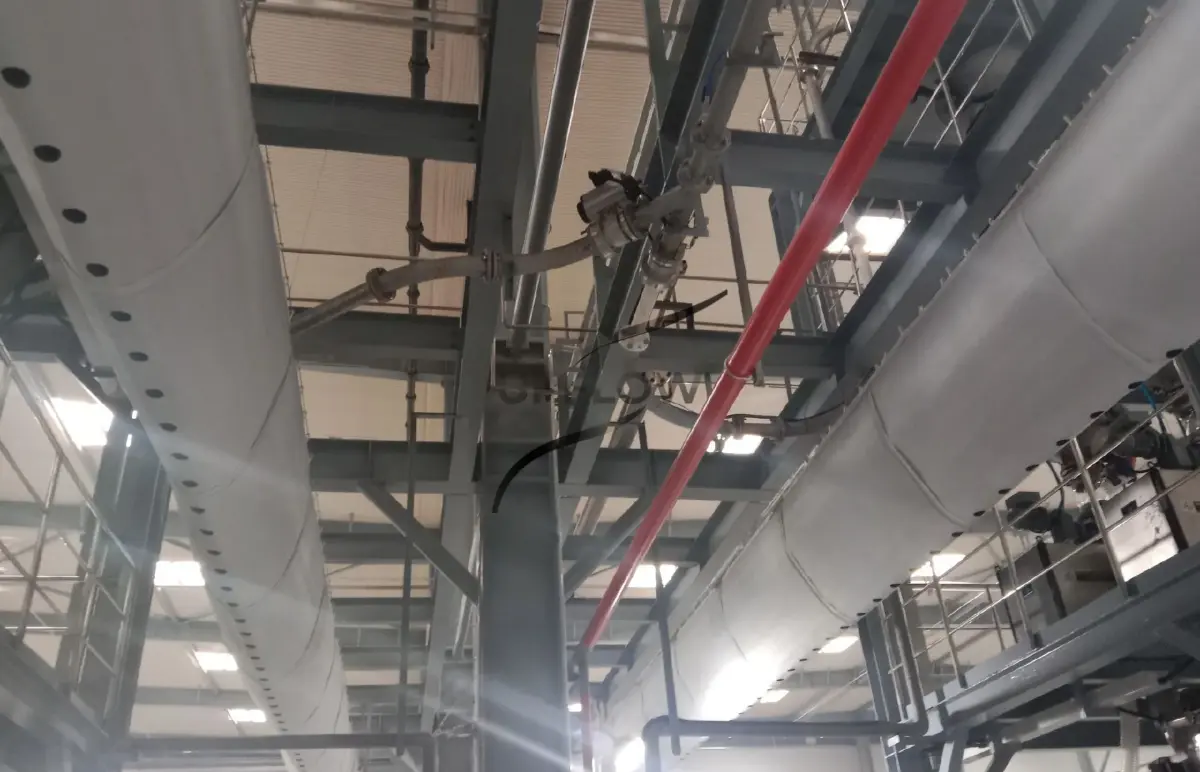
A typical iron powder pneumatic conveying system consists of several core components, including feeding devices, conveying pipelines, air supply systems, dust collection units, and control systems.
As a powder conveying system for iron powder materials, it integrates monitoring and automation functions, allowing real-time control of pressure, flow rate, and feeding accuracy, ensuring stable operation and reducing manual intervention.
Advantages of Iron Powder Pneumatic Conveying Systems
The iron powder pneumatic conveying system offers multiple advantages in industrial applications.
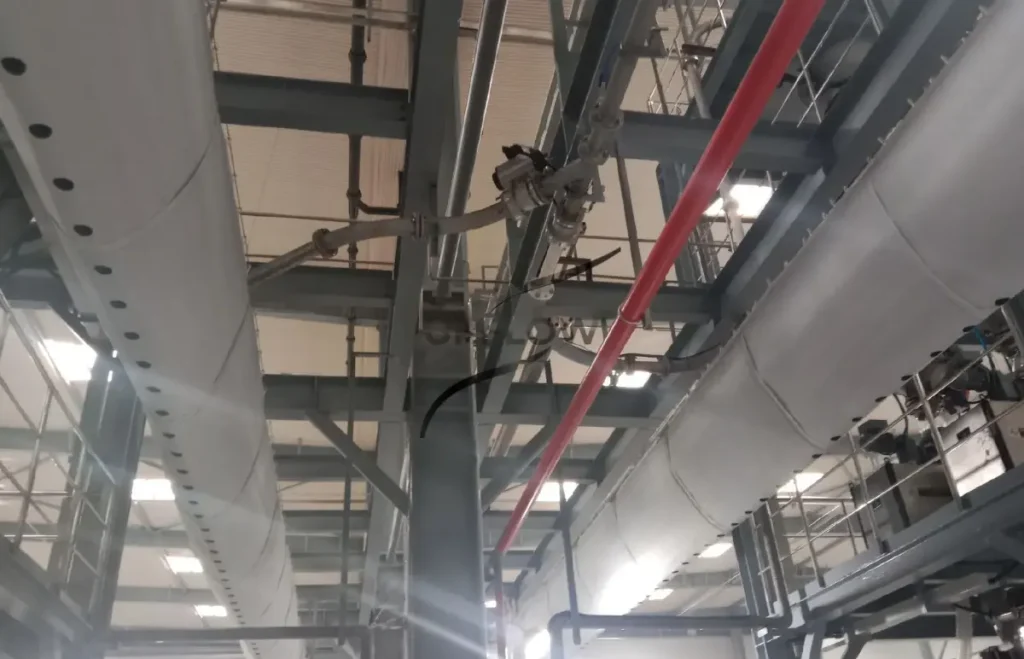
As a fully enclosed pneumatic conveying system for iron powder, it prevents moisture absorption, contamination, and material loss, ensuring consistent product quality. In addition, it supports automatic operation and flexible layout, functioning as an efficient powder conveying system for metal materials, which improves productivity and reduces labor costs.
Furthermore, due to its simple structure and fewer moving parts, the system is easy to maintain, energy-efficient, and suitable for long-term continuous operation.
Conclusion
The iron powder pneumatic conveying system provides a reliable and efficient solution for handling dense and metallic powders. By integrating powder conveying systems, negative pressure conveying systems, and advanced pneumatic conveying technologies for iron powder, manufacturers can achieve stable, clean, and high-efficiency material transfer in modern industrial production.