
Magnesium silicate is a fine inorganic powder used in a variety of industrial applications, and although conveying this material may appear straightforward, an effective powder handling process requires much more than simply selecting a vacuum conveyor or connecting a pipeline between two pieces of equipment. A properly engineered magnesium silicate pneumatic conveying system should be designed according to the actual material characteristics, required conveying capacity, transfer distance, feeding method, downstream process, dust-control requirements, and factory layout, particularly when conveying needs to be integrated with weighing, batching, storage, or other production operations.
For manufacturers handling bagged magnesium silicate, pneumatic conveying can provide an enclosed method of transferring powder from a bag dumping station to downstream processing equipment, helping reduce repeated manual handling while creating a more organized powder transfer process.
What Is Magnesium Silicate?
Magnesium silicate is an inorganic material associated with magnesium and silicate compounds and is commonly supplied industrially as a fine powder. Depending on composition and hydration state, magnesium silicate materials can be represented in different forms; PubChem, for example, lists magnesium silicate with the molecular formula MgO₃Si and also maintains separate records for hydrated magnesium silicate materials.
From the perspective of pneumatic conveying, however, the chemical name alone is not enough to determine equipment selection.
The engineering team should normally obtain the actual material data supplied by the customer, including bulk density, particle size distribution, moisture content, flowability, temperature, and other relevant characteristics, because these parameters directly influence conveying velocity, feeding stability, filtration requirements, pipeline design, receiving equipment, and overall system configuration.
This is why the design of a magnesium silicate pneumatic conveying system should begin with actual material and process information rather than a standard conveyor model.
Why Is Magnesium Silicate Powder Challenging to Handle?
Fine powder handling can create several practical challenges inside a production plant, particularly during manual bag opening, dumping, transfer, weighing, and dosing.
When magnesium silicate is poured manually into open equipment, fine particles may become airborne around the feeding point, increasing housekeeping requirements and making the working environment more difficult to manage. Meanwhile, variations in material flow can influence the stability of downstream feeding and batching operations.
An enclosed magnesium silicate powder conveying system can reduce unnecessary open transfer by moving the material through a closed pipeline between the feeding and receiving points.
However, enclosed conveying alone does not guarantee stable operation. The feeding device, conveying pipeline, filter, receiver, valves, weighing equipment, and control logic need to work together as a complete system.
How Does a Magnesium Silicate Pneumatic Conveying System Work?
A typical system can begin with a manual bag dump station where operators introduce bagged magnesium silicate into the process.
Instead of carrying or manually transferring the powder to the next production stage, the material enters the pneumatic conveying section and is transported through an enclosed pipeline to the designated receiving equipment.
Depending on the production process, the system may include:
Manual bag dump station with dust-control arrangement
Pneumatic conveying pipeline
Weighing hopper
Screw feeder or screw conveyor
Powder storage silo
PLC-based control system
The exact configuration should be customized rather than copied from another application because conveying distance, elevation, capacity, number of bends and downstream equipment can vary considerably between factories.
Why Vacuum Conveying Can Be Suitable for Magnesium Silicate
Vacuum conveying is often considered for fine-powder applications where material needs to be transferred from a manual feeding point to downstream equipment through an enclosed pipeline.
Unlike a positive-pressure conveying line, a vacuum system operates the conveying pipeline under negative pressure. If minor leakage occurs at a connection, surrounding air tends to enter the pipeline rather than conveying air and powder being forced outward.
For this reason, a magnesium silicate vacuum conveying system can be particularly useful when dust containment around the conveying route is an important consideration.
Vacuum conveying can also provide flexibility when the bag dumping station and receiving equipment are positioned at different elevations or locations within the plant.
However, vacuum conveying should not automatically be selected for every magnesium silicate application. Higher capacities, longer distances or different process arrangements may require another conveying concept, which is why system selection should always follow an engineering evaluation.
Magnesium Silicate Feeding System and Dust Control
The feeding point is one of the most important areas in a magnesium silicate feeding system, because opening and emptying bags can release fine powder into the surrounding area.
A manual bag dump station provides a dedicated location where operators can introduce the material, and the station can be integrated with filtration or dust-collection equipment according to the application.
After dumping, the powder enters the enclosed conveying process rather than remaining exposed during transfer between production stages.
For projects requiring higher automation, feeding arrangements can also be developed according to the customer’s packaging form, production capacity and process requirements.
Integrating Conveying with Weighing and Batching
Many industrial applications require more than material transfer.
When magnesium silicate needs to be introduced into a production process according to a specified batch quantity, pneumatic conveying can be combined with weighing and controlled feeding equipment to create an integrated magnesium silicate conveying and batching system.
For example, the conveying system can transfer powder into a weighing hopper, after which a screw feeder provides controlled discharge toward the downstream process.
The final configuration and achievable batching performance depend on factors such as material characteristics, target batch weight, feeding rate, weighing equipment, control strategy and production sequence.
This integrated approach allows feeding, conveying, weighing and dosing to operate as one coordinated powder handling process.
Real Magnesium Silicate Pneumatic Conveying Project in Kenya
Engineering experience becomes particularly important when a conveying system includes several interconnected process stages rather than a standalone conveyor.
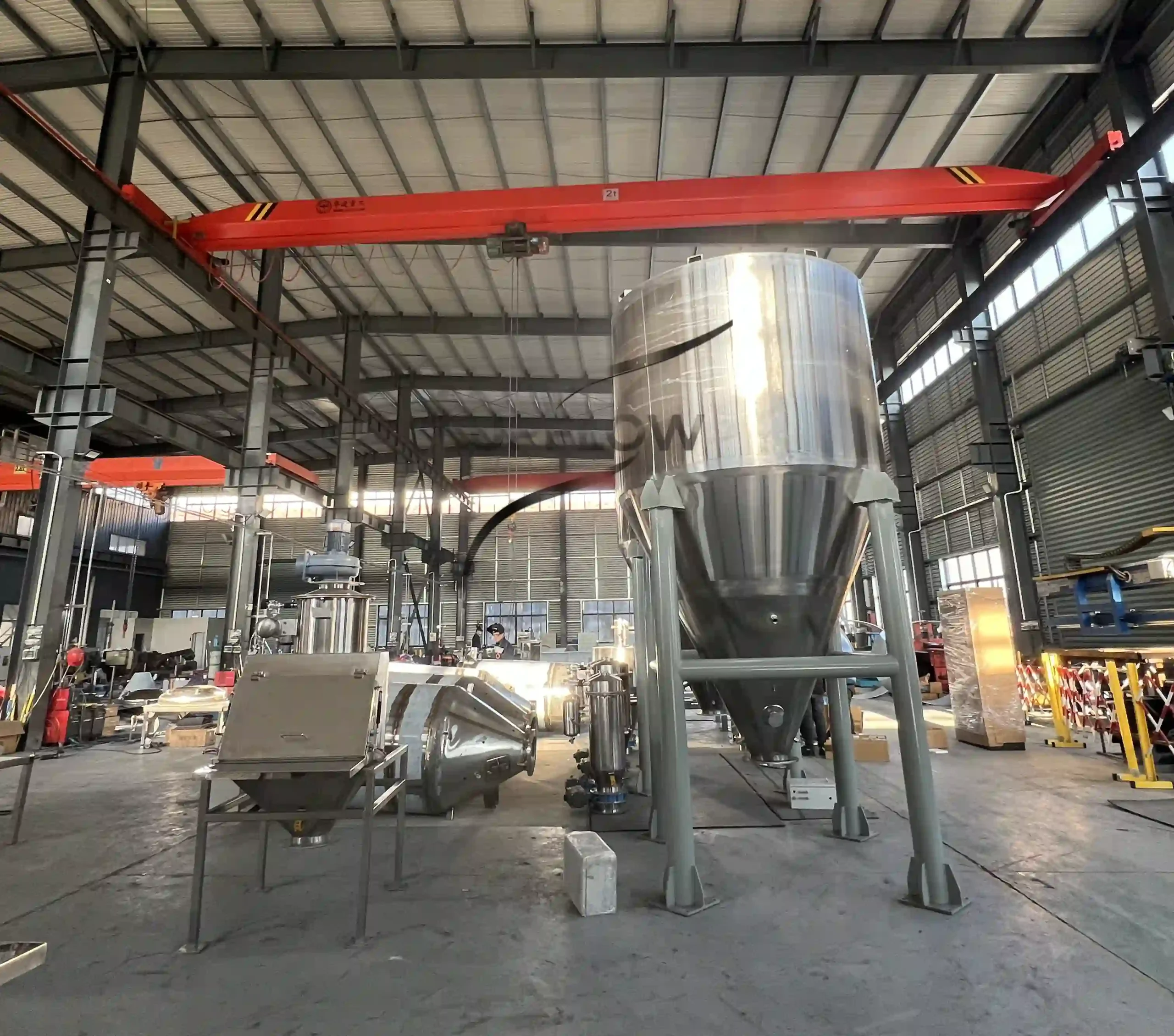
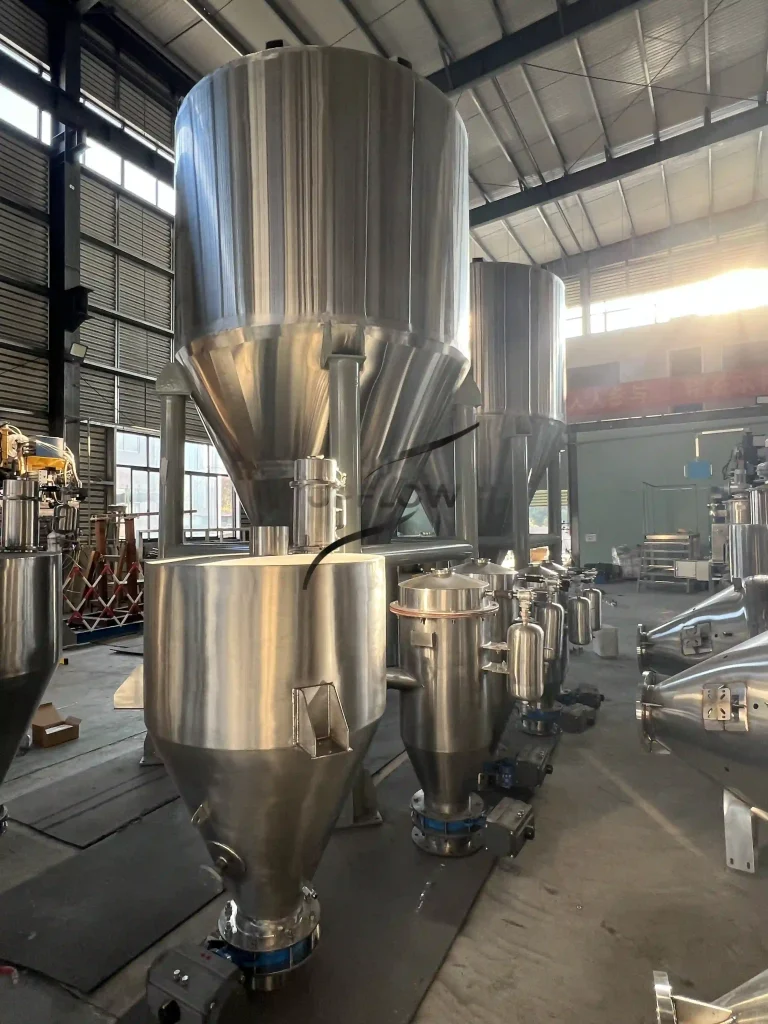
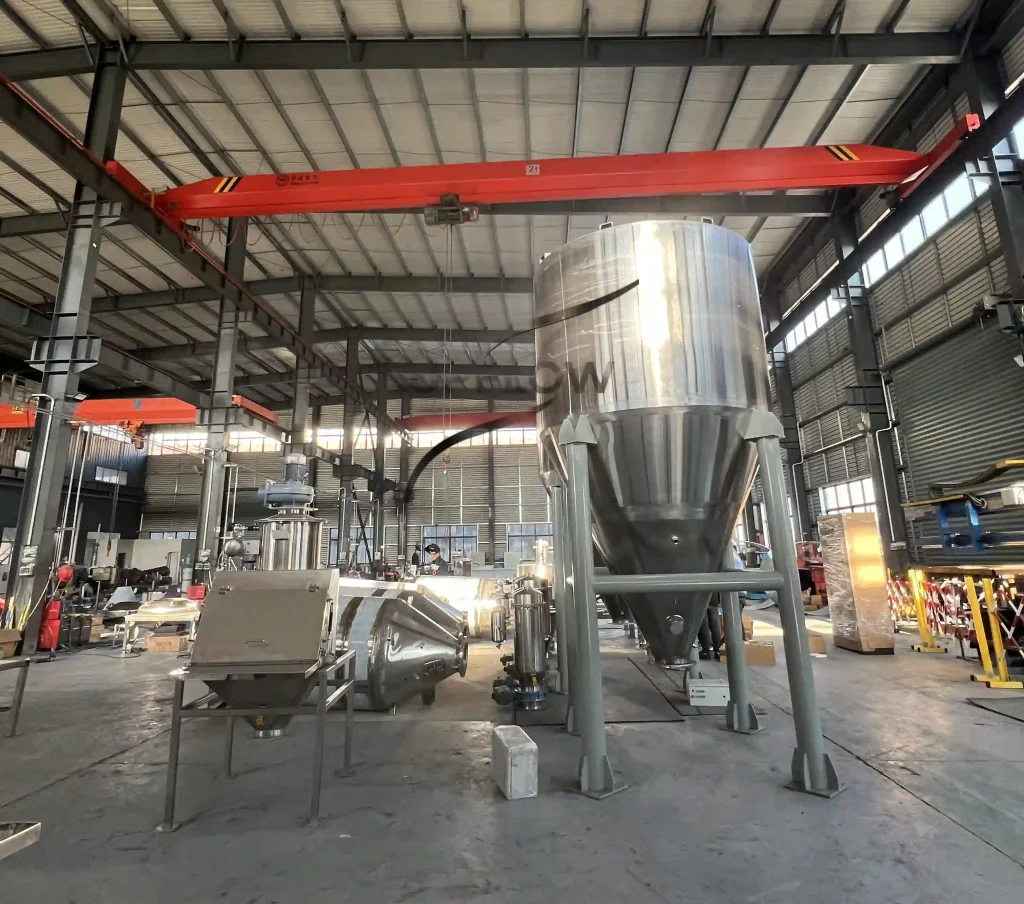
UPFLOW has supplied a real magnesium silicate pneumatic conveying and batching project for an industrial customer in Kenya. The project included two magnesium silicate conveying and dosing systems, together with a separate powdered-sugar handling system, and incorporated manual bag dumping, vacuum pneumatic conveying, weighing hoppers, screw conveying equipment, filtration, controls and a 6.5 m³ storage silo.
See our Magnesium Silicate Pneumatic Conveying & Batching System Project in Kenya to learn how UPFLOW integrated powder feeding, vacuum conveying, weighing, dosing and storage into an actual overseas installation.
Magnesium Silicate Pneumatic Conveying & Batching System Project in Kenya
What Information Is Required Before System Design?
Before designing a magnesium silicate pneumatic conveying system, engineers should understand both the powder characteristics and the production conditions.
Important information normally includes material name and composition, bulk density, particle size, moisture content, required conveying capacity, horizontal distance, vertical height, number of pipeline bends, feeding method, destination equipment, available plant layout, and whether weighing or batching is required.
For materials whose conveying behavior cannot be confidently determined from available data, material testing can also be used to support equipment selection and system design.
UPFLOW therefore evaluates the complete application rather than recommending conveying equipment solely according to the name “magnesium silicate.”
Applications of Magnesium Silicate Powder Conveying Systems
A customized magnesium silicate powder conveying system can be used where production processes require powder to move between bag feeding stations, storage equipment, weighing systems, mixers, reactors, processing equipment or other downstream machinery.
Depending on the application, the solution may combine pneumatic conveying with bag dumping, dust collection, powder storage, weighing, screw feeding and automated controls.
For existing factories, equipment arrangement can also be developed according to the available layout, elevation differences and connection points, which is particularly important when the conveying system must be integrated into an existing production line.
How to Select a Magnesium Silicate Pneumatic Conveying System
There is no universal conveyor model that is suitable for every magnesium silicate application.
A small-capacity, short-distance transfer may require a very different configuration from a system handling larger quantities over a longer horizontal and vertical conveying route.
When selecting a magnesium silicate pneumatic conveying system, the engineering evaluation should therefore consider material behavior, capacity, distance, elevation, pipeline routing, filtration, receiving equipment, automation requirements and the relationship between conveying and the downstream production process.
This application-based approach helps avoid selecting equipment according to nominal capacity alone while ignoring the actual operating conditions.
Frequently Asked Questions
Can magnesium silicate powder be pneumatically conveyed?
Yes. Magnesium silicate powder can be pneumatically conveyed, but the final system configuration should be selected according to the actual powder characteristics, conveying capacity, distance, elevation, pipeline routing and downstream process.
Is vacuum conveying suitable for magnesium silicate?
Vacuum conveying can be suitable for many fine-powder applications because it provides enclosed material transfer under negative pressure. However, the final conveying method should be determined after evaluating the complete application.
Can magnesium silicate conveying be combined with weighing?
Yes. Pneumatic conveying can be integrated with weighing hoppers, screw feeders, load cells, valves and control systems to create a complete magnesium silicate conveying and batching system.
Can an existing factory install a magnesium silicate conveying system?
Yes. An engineering team can evaluate the existing factory layout, feeding point, receiving equipment, horizontal and vertical conveying distances and available installation space before developing the system arrangement.
Customized Magnesium Silicate Powder Handling Solutions
UPFLOW designs pneumatic conveying and powder handling systems according to actual materials and production requirements rather than supplying the same configuration for every application.
For a new magnesium silicate pneumatic conveying system, customers can provide the material characteristics, required conveying capacity, conveying distance, elevation, number of bends, feeding method, receiving equipment and plant layout, allowing the engineering team to evaluate a suitable solution covering powder feeding, conveying, weighing, batching and storage where required.