
Introduction: Clean Powder Handling Starts with Vacuum Conveying
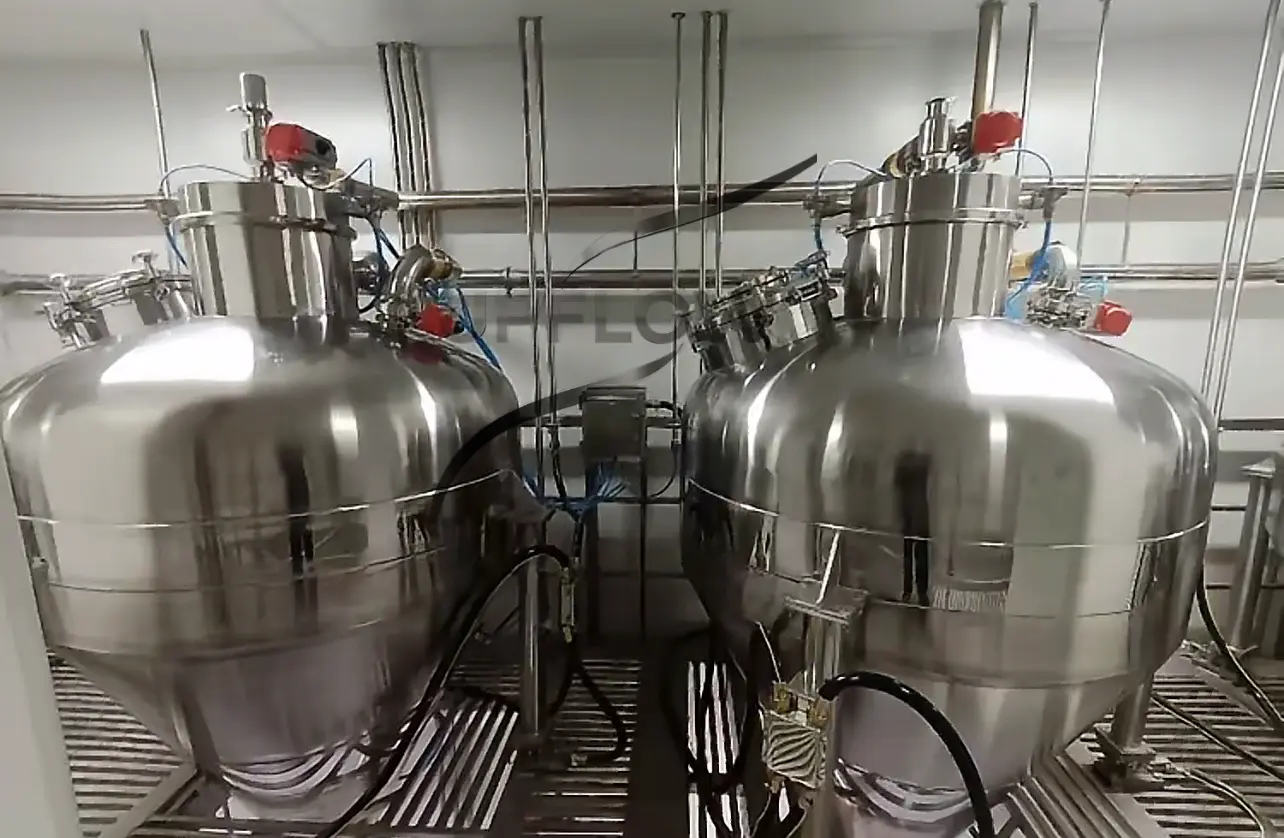
A pharmaceutical vacuum conveying system is widely recognized as a core solution for achieving clean, controlled, and contamination-free powder transfer in modern pharmaceutical production, where even minimal contamination or environmental exposure can directly impact product quality and regulatory compliance. Compared with traditional transfer methods, a properly designed vacuum conveying system ensures that powders are handled within a fully enclosed environment, allowing manufacturers to maintain strict GMP standards while improving efficiency and process consistency.
In highly regulated production environments, the transition from manual handling to automated negative pressure conveying systems is no longer optional, as companies seek to reduce human contact, eliminate dust emissions, and improve traceability, making enclosed conveying technology an essential part of pharmaceutical manufacturing.
Typical Pharmaceutical Powders and Their Handling Characteristics
Pharmaceutical production involves a wide range of powders, each with distinct physical properties that influence the design of a pharmaceutical vacuum conveying system, particularly in terms of flowability, sensitivity, and contamination risk. Common pharmaceutical powders include active pharmaceutical ingredients (APIs), excipients such as lactose and microcrystalline cellulose, starch derivatives, granulated intermediates, and fine chemical powders used in tablet and capsule production.
APIs are often highly potent and sensitive, requiring strict containment within an enclosed conveying system to protect both product integrity and operator safety, while excipients such as lactose and starch are relatively free-flowing but can generate dust and require efficient filtration in a powder conveying system. In contrast, cohesive powders such as microcrystalline cellulose or fine granules may present flow challenges and require optimized feeding and airflow control within a negative pressure conveying system to ensure stable and consistent transfer.
Working Principle and System Configuration
A pharmaceutical vacuum conveying system operates by creating negative pressure within the pipeline, which draws powder materials from the feeding point to the receiving equipment in a controlled and sealed manner, ensuring that the entire process remains isolated from the external environment. This principle not only prevents dust leakage but also eliminates the risk of external contaminants entering the system, making it particularly suitable for cleanroom applications.
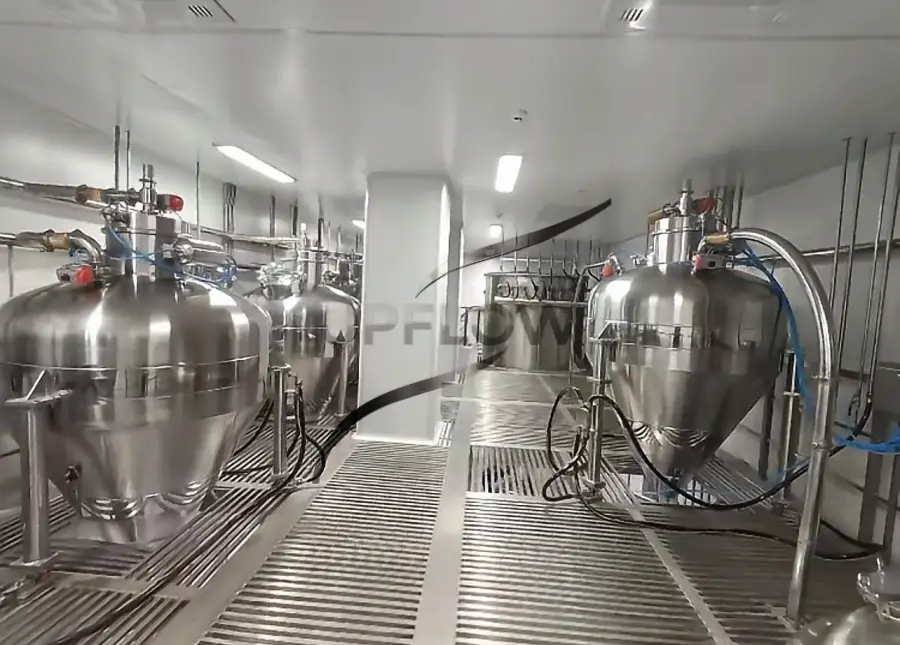
In many production setups, the system is integrated with upstream and downstream equipment such as mixers, granulators, tablet presses, and capsule filling machines, forming a continuous and automated production flow. By combining multiple conveying points into a centralized pneumatic conveying system, manufacturers can improve production efficiency while maintaining strict hygiene and process control.
GMP Design Requirements and Hygienic Standards
Designing a pharmaceutical vacuum conveying system requires strict adherence to GMP principles, which emphasize cleanliness, traceability, and ease of maintenance, ensuring that all material contact surfaces meet pharmaceutical-grade standards. This includes the use of high-quality stainless steel materials such as SS316L, smooth internal finishes, and fully sealed connections to eliminate contamination risks and facilitate cleaning.
In addition, systems must be designed to avoid dead zones where powder could accumulate, while incorporating clean-in-place (CIP) functionality to allow efficient cleaning without disassembly. These design features are essential for maintaining consistent product quality and meeting regulatory requirements in pharmaceutical production environments.
Process Control and Operational Stability
The performance of a pharmaceutical vacuum conveying system depends on precise control of airflow, feeding rate, and system pressure, as these factors directly influence conveying efficiency and product quality. Properly designed systems ensure stable powder transfer without segregation, degradation, or excessive dust generation, which is particularly important when handling sensitive pharmaceutical materials.
Advanced control systems allow real-time monitoring of key parameters such as pressure, flow rate, and material throughput, enabling operators to maintain optimal conditions throughout the production process, while integration with digital systems improves traceability and compliance with regulatory standards.
Safety and Containment in Pharmaceutical Applications
Safety is a critical consideration in pharmaceutical powder handling, especially when dealing with potent or hazardous materials that require strict containment within a vacuum conveying system. By operating under negative pressure, the system ensures that any leakage flows inward rather than outward, effectively preventing exposure to operators and the surrounding environment.
For powders with explosion risks or sensitivity to oxygen and moisture, additional protection measures such as inert gas conveying and anti-static design can be implemented, ensuring safe and stable operation under demanding conditions. These features make vacuum conveying systems an ideal solution for pharmaceutical applications requiring both safety and precision.
Conclusion: Reliable and GMP-Compliant Powder Handling Solution
A well-engineered pharmaceutical vacuum conveying system provides a reliable and compliant solution for handling powders in modern pharmaceutical production, as it combines hygienic design, precise process control, and advanced automation into a fully enclosed conveying system. By adopting this technology, manufacturers can improve product quality, reduce contamination risks, and enhance operational efficiency while meeting increasingly strict regulatory requirements.