
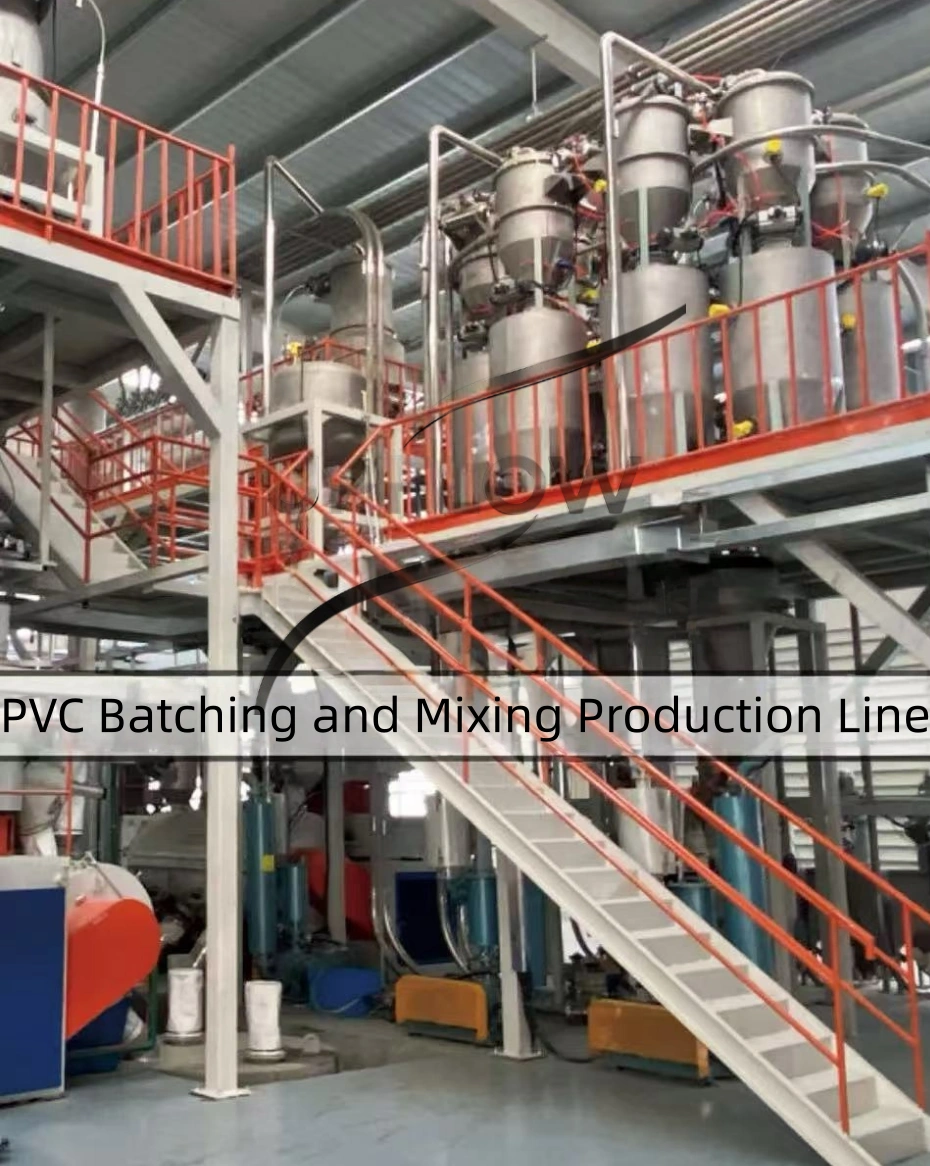
Introduction: Optimizing Resin Handling in Modern Plastic Plants
A pneumatic conveying system for PVC / PE resin handling is widely used in plastic manufacturing plants where stable, clean, and automated material transfer is essential for maintaining consistent production output and product quality. As plastic processing industries continue to scale and move toward automation, more manufacturers are replacing traditional manual or mechanical transport methods with advanced particle conveying systems that ensure efficient and enclosed material flow throughout the production line.
By integrating pneumatic conveying into resin handling processes, factories can significantly reduce dust emissions, improve feeding accuracy, and create a more controlled production environment, especially when dealing with both powder and granular materials.
Material Characteristics of PVC Powder and PE Pellets
Designing a pneumatic conveying system for PVC / PE resin handling requires a clear understanding of the differences between PVC powder and PE pellets, as their physical properties directly influence system configuration and conveying performance. PVC resin is typically in powder form, with fine particle size and strong dusting tendency, making it highly sensitive to airflow conditions and requiring fully enclosed conveying to prevent dust leakage and contamination.
In contrast, PE materials are usually processed as pellets or granules, which are free-flowing and less prone to dust generation, but may still present challenges such as material segregation or electrostatic accumulation during transport. These differences require the pneumatic conveying system to be flexible enough to handle both fine powders and granular materials within the same production environment.
Conveying Methods and System Selection
A pneumatic conveying system for PVC / PE resin handling can be configured using different conveying principles depending on plant layout and production requirements, with the most common options being vacuum and positive pressure conveying. A vacuum conveying system is often used for short-distance or multi-point feeding applications, as it provides clean and flexible transport while preventing dust leakage into the surrounding environment.
For larger facilities or long-distance transport, a high-pressure conveying system based on positive pressure is typically preferred, as it offers higher conveying capacity and stable operation over extended distances, while a low-pressure conveying system may be sufficient for smaller-scale or less demanding applications. This combination of conveying methods allows the system to adapt to different process requirements within plastic plants.
System Structure and Functional Integration
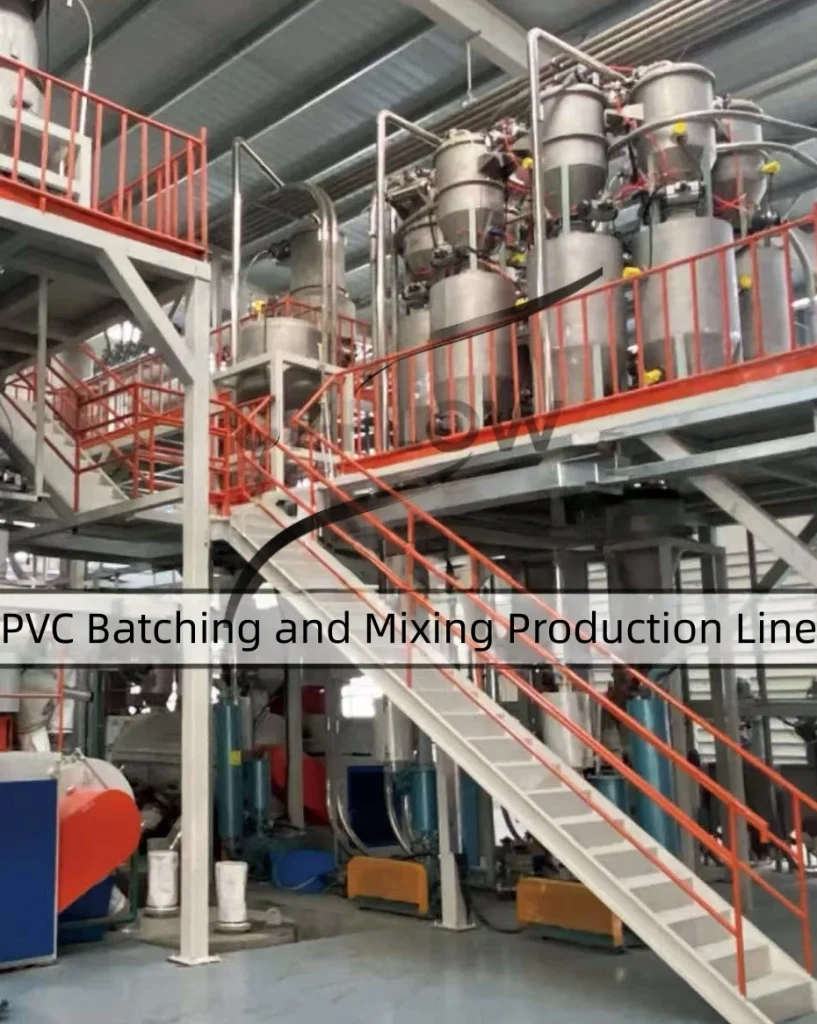
A complete pneumatic conveying system for PVC / PE resin handling consists of multiple integrated components, including air supply units, feeding systems, pipeline networks, separation and filtration units, and receiving equipment, all working together to ensure efficient and continuous material transfer. These systems are often connected with upstream storage silos and downstream processing machines, forming a comprehensive particle conveying system within the plant.
Through intelligent control systems, material flow can be automatically adjusted based on production demand, ensuring consistent feeding while reducing the need for manual intervention and minimizing operational errors.
Operational Advantages and Process Stability
One of the main advantages of a pneumatic conveying system for PVC / PE resin handling is its ability to provide stable and continuous conveying, which is essential for maintaining consistent processing conditions in plastic production. By controlling airflow, pressure, and feeding rate, the system ensures uniform material supply to each processing unit, reducing fluctuations that may affect product quality.
Additionally, the enclosed design of the pneumatic conveying system minimizes dust emissions and prevents contamination, which is particularly important for PVC powder handling, while also improving workplace cleanliness and safety.
Design Considerations for Resin Conveying Systems
When designing a pneumatic conveying system for PVC / PE resin handling, several key factors must be considered to ensure optimal performance, including material properties, conveying distance, system capacity, and plant layout. For PVC powder, special attention must be given to dust control and airflow management, while for PE pellets, considerations such as conveying speed and electrostatic control become more important.
Environmental and safety requirements should also be taken into account, especially in applications where dust explosion risks or strict cleanliness standards are involved, requiring appropriate system design and protective measures.
Applications in Plastic Production Processes
A pneumatic conveying system for PVC / PE resin handling is widely applied in various plastic manufacturing processes, including pipe extrusion, film production, injection molding, compounding, and recycling operations, where reliable and efficient material handling is essential for maintaining production continuity and product quality.
By enabling seamless transfer of both powder and granular materials, the system supports automated production workflows and helps manufacturers improve efficiency while reducing operational costs.
Conclusion: A Flexible and Efficient Solution for Resin Handling
A well-designed pneumatic conveying system for PVC / PE resin handling provides a flexible, efficient, and clean solution for transporting plastic materials in modern production plants, addressing the unique challenges associated with both powder and pellet handling. By combining different conveying methods and integrating them into automated systems, manufacturers can achieve improved efficiency, better product quality, and more reliable production processes.