
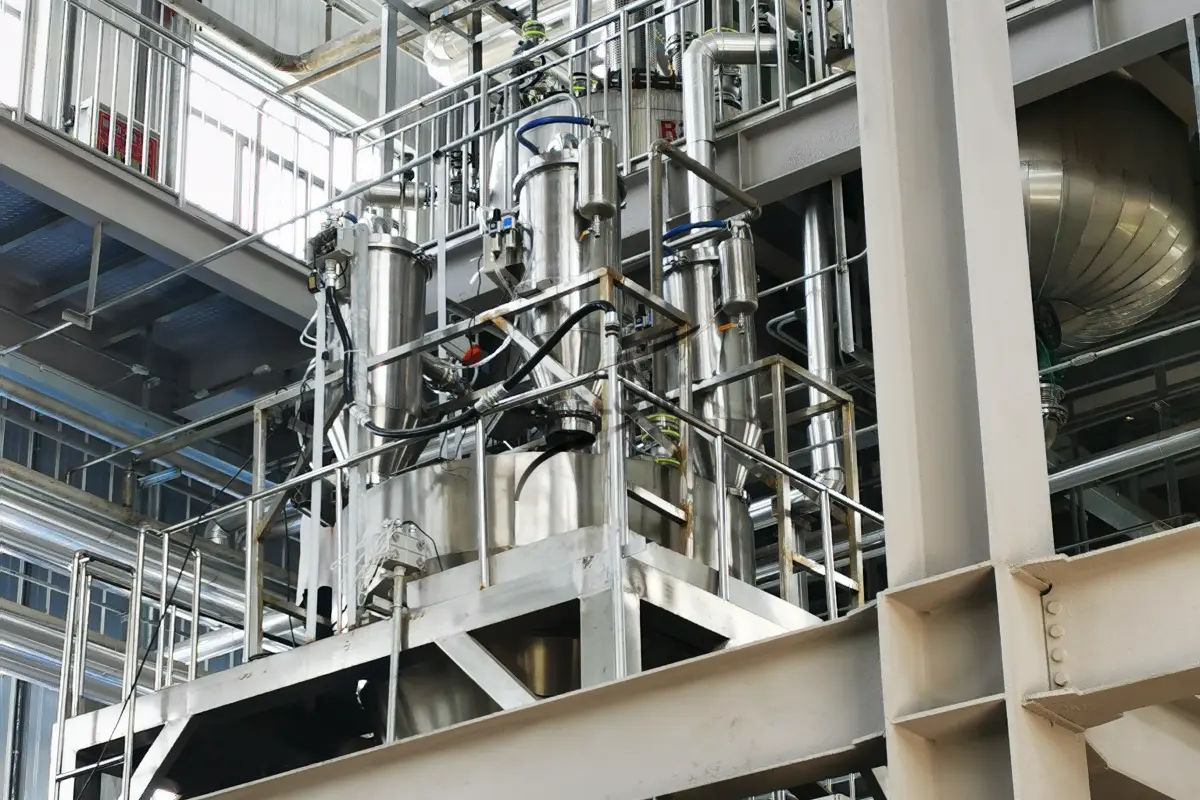
As advanced manufacturing technologies continue to evolve toward higher levels of automation, precision, and production efficiency, the demand for reliable powder handling equipment has increased significantly, particularly in industries such as powder metallurgy, metal injection molding, additive manufacturing, and specialty alloy production, where the stainless steel powder pneumatic conveying system has become an essential solution for achieving clean, enclosed, and highly efficient material transportation while maintaining product quality and operational safety.
Understanding Stainless Steel Powder and Its Material Characteristics
Stainless steel powder is a finely processed metallic powder manufactured from stainless steel alloys through atomization, mechanical milling, or other powder production technologies. It is commonly referred to as SS powder or stainless alloy powder and is widely used in powder metallurgy, metal 3D printing, injection molding, thermal spraying, and advanced engineering applications.
Unlike pure metals, stainless steel powder consists primarily of iron (Fe), chromium (Cr), nickel (Ni), molybdenum (Mo), and other alloying elements, meaning that it does not possess a single chemical formula. Depending on the grade, such as 304 stainless steel powder, 316 stainless steel powder, or duplex stainless steel powder, the composition may vary significantly.
The bulk density of stainless steel powder typically ranges from 2.5 to 4.5 g/cm³, while the true density generally falls between 7.5 and 8.0 g/cm³. Key material characteristics include high strength, corrosion resistance, excellent wear resistance, relatively high bulk density, and fine particle size distribution. These properties make transportation more challenging, especially when dust control, oxidation prevention, and material recovery efficiency are critical considerations.
For these reasons, modern production facilities increasingly adopt the stainless steel powder pneumatic conveying system to ensure safe and contamination-free handling throughout the entire manufacturing process.
Why Pneumatic Conveying Is Ideal for Stainless Steel Powder
Traditional mechanical conveying equipment such as screw conveyors, bucket elevators, and belt conveyors may cause material contamination, product loss, and excessive maintenance when handling fine metallic powders. In contrast, the stainless steel powder pneumatic conveying system offers a fully enclosed conveying environment that minimizes material exposure while improving automation and operational efficiency.
Because stainless steel powder is often used in high-value manufacturing processes, maintaining material purity is essential. A properly designed stainless steel powder vacuum conveying system can significantly reduce dust emissions and prevent external contaminants from entering the conveying process.
At the same time, the stainless steel powder powder conveying system provides continuous and stable transportation between storage silos, mixers, reactors, and production equipment, helping manufacturers achieve consistent process control and product quality.
Working Principle of a Stainless Steel Powder Pneumatic Conveying System
The stainless steel powder pneumatic conveying system utilizes airflow generated by blowers, vacuum pumps, or compressors to transport powder materials through sealed pipelines. Depending on process requirements, the system may operate under positive pressure, vacuum pressure, or a combination of both.
In many precision manufacturing applications, the stainless steel powder vacuum conveying system is preferred because it creates a negative-pressure environment that prevents powder leakage and ensures high collection efficiency. This configuration is especially beneficial when handling expensive stainless steel powders used in additive manufacturing and powder metallurgy industries.
Meanwhile, the stainless steel powder negative pressure conveying system allows powder to be gently transported through pipelines while reducing particle degradation and minimizing dust generation, making it suitable for facilities with strict environmental and safety requirements.
The integration of a stainless steel powder automatic powder conveying system further enhances operational efficiency by enabling automatic feeding, batch control, and centralized material management throughout the production process.
Key Components of a Stainless Steel Powder Conveying Installation
A complete stainless steel powder pneumatic conveying system typically consists of material storage silos, feeding devices, rotary valves, vacuum pumps or blowers, conveying pipelines, dust collectors, filtration units, and automated control systems.
The stainless steel powder powder conveying system relies on carefully engineered airflow parameters to maintain stable material transport while preventing pipeline blockage or excessive wear. Advanced control systems continuously monitor pressure, airflow velocity, and material flow rate to ensure reliable operation.
The stainless steel powder vacuum conveying system often incorporates high-efficiency filtration technology to maximize powder recovery and maintain a clean production environment. Additionally, the stainless steel powder automatic powder conveying system can be integrated with PLC and SCADA systems, allowing operators to monitor and control the entire conveying process remotely.
Advantages of Stainless Steel Powder Pneumatic Conveying Technology
Compared with traditional material handling methods, the stainless steel powder pneumatic conveying system offers numerous advantages that support modern manufacturing objectives.
First, the enclosed conveying process significantly reduces dust emissions and workplace contamination. Second, the stainless steel powder negative pressure conveying system enhances safety by preventing powder leakage and minimizing operator exposure to airborne particles.
Furthermore, the stainless steel powder powder conveying system improves material utilization by reducing product loss during transportation, while the stainless steel powder vacuum conveying system provides excellent conveying efficiency and flexibility across different plant layouts.
The implementation of a stainless steel powder automatic powder conveying system also enables manufacturers to reduce labor requirements, improve process consistency, and achieve higher levels of production automation.
Future Trends in Stainless Steel Powder Handling
As industries increasingly adopt intelligent manufacturing and Industry 4.0 technologies, the role of the stainless steel powder pneumatic conveying system will continue to expand. Future systems are expected to incorporate advanced sensors, real-time monitoring, predictive maintenance, and AI-driven process optimization to further improve efficiency and reliability.
In addition, demand for environmentally friendly production practices will encourage wider adoption of the stainless steel powder vacuum conveying system, stainless steel powder negative pressure conveying system, and stainless steel powder automatic powder conveying system, all of which contribute to cleaner, safer, and more sustainable manufacturing operations.
Conclusion
The stainless steel powder pneumatic conveying system has become a critical technology for modern powder handling applications, providing efficient, enclosed, and automated transportation of valuable stainless steel powders while maintaining product quality and operational safety.
By integrating advanced solutions such as the stainless steel powder vacuum conveying system, stainless steel powder powder conveying system, stainless steel powder negative pressure conveying system, and stainless steel powder automatic powder conveying system, manufacturers can achieve superior material handling performance and support the growing demands of precision industrial production.