
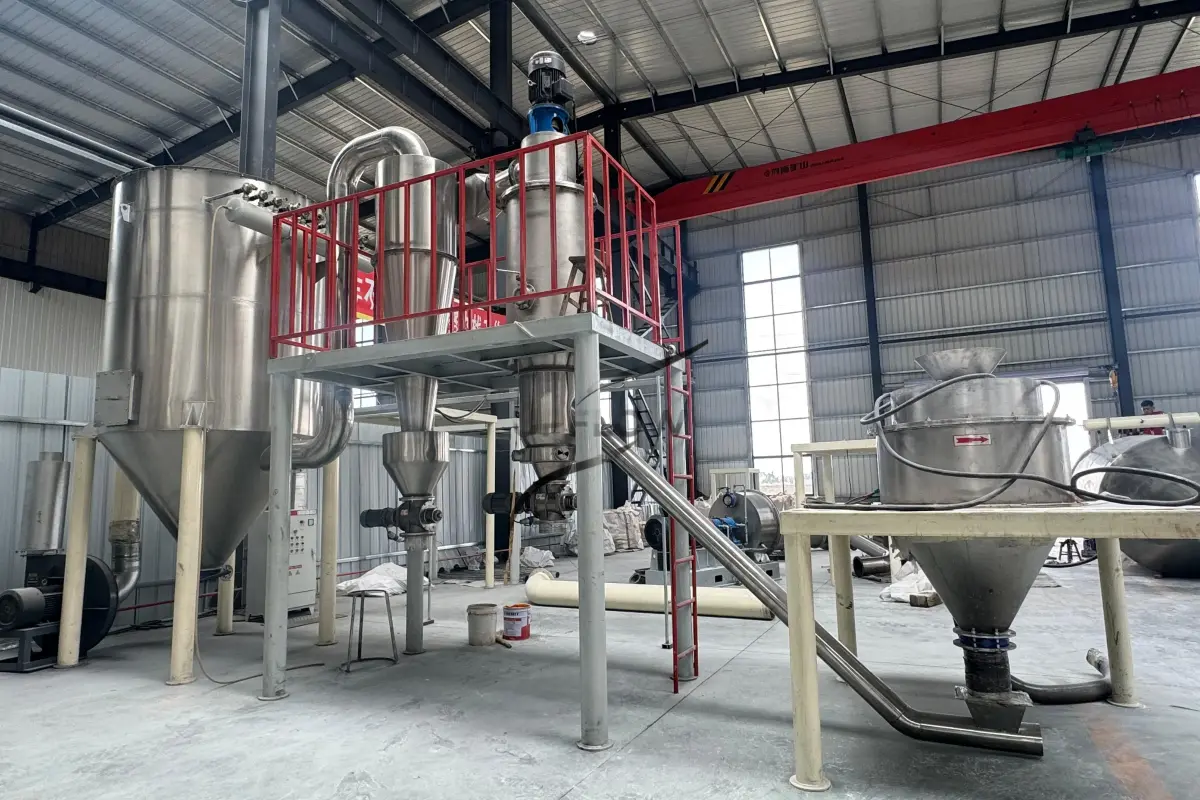
Zinc Oxide Powder Material Characteristics
Zinc oxide powder, commonly known as ZnO powder, is an important inorganic compound widely used in rubber manufacturing, ceramics, coatings, pharmaceuticals, cosmetics, electronics, and chemical processing industries. Due to its excellent UV resistance, antibacterial properties, high thermal stability, and chemical reactivity, zinc oxide has become a key functional additive in many industrial products.
The bulk density of zinc oxide powder typically ranges from 0.4 to 0.8 t/m³, depending on particle size, production process, and product grade. Common categories include industrial-grade zinc oxide powder, nano zinc oxide powder, indirect-process zinc oxide, direct-process zinc oxide, and high-purity electronic-grade zinc oxide materials. Because zinc oxide is a very fine powder with strong dusting characteristics, maintaining a clean and enclosed conveying process is essential for both product quality and workplace safety.
Why Use a Zinc Oxide Pneumatic Conveying System?
A zinc oxide pneumatic conveying system is specifically designed to transport zinc oxide powder through enclosed pipelines using controlled airflow, ensuring clean, efficient, and reliable material transfer throughout the production process.
Compared with traditional screw conveyors or bucket elevators, a zinc oxide dust-free conveying system significantly reduces powder leakage, airborne dust, and product contamination. As environmental regulations and product quality standards continue to become stricter, more manufacturers are adopting automated conveying technologies to improve production performance.
For large-scale production facilities, a zinc oxide powder transfer system can efficiently connect storage silos, mixing equipment, reactors, packaging stations, and processing units while minimizing manual handling.
Working Principle of a Zinc Oxide Powder Transfer System
The zinc oxide pneumatic conveying system operates by generating a controlled airflow through blowers, compressors, or vacuum units. Zinc oxide powder is introduced into the conveying line through feeding devices such as rotary valves or screw feeders, and then transported through enclosed pipelines to downstream equipment.
As an advanced automatic feeding system for zinc oxide powder, the equipment continuously regulates airflow, conveying pressure, and feeding capacity to ensure stable material movement and accurate process control. The enclosed pipeline design also helps maintain product purity while preventing dust emissions.
Key Features of a Zinc Oxide Dust-Free Conveying System
Clean and Dust-Free Operation
A zinc oxide dust-free conveying system prevents powder from escaping into the workplace environment, helping manufacturers maintain cleaner production facilities and comply with environmental standards.
High Automation and Process Efficiency
As a modern zinc oxide automatic feeding system, the equipment can integrate with weighing systems, batching equipment, mixers, and intelligent control systems, creating a highly automated production process that reduces labor requirements and improves consistency.
Flexible Powder Transfer Layout
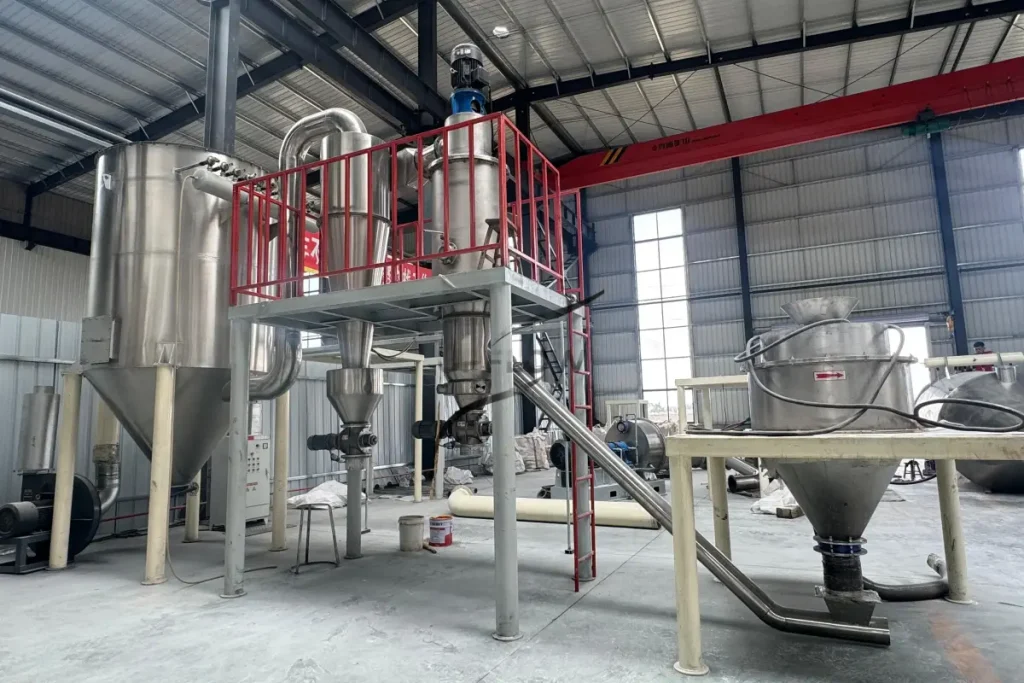
A zinc oxide powder transfer system can be configured for horizontal, vertical, or multi-point conveying routes, allowing manufacturers to optimize plant layouts while maintaining efficient material flow.
Reliable Material Protection
Because zinc oxide powder can absorb moisture and become difficult to handle under unsuitable storage conditions, the zinc oxide pneumatic conveying system helps maintain material quality by utilizing enclosed transfer technology and controlled operating conditions.
Applications Across Multiple Industries
The zinc oxide pneumatic conveying system is widely used in tire manufacturing, rubber compounding, ceramic production, electronics materials, pharmaceuticals, cosmetics, and specialty chemical industries. Whether functioning as a dust-free conveying system for nano zinc oxide powder or an automatic feeding system for industrial-grade zinc oxide materials, pneumatic conveying technology provides a reliable solution for modern powder handling applications.
As production volumes increase and manufacturing standards continue to improve, more companies are choosing automated zinc oxide powder transfer systems to achieve higher efficiency, lower operating costs, and better product consistency.
Conclusion
The zinc oxide pneumatic conveying system combines clean conveying, automated feeding, flexible process integration, and efficient powder transfer into a single material handling solution. By utilizing advanced dust-free conveying systems, automatic feeding systems, and zinc oxide powder transfer technologies, manufacturers can improve productivity, reduce material loss, and maintain consistent product quality across a wide range of industrial applications.