blog img

Introduction

An integrated material handling system combining conveying, feeding, and dosing has become a fundamental solution for modern industrial plants aiming to improve efficiency, reduce labor costs, and ensure product consistency. As industries such as chemicals, food, pharmaceuticals, and plastics move toward automation, traditional manual handling is no longer sufficient. Instead, companies are adopting fully integrated systems that enable centralized feeding, closed-loop conveying, and high-precision dosing.

This article provides a complete guide to the design, components, working principles, and real-world applications of integrated material handling systems, helping you choose the right solution for your production line.

Looking for a customized conveying, feeding, and dosing solution? Contact us today for a free system design.

What Is an Integrated Material Handling System?

An integrated material handling system is a fully automated solution that connects:

Material storage

Feeding systems

Conveying systems

Dosing and batching units

Through centralized control, the system ensures that materials are delivered accurately, continuously, and efficiently to each production process.

Unlike standalone equipment, this integrated approach allows for:

Centralized control

Reduced manual intervention

Consistent product quality

Scalable production capacity

Core System Components

1. Central Storage and Feeding System

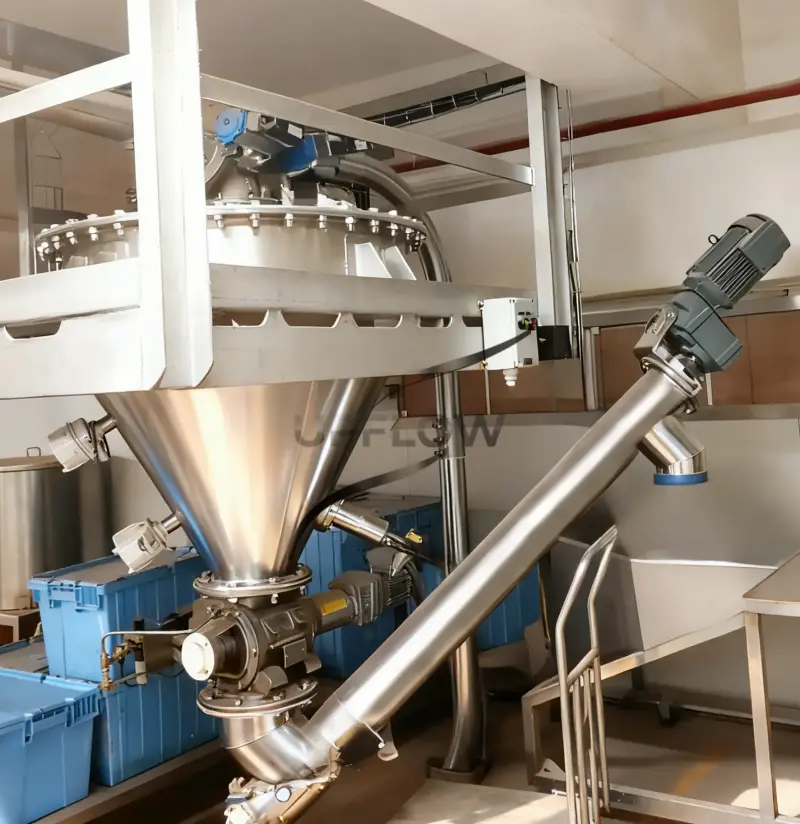
The system starts with centralized storage units such as silos or hoppers, where raw materials are stored in bulk.

Product reference:

bulk bag unloading system

Key features include:

Automatic material supply

Level monitoring systems

Reduced contamination risk

Centralized feeding replaces manual loading and enables 24/7 continuous production.

2. Conveying System (Core Technology)

The conveying system acts as the “circulatory system” of the entire setup.

Product reference:

vacuum conveying system

Two main conveying methods are used:

Pneumatic Conveying

Uses airflow to transport materials through pipelines

Fully enclosed and dust-free

Suitable for long-distance and complex layouts

Mechanical Conveying

Screw conveyors

Bucket elevators

Belt conveyors

Related reading:
Automatic Powder Batching and Conveying System for Industrial Plants: Design, Cost & Solution Guide (2026)

Integration of Pneumatic Conveying and Batching Systems in Modern Powder Handling

Pneumatic conveying is especially preferred for hygienic and dust-sensitive industries.

3. Feeding and Distribution System

Material distribution is controlled through:

Rotary valves

Diverter valves

Intelligent distribution units

These components ensure that materials are delivered to the correct production line without cross-contamination.

4. Dosing and Batching System

Product reference:

automatic batching system

The dosing system is responsible for precise material measurement, ensuring product consistency.

Key features:

High-precision load cells (±0.1% accuracy)

Multi-component batching (up to 40 materials)

Recipe management and automation

5. Mixing and Processing Integration

After dosing, materials are transferred to:

Mixers

Reactors

Production equipment

This creates a fully automated production workflow from raw material intake to final processing.

System Workflow: From Raw Material to Production

A typical integrated system operates as follows:

1.Raw materials are loaded into storage units

2.Feeding system controls material flow

3.Conveying system transports materials via pipelines

4.Dosing system measures and batches materials

5.Materials are mixed and sent to production

This closed-loop process ensures:

Dust-free operation

Accurate dosing

Continuous production

Need a turnkey system? We provide complete conveying, feeding, and dosing solutions tailored to your plant. Contact us now!

Advantages of Integrated Systems

1. Improved Efficiency

Continuous operation

Reduced downtime

2. High Precision

Accurate dosing ensures product consistency

3. Reduced Labor Costs

Automation minimizes manual handling

4. Clean and Safe Environment

Closed conveying prevents dust leakage

5. Flexible Production

Easy recipe switching

Multi-line feeding

Design Considerations (Critical for Success)

1. Material Characteristics

Bulk density

Particle size

Flowability

2. Production Requirements

Throughput (kg/h or t/h)

Number of materials

3. Layout and Distance

Horizontal and vertical conveying distance

Equipment positioning

4. Hygiene and Safety

Food-grade requirements

Explosion-proof design (ATEX)

5. System Integration

The system should integrate with:

ERP systems

MES systems

For real-time data tracking and production optimization.

Project Case Study

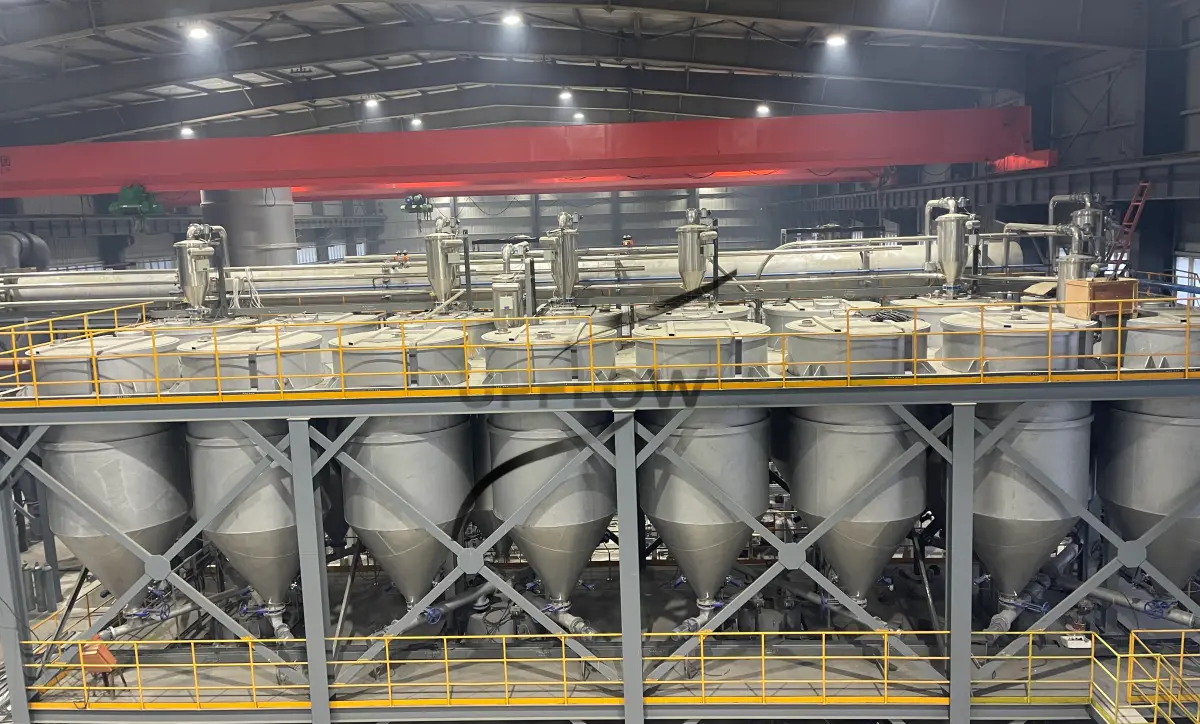
Plastic Industry Central Feeding and Dosing System

A plastic manufacturing plant required:

Centralized feeding for 10 production lines

Automatic dosing of additives

Continuous conveying of raw materials

Solution Provided:

Central silo storage system

Vacuum conveying system

Automatic batching system

PLC-based central control

Results:

Production efficiency increased by 35% 

Labor reduced by 50% 

Improved product consistency

Clean and organized workshop environment

Cost Factors

The cost of an integrated system depends on:

1. System Scale

Number of production lines

Capacity

2. Equipment Selection

Pneumatic vs mechanical conveying

Type of dosing system

3. Automation Level

PLC vs advanced control systems

4. Material Requirements

Stainless steel

Food-grade or explosion-proof

Typical investment range:

Small system: USD 20,000-50,000

Medium system: USD 50,000-150,000

Large turnkey system: USD 150,000+

Contact us to get a detailed quotation based on your project requirements.

Advanced System Integration and Control Strategy

In a modern integrated material handling system combining conveying, feeding, and dosing, the control strategy is as important as the mechanical design. A well-integrated control system ensures that all components work together seamlessly, enabling stable, efficient, and intelligent production.

1. Centralized Control System (PLC/DCS)

The core of the system is typically a PLC or DCS-based control platform, which acts as the “brain” of the entire operation.

Key functions include:

Real-time monitoring of material flow

Automatic control of conveying sequences

Dosing accuracy management

Alarm and fault detection

Advanced systems also allow operators to:

Store multiple recipes

Switch production modes quickly

Monitor system performance via HMI interface

This level of control significantly reduces human error and ensures consistent production quality.

2. Intelligent Feeding and Scheduling

In multi-line production environments, material demand varies across different machines. An intelligent system can automatically:

Prioritize material supply based on production needs

Avoid pipeline congestion

Optimize conveying cycles

For example, when multiple production lines request the same material, the system distributes material in a controlled sequence to ensure stable operation.

3. Integration with ERP and MES Systems

Modern industrial plants increasingly require data-driven production management.

An integrated material handling system can connect with:

ERP systems for production planning

MES systems for real-time tracking

This enables:

Automatic recipe downloading

Production data recording

Traceability of material usage

Such integration supports better decision-making and improves overall plant efficiency.

Advanced Pneumatic Conveying Optimization

Since pneumatic conveying is a key part of the system, optimizing its performance is essential.

1. Energy Efficiency Optimization

Energy consumption can be reduced by:

Using variable frequency drives (VFD)

Optimizing airflow velocity

Reducing unnecessary pressure loss

This can lower operating costs significantly over time.

2. Pipeline Wear Reduction

To handle abrasive materials:

Use wear-resistant bends

Apply ceramic or polyurethane lining

Optimize pipeline routing

These measures extend system lifespan and reduce maintenance costs.

3. Stable Material Flow Control

Maintaining stable flow is critical for accurate dosing.

This can be achieved by:

Controlled feeding devices

Proper air-material ratio

Real-time monitoring sensors

A stable conveying process ensures consistent batching accuracy.

System Scalability and Flexibility

One of the biggest advantages of an integrated system is its scalability.

Modern systems are designed to:

Add new production lines easily

Expand storage capacity

Upgrade control systems without major redesign

This makes the system future-proof and adaptable to changing production needs.

Return on Investment (ROI)

Although an integrated system requires initial investment, the long-term benefits are substantial.

Key ROI Drivers:

Labor cost reduction (up to 50%)

Increased production efficiency (20-40%)

Reduced material waste

Improved product quality

Lower maintenance costs

Most industrial plants achieve ROI within 12 years, especially when replacing manual or semi-automatic processes.

Industry-Specific Optimization

Different industries require different system configurations:

Chemical Industry

Corrosion-resistant materials

Explosion-proof design

Food and Pharmaceutical Industry

Stainless steel (304/316L)

Hygienic design (GMP compliance)

Plastics Industry

Centralized feeding systems

Multi-material blending

New Energy Industry

Dust-free closed systems

High-precision dosing

Related reading:Pneumatic Conveying Systems for Lithium Battery Materials

Why Integration Matters More Than Equipment

Many factories purchase separate equipment such as conveyors, feeders, and dosing systems, but without proper integration, this often leads to:

Inconsistent performance

Higher maintenance costs

Operational inefficiencies

An integrated system ensures:

Seamless communication between components

Optimized performance

Reduced risk of failure

Choosing a turnkey integrated solution is the most effective way to ensure long-term success.

Future Trends in Material Handling Systems

Modern systems are evolving toward:

Smart automation (PLC + IoT)

AI-based process optimization

Energy-efficient conveying

Fully digital factories

Integrated systems will play a key role in Industry 4.0 transformation.

Conclusion

An integrated material handling system combining conveying, feeding, and dosing is essential for modern industrial production. By replacing manual operations with automated systems, companies can achieve:

Higher efficiency

Lower costs

Better product quality

Cleaner production environments

Looking for a reliable integrated material handling system supplier?

We provide:

Customized system design

Turnkey solutions

Conveying, feeding, and dosing integration

Technical support and commissioning

Contact us today for a free system design and quotation.

Leave a Reply