
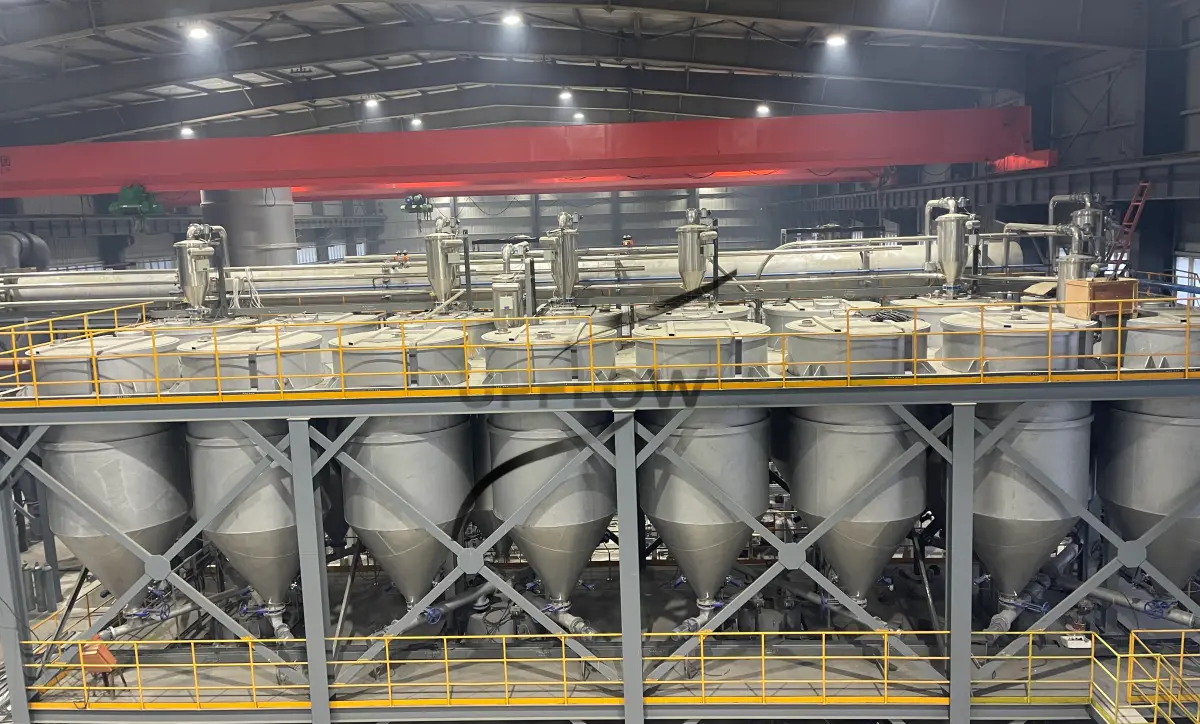
An integrated material handling system that combines conveying, feeding, and dosing functions has become a core solution for modern industrial plants seeking to improve efficiency, reduce labor costs, and ensure consistent product quality, especially as industries such as chemicals, food, pharmaceuticals, and plastics continue to move toward automation. Traditional manual handling methods are no longer sufficient to meet production demands, and companies are increasingly adopting fully automated systems that enable centralized feeding, closed-loop conveying, and high-precision dosing within a single coordinated process
At its core, an integrated material handling system connects multiple functional units including storage, feeding, conveying, and batching into one unified workflow, allowing materials to be delivered accurately and continuously to each stage of production. Unlike standalone equipment, this integrated approach reduces manual intervention, improves operational efficiency, and provides better control over product consistency while also enabling scalable production capacity for future expansion
The system typically begins with centralized storage and feeding, where raw materials are stored in silos or hoppers and automatically supplied to the production line through controlled feeding devices, ensuring stable and uninterrupted material flow. This centralized feeding concept replaces traditional manual loading and enables continuous operation, which is essential for high-volume industrial production environments
The conveying section acts as the core of the system, functioning as the “circulatory system” that transports materials efficiently between different processing stages, and in most modern applications, pneumatic conveying is widely used due to its ability to provide enclosed, dust-free, and flexible material transfer. This type of conveying solution is particularly suitable for complex plant layouts and long-distance transport, while also meeting strict hygiene requirements in industries such as food and pharmaceuticals
Feeding and distribution systems ensure that materials are delivered precisely to different production points, while the dosing and batching system plays a critical role in maintaining product quality by accurately measuring and controlling material quantities. With high-precision load cells and automated recipe management, the system can handle multiple materials simultaneously and ensure consistent batching accuracy, which is essential for industries requiring strict formulation control
Once materials are dosed, they are transferred to mixing and processing equipment, forming a complete automated workflow that covers the entire process from raw material intake to final production, and this level of integration significantly improves efficiency while reducing the risk of human error. In large-scale industrial plants, such systems are often designed to support multiple production lines, enabling centralized control and coordinated operation across the entire facility
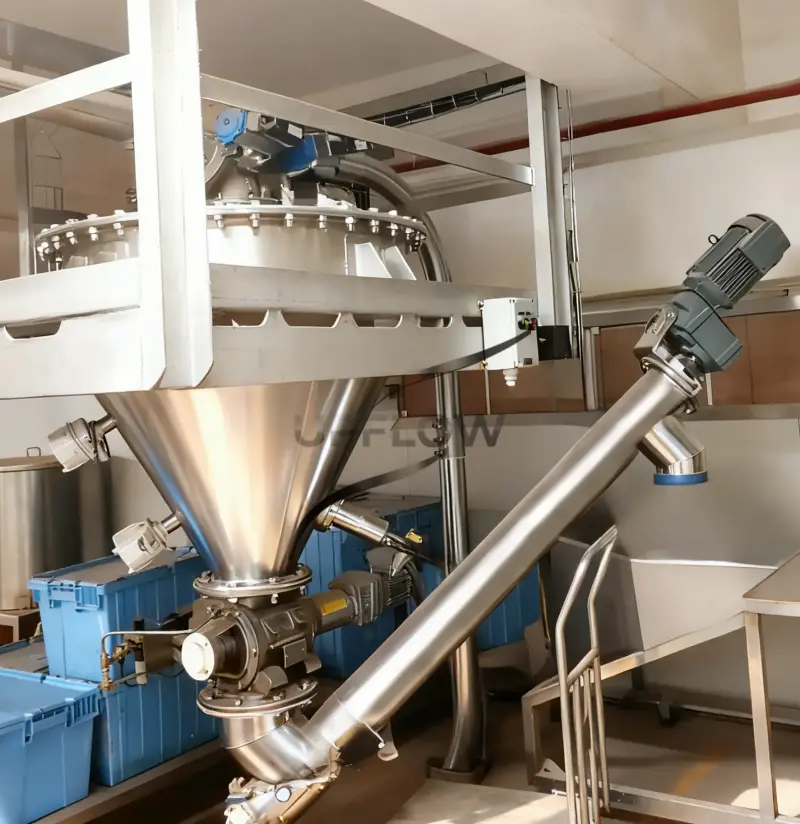
From a cost perspective, the investment in an integrated material handling system depends on factors such as system scale, equipment selection, automation level, and material requirements, with small systems starting from tens of thousands of dollars and large turnkey solutions requiring significantly higher budgets. However, the long-term benefits, including reduced labor costs, improved efficiency, lower material waste, and better product consistency, often result in a relatively short return on investment, typically within one to two years
Advanced control strategies are essential for ensuring system performance, as modern systems use PLC or DCS platforms to monitor material flow, control conveying sequences, and manage dosing accuracy in real time. These intelligent control systems also allow for recipe storage, quick production switching, and integration with ERP or MES systems, enabling data-driven production management and improving overall operational efficiency
In addition, system optimization plays a key role in long-term performance, as factors such as pipeline design, airflow control, and feeding stability must be carefully engineered to avoid issues like blockage, excessive wear, or energy waste. By optimizing pipeline routing, reducing unnecessary bends, and maintaining proper airflow balance, the system can achieve stable operation while minimizing energy consumption and maintenance costs
One of the major advantages of an integrated material handling system is its scalability and flexibility, as modern designs allow for easy expansion of production lines, increased capacity, and upgrades to control systems without major reconstruction. This makes the system future-proof and capable of adapting to changing production demands, which is particularly important in fast-growing industries
Overall, an integrated material handling system that combines conveying, feeding, and dosing functions is essential for modern industrial production, as it enables efficient, automated, and reliable material handling while supporting long-term operational growth. By replacing manual processes with a fully integrated solution, companies can achieve higher efficiency, lower costs, improved product quality, and a cleaner production environment, making it a key investment for future-ready manufacturing plants