
Introduction
A bulk bag unloading and conveying system is a critical solution for modern industrial plants handling powders and granular materials. As production scales increase across industries such as chemicals, food, pharmaceuticals, and new energy, companies are shifting from manual handling to automated systems that integrate bulk bag unloading, dust-free feeding, and pneumatic conveying.
This integrated system not only improves efficiency but also ensures clean, safe, and continuous material transfer. In this guide, we will explore the design principles, system configurations, cost factors, and supplier selection strategies for bulk bag unloading and conveying systems in 2026.
Looking for a customized bulk bag unloading and conveying solution? Contact us for a free system design and quotation.
What Is a Bulk Bag Unloading and Conveying System?
A bulk bag unloading and conveying system is a fully integrated material handling solution that:
1.Discharges material from jumbo bags (FIBC)
2.Controls flow and prevents dust leakage
3.Transfers material to downstream equipment via conveying systems
Unlike standalone unloading stations, this system combines unloading + conveying + control, enabling seamless operation from raw material input to production processes.
System Overview: From Unloading to Conveying
A complete system typically includes:
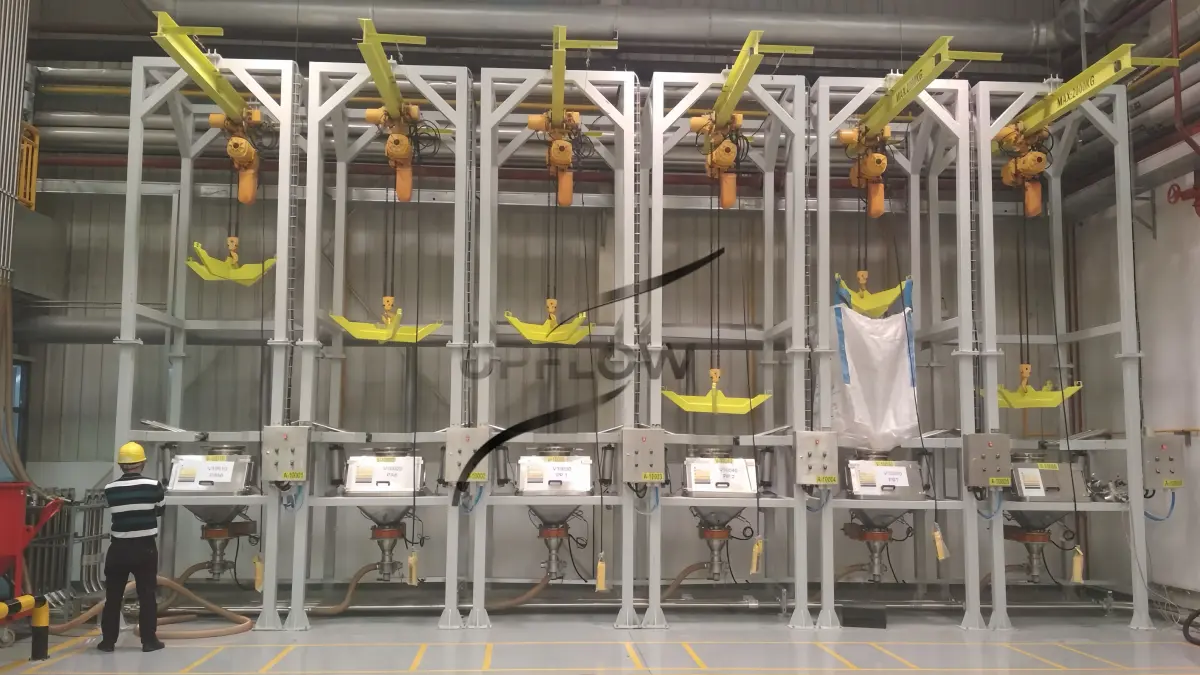
1. Bulk Bag Unloading Station
Product reference:bulk bag unloading system
Key functions:
Lifting jumbo bags (500–2000 kg)
Sealed discharge
Dust-free operation
Flow control
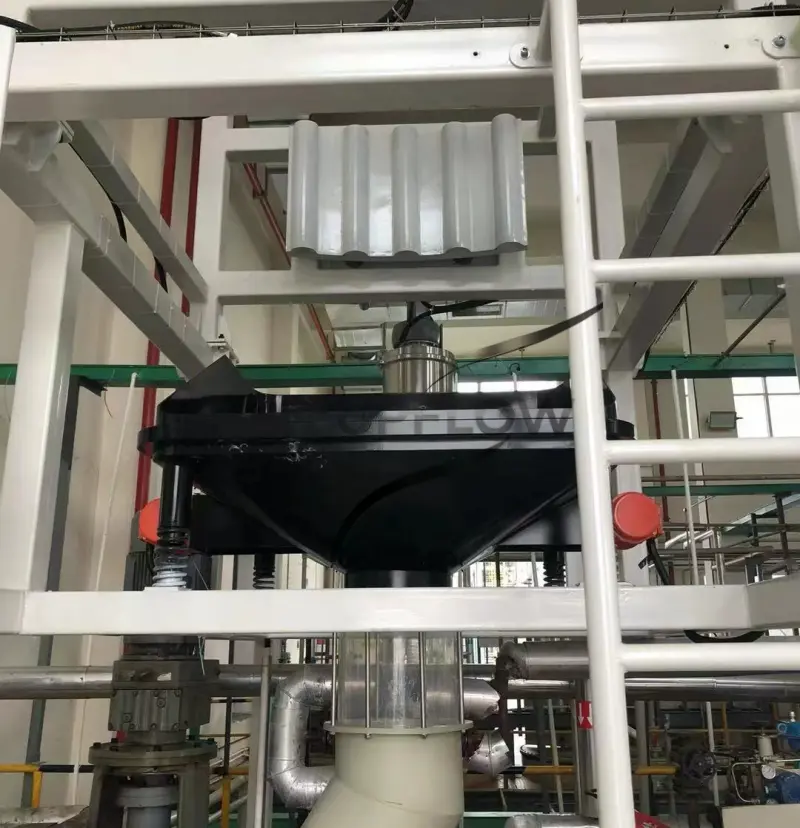
2. Feeding and Flow Control System
Includes:
Screw feeders
Rotary valves
Vibrators / bag massagers
Ensures:
Stable material flow
Prevention of bridging or arching
3. Pneumatic Conveying System (Core Section)
This is the most important part of the system, enabling:
Long-distance conveying
Dust-free transport
Flexible plant layout
How It Works:
A vacuum pump or blower creates airflow
Material is fluidized and transported through pipelines
Material is discharged into silos, mixers, or process equipment
Related reading: How Automatic Bag Opening and Feeding Improve Pneumatic Conveying Systems.
4. Storage and Processing Integration
The system can be connected to:
Silos
Mixers
Reactors
Packaging lines
This creates a fully automated material handling workflow.
Why Combine Bulk Bag Unloading with Pneumatic Conveying?
1. Dust-Free Operation
Closed-loop conveying eliminates dust pollution.
2. Improved Efficiency
Continuous conveying reduces downtime between batches.
3. Flexible Layout
Pipelines can bypass obstacles and optimize plant space.
4. Reduced Labor
Automation minimizes manual handling.
5. Better Product Quality
No contamination during transfer.
System Design Considerations
To design an efficient bulk bag unloading and conveying system, consider:
1. Material Characteristics
Bulk density
Flowability
Moisture content
Abrasiveness
2. Throughput Requirements
kg/h or t/h
Continuous vs batch operation
3. Conveying Distance and Height
Horizontal + vertical distance
Layout constraints
4. Conveying Method Selection
Vacuum conveying → short/medium distance, flexible
Positive pressure conveying → long distance, high capacity
Dense phase conveying → fragile materials
Dilute phase conveying → general applications
5. Dust and Safety Requirements
Food-grade / GMP
ATEX explosion-proof
Cost Analysis: What Determines the Price?
The cost of a bulk bag unloading and conveying system varies based on:
1. System Complexity
Standalone unloading vs integrated system
2. Conveying Type
Pneumatic systems are higher cost but more efficient
3. Material and Construction
Carbon steel vs stainless steel
4. Automation Level
Manual vs PLC-controlled
5. Customization Requirements
Layout design
Special materials
Typical Price Range:
Basic unloading system: USD 3,000–10,000
Unloading + conveying system: USD 10,000–50,000
Fully automated turnkey system: USD 50,000+
Contact us to get a detailed quotation based on your project.
Advanced Pneumatic Conveying Design and Optimization
In a bulk bag unloading and conveying system, the pneumatic conveying section plays a decisive role in overall system performance. A poorly designed conveying system can lead to pipeline blockage, excessive wear, material degradation, or high energy consumption.
1. Pipeline Design and Layout Optimization
The layout of the conveying pipeline directly affects efficiency and stability. Key considerations include:
Minimizing sharp bends to reduce pressure loss
Maintaining appropriate conveying velocity
Avoiding dead zones where material may accumulate
Designing proper vertical lift sections
In complex industrial plants, pipelines can be routed around existing equipment, making pneumatic conveying one of the most flexible material transfer solutions available.
2. Airflow and Pressure Control
The conveying system relies on a carefully controlled balance between airflow and pressure.
Vacuum conveying systems operate under negative pressure, suitable for shorter distances and dust-sensitive environments
Positive pressure systems use compressed air or blowers for long-distance, high-capacity conveying
Proper sizing of blowers or vacuum pumps is essential to ensure stable material flow without excessive energy consumption.
3. Material Protection During Conveying
For fragile or sensitive materials such as:
Plastic pellets
Lithium battery powders
Food ingredients
It is critical to minimize degradation during conveying.
Solutions include:
Dense phase conveying (low velocity, high pressure)
Smooth pipeline design
Controlled feeding rate
This ensures product quality is maintained throughout the process.
Related guides:
How to Design a Lithium Battery Material Conveying System to Prevent Contamination and Moisture.
Centralized Conveying System for Multi-Machine Production Lines in Plastic & Chemical Industries.
4. Wear Resistance and Maintenance
Handling abrasive materials such as silica, calcium carbonate, or cement can cause pipeline wear over time.
To extend equipment life:
Use wear-resistant materials (ceramic lining, hardened steel)
Design replaceable bends
Implement regular inspection schedules
This reduces downtime and long-term maintenance costs.
System Integration with Batching and Mixing
A modern bulk bag unloading and conveying system is rarely standalone—it is typically integrated into a complete powder processing system, including:
Batching systems
Storage silos
Packaging lines
Integrated Workflow Example:
1.Bulk bag unloading
2.Controlled feeding via screw feeder
3.Pneumatic conveying to weighing system
4.Automatic batching
5.Mixing process
6.Transfer to production line
Related reading:Integration of Pneumatic Conveying and Batching Systems in Modern Powder Handling
This integration enables fully automated production, reducing manual intervention and improving consistency.
Multi-Line Central Feeding System
In large-scale factories, especially in plastics and chemical industries, a centralized system is often adopted.
Key Features:
Central storage silos
Multiple conveying pipelines
Independent feeding to each production line
No cross-contamination
Advantages:
Reduced number of feeding points
Improved plant cleanliness
Better production control
This system is particularly suitable for:
Plastic compounding plants
Lithium battery material processing
Food ingredient distribution systems
Maintenance and Operational Best Practices
To ensure long-term stable operation, proper maintenance is essential.
1. Daily Inspection
Check sealing points
Monitor flow stability
Inspect filters
2. Preventive Maintenance
Replace worn components
Clean pipelines regularly
Calibrate weighing systems
3. Operator Training
Proper training ensures:
Safe operation
Reduced downtime
Quick troubleshooting
Return on Investment (ROI)
Although the initial investment for a bulk bag unloading and conveying system may seem significant, the long-term benefits are substantial.
Key ROI Factors:
Labor cost reduction (up to 50%)
Increased efficiency (20–40%)
Reduced material waste
Improved product consistency
Lower environmental compliance costs
Most systems achieve payback within 1–2 years, depending on production scale.
Want to calculate ROI for your project? Contact us for a free evaluation.
Industry Applications
Bulk bag unloading and pneumatic conveying systems are widely used in:
1. Chemical Industry
Calcium carbonate
Pigments
Resins
2. Food Industry
Flour
Sugar
Additives
3. Plastics Industry
PE, PP pellets
Masterbatch
4. New Energy Industry
Lithium battery materials
Graphite powder
Why a Turnkey Solution Matters
Many companies purchase individual equipment separately, leading to:
Compatibility issues
Poor system performance
Higher integration costs
A turnkey supplier provides:
Unified system design
Optimized performance
Single-point responsibility
Choosing a turnkey solution can significantly reduce project risk and ensure system efficiency.
Project Case Study
Plastic Industry Bulk Material Handling System
A plastic manufacturing company required:
Handling of PE and PP pellets
Jumbo bags (1000 kg)
Conveying to multiple production lines
Solution Provided:
Bulk bag unloading system with hoist
Vacuum conveying system
Central pipeline distribution
PLC control system
Results:
Efficiency increased by 35%
Labor reduced by 60%
Clean, dust-free production environment
Stable feeding for multiple lines
Supplier Selection Guide
When choosing a supplier, consider:
1. System Integration Capability
Can they provide a full solution (not just equipment)?
2. Industry Experience
Experience in your specific materials and industry.
3. Engineering Support
Layout design
Technical consultation
Testing capability
4. Customization Ability
Avoid standard-only suppliers.
5. After-Sales Service
Installation support
Spare parts availability
Future Trends
Bulk bag unloading and conveying systems are evolving toward:
Smart automation (PLC + IoT)
Energy-efficient conveying
Integration with MES/ERP
AI-based optimization
Conclusion
A bulk bag unloading and conveying system is a key component of modern industrial production. By integrating unloading, feeding, and pneumatic conveying into one system, companies can achieve:
Higher efficiency
Lower labor costs
Cleaner production environments
Better product quality
Looking for a reliable bulk bag unloading and conveying system supplier?
We provide:
Customized system design
Turnkey solutions
Pneumatic conveying integration
Competitive pricing
Contact us today for a free technical proposal and quotation.