
Introduction: Why Plastic Pellet Conveying Systems Are Essential
A plastic pellet pneumatic conveying system has become a standard solution in modern plastic processing plants, where automation, efficiency, and material cleanliness are critical to production success, especially in industries such as injection molding, extrusion, and compounding. As manufacturers increasingly adopt integrated material automation systems, traditional manual feeding is being replaced by automated conveying solutions that ensure stable material supply, reduce labor costs, and enable continuous production across multiple machines.
Common Plastic Pellets and Their Conveying Characteristics
In plastic manufacturing, different types of pellets are used depending on product requirements, and each material behaves differently during conveying, which directly affects system design and performance. Common plastic pellets include PE (polyethylene), PP (polypropylene), PVC (polyvinyl chloride), ABS (acrylonitrile butadiene styrene), PET (polyethylene terephthalate), and PA (nylon), all of which are widely handled using a granular conveying system due to their relatively good flowability and uniform particle size
For example, PE and PP pellets are lightweight and free-flowing, making them suitable for high-speed airflow conveying, while PVC pellets may require more controlled airflow to prevent degradation or dust generation during transport. Engineering plastics such as ABS and PA often require more stable conveying conditions, especially in long-distance conveying systems, to avoid material segregation or inconsistent feeding, while recycled plastic pellets may introduce impurities or irregular shapes that require optimized design within a pneumatic conveying system to ensure reliable operation.
System Types and Conveying Solutions
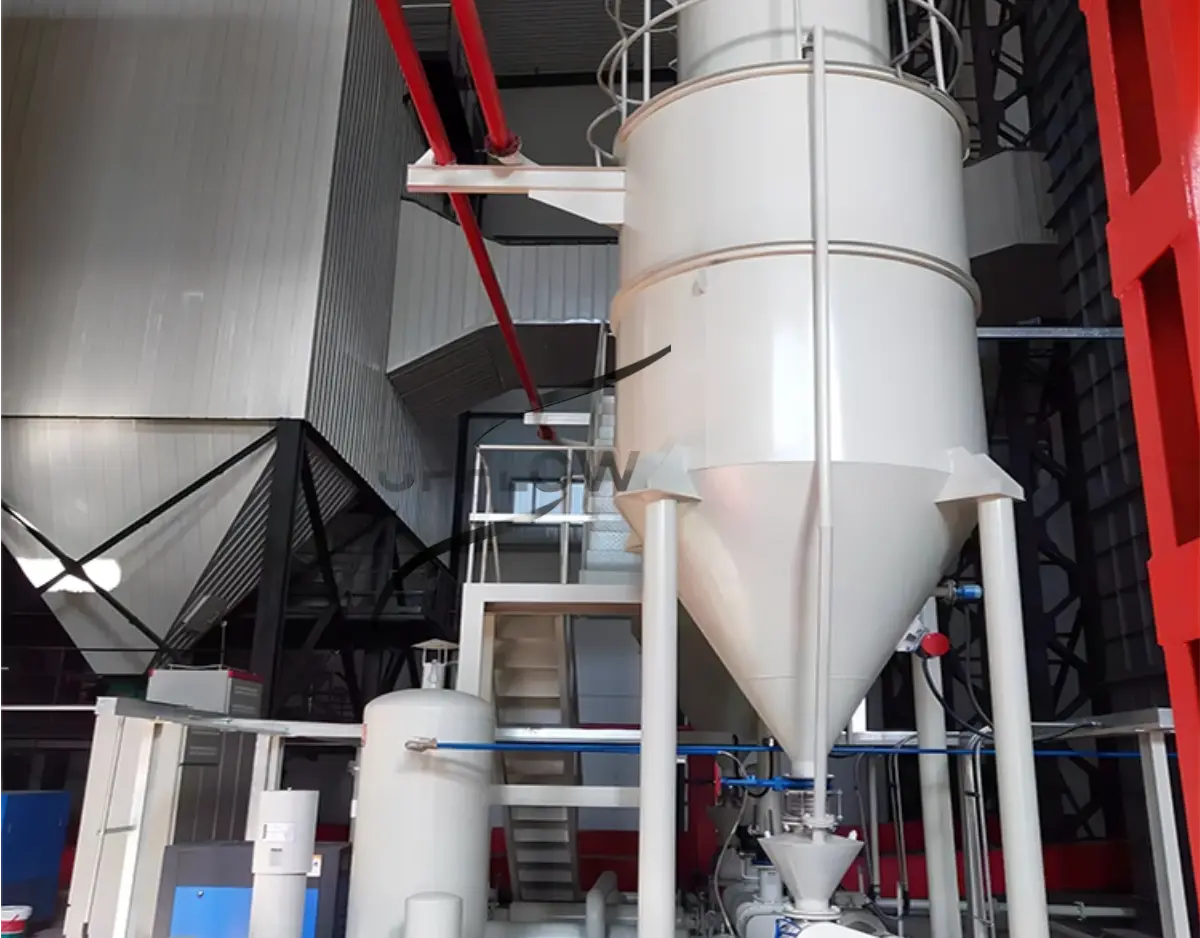
A typical plastic pellet pneumatic conveying system uses airflow to transport granules through pipelines in a closed-loop system, ensuring clean and efficient material transfer across the production process. Depending on factory layout and production requirements, different configurations can be applied, including positive pressure conveying systems for long-distance transport and centralized feeding, as well as vacuum-based solutions for shorter distances or flexible installations
In large-scale injection molding plants, a central conveying system is often implemented to distribute materials from a central storage silo to multiple machines, enabling fully automated feeding and improving production efficiency. In more complex processes such as compounding, a mixed conveying system may be used to handle multiple materials simultaneously, while a powder transfer system can be integrated when additives or fillers need to be transported together with plastic pellets.
Key Design Considerations for Plastic Pellet Conveying Systems
Designing a reliable plastic pellet pneumatic conveying system requires careful consideration of factors such as material properties, conveying distance, system capacity, and plant layout, as these directly influence system efficiency and cost. For example, longer conveying distances require stronger air supply systems and optimized pipeline design, while multi-machine systems require stable distribution to ensure consistent material supply across all processing units.
Pipeline design and airflow control are especially important in maintaining stable conveying performance, as excessive bends, improper pipe diameter, or unbalanced airflow can lead to pressure loss and increased energy consumption. By optimizing pipeline routing and maintaining consistent airflow, a material automation system can achieve efficient operation while reducing maintenance and operational costs over time.
Price Guide: How Much Does a Plastic Pellet Conveying System Cost?
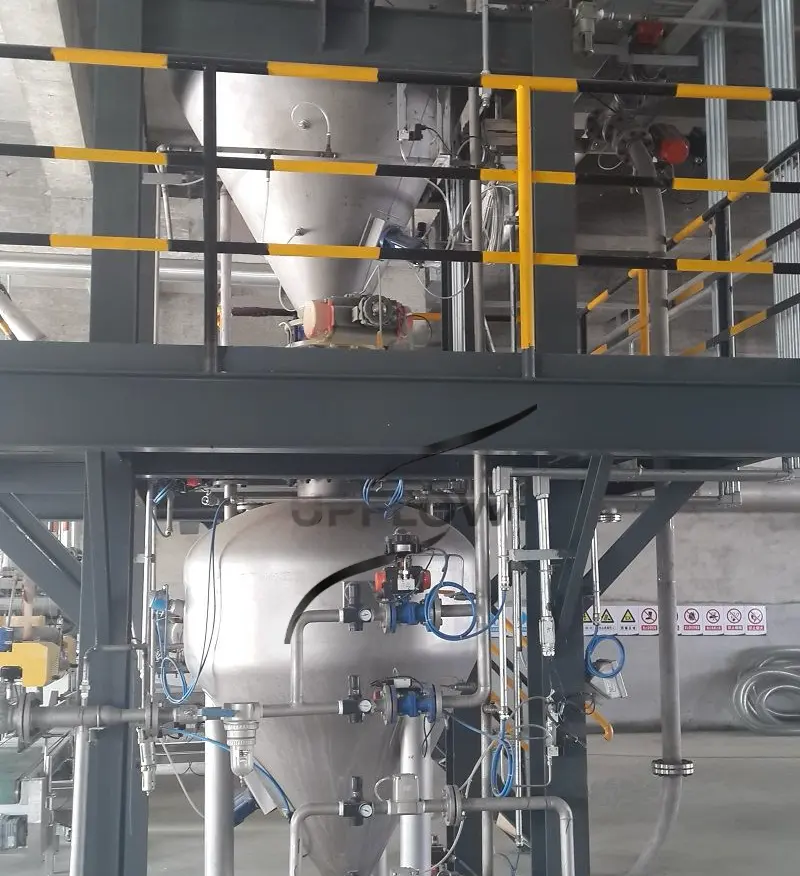
The cost of a plastic pellet pneumatic conveying system varies depending on system size, automation level, conveying distance, and engineering complexity, with small systems typically ranging from USD 5,000 to USD 15,000, medium systems from USD 15,000 to USD 50,000, and large turnkey systems exceeding USD 50,000 or more. However, focusing only on initial equipment price can be misleading, as long-term costs such as energy consumption, maintenance, and system efficiency must also be considered.
High-capacity or fully automated systems, especially those involving central conveying systems or multi-point feeding, require higher investment but provide better efficiency and lower labor costs, making them more cost-effective in the long run. In many cases, investing in a well-designed positive pressure conveying system can significantly improve production stability and reduce total lifecycle cost.
How to Choose the Right Supplier
Selecting the right pneumatic conveying manufacturer is critical to ensuring system performance and long-term reliability, as the quality of engineering design often has a greater impact than the equipment itself. A professional supplier should provide customized solutions based on material characteristics, production requirements, and factory layout, while also offering technical support, installation guidance, and after-sales service.
Choosing an experienced supplier helps avoid common problems such as poor system design, unstable conveying, and high maintenance costs, ensuring that the system operates efficiently and reliably over time. In contrast, selecting a supplier based only on price often leads to higher operational costs and reduced production efficiency.
Conclusion: Invest in Efficiency and Automation
A well-designed plastic pellet pneumatic conveying system is essential for modern plastic manufacturing, as it enables efficient, automated, and reliable material handling while supporting scalable production and consistent product quality. By carefully evaluating system design, cost factors, and supplier capability, manufacturers can implement a solution that delivers long-term value, improved efficiency, and reduced operational costs.