A vacuum conveying system cost guide is often misunderstood because most buyers only focus on the initial quotation. In reality, the total cost of a vacuum conveying system includes not just equipment price, but also design complexity, material characteristics, installation, and long-term operating expenses.
If you are planning to invest in a vacuum conveying system, understanding the real cost structure can help you avoid overpaying or worse, underinvesting in a system that fails.
Need a quick estimate? Contact us for a free cost evaluation based on your material and layout.
Typical Price Range in 2026 (Reality Check)
Before diving into details, let’s set realistic expectations:
Estimated Price Range:
Small vacuum feeder system: $3,000 – $10,000
Medium industrial system: $10,000 – $50,000
Large turnkey system: $50,000 – $150,000+
Why such a wide range? Because no two conveying systems are the same.
Why Prices Vary So Much (Even for Similar Systems)
One of the most confusing aspects of vacuum conveying system cost is that quotations can vary significantly—even for seemingly similar requirements.
The Real Reason
A vacuum conveying system is not a standardized product. It is an engineered solution, which means every detail affects the price.
Key Differences That Change Price
1. System Configuration
Two suppliers may quote different systems:
One uses a simple vacuum feeder
Another designs a complete conveying system
The price difference reflects system scope, not just equipment
2. Component Quality
High-quality systems use:
Durable filters
Reliable valves
Stable vacuum pumps
Lower-cost systems may use:
Shorter lifespan components
Less stable performance
3. Engineering Level
A system designed with proper calculations will:
Reduce energy consumption
Improve stability
Engineering quality directly affects long-term cost
Key Insight
If two prices are very different, the systems are usually NOT the same
Always compare system design—not just price.
Cost Breakdown: Where Your Money Actually Goes
Instead of thinking price, break it down:
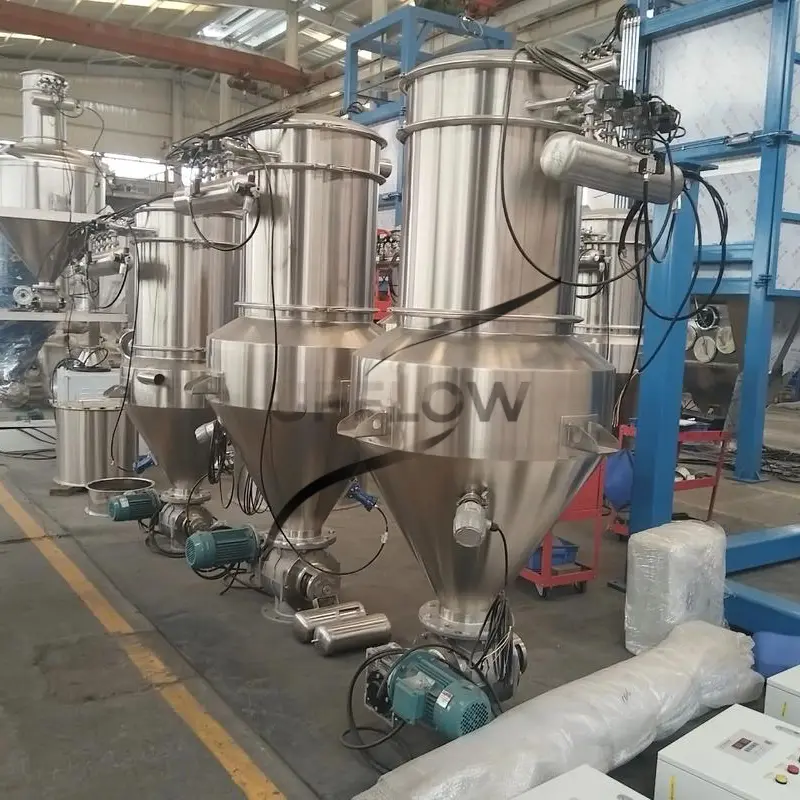
Core Equipment Cost (40–60%)
This includes:
Vacuum pump or blower
Filter system
Receiver hopper
Pipeline
Typical equipment:
Vacuum Conveyor
System Design & Engineering (10–20%)
Often ignored, but critical:
Airflow calculation
Pipeline layout
Material testing
Good design = lower long-term cost
Installation & Commissioning (10–20%)
Includes:
Installation labor
On-site adjustment
Testing
Automation & Control (5–15%)
Optional but important:
PLC control
Sensors
Integration with production line
Spare Parts & Maintenance (Long-Term Cost)
Includes:
Filters
Valves
Seals
Many buyers underestimate this part.
Hidden Costs That Most Suppliers Don’t Mention
Energy Consumption
Vacuum systems rely on:
Pumps
Continuous airflow
Poor design = high electricity cost
Pipeline Design Mistakes
Bad layout leads to:
Pressure loss
Higher energy usage
Blockage & Downtime
Unstable systems cause:
Production stops
Maintenance cost
These costs often exceed equipment price over time
Related guide:How to Choose the Right Pneumatic Conveying System for Your Factory
Energy Cost Calculation: A Simple Example
Let’s look at how energy cost impacts your investment.
Example Scenario
Vacuum pump power: 7.5 kW
Operating hours: 16 hours/day
Electricity cost: $0.1/kWh
Daily Energy Cost:
7.5 × 16 × 0.1 = $12/day
Annual Cost:
$12 × 300 days = $3,600/year
Now Compare:
Poor system → +20% energy consumption
Optimized system → lower energy cost
Difference:$700+ per year
Over 5 years = $3,500+
Energy cost alone can equal the equipment price.
Related guide: How to Reduce Energy Consumption in Pneumatic Conveying Systems: 7 Proven Strategies.
What Affects Vacuum Conveying System Cost the Most?
1. Material Type
Powder vs granules
Sticky or free-flowing
Example:
Sugar-anti-moisture design
Chemical powder-explosion-proof
2. Conveying Distance
Short distance-lower cost
Long distance-higher power + design
3. Capacity (kg/h)
Higher capacity requires:
Larger pumps
Bigger pipelines
4. Number of Feeding Points
Single point-simple
Multiple points-complex system
5. Industry Requirements
Food-hygienic design
Pharma-GMP standard
Chemical-explosion-proof
Related application:Food Powder Conveying System Supplier & Price Guide
Material Handling Complexity: The Biggest Price Driver
Among all factors, material characteristics have the biggest impact on system cost.
Easy Materials (Lower Cost)
Plastic pellets
Dry granules
Require:
Standard system
Minimal design complexity
Medium Complexity Materials
Flour
Sugar
Food powders
Require:
Dust control
Hygienic design
Difficult Materials (High Cost)
Sticky powders
Fine chemicals
Hazardous materials
Require:
Special pipeline design
Explosion-proof system
Anti-blockage solutions
Related application:Chemical Powder Pneumatic Conveying System
Cheap vs Optimized System: A Real Comparison
Cheap System
Low initial price
Standard design
Minimal engineering
Result:
High energy cost
Frequent maintenance
Short lifespan
Optimized System
Higher upfront investment
Customized design
Result:
Stable operation
Lower long-term cost
Better efficiency
Smart buyers choose value, not just price.
Real Project Insight: Cost Optimization Example
Project: Plastic Pellet Conveying
Initial Situation:
Manual feeding
Dust pollution
High labor cost
Solution:
We implemented:
Vacuum conveying system
Automated feeding
Optimized pipeline design
Results:
30% cost reduction (labor)
Clean production environment
Stable material flow
Cost Optimization Strategy Used by Experienced Buyers
Professional buyers don’t negotiate price first—they optimize the system design.
Step 1: Define Actual Requirement
Avoid:
Oversized systems
Unnecessary complexity
Step 2: Optimize Pipeline Layout
Shorter distance
Fewer bends
Reduces both:
Equipment cost
Energy consumption
Step 3: Choose the Right Technology
Example:
Vacuum conveying for short distance
Positive pressure for long distance
Wrong choice = wasted money
Step 4: Work With the Right Supplier
Engineering-focused suppliers:
Optimize design
Reduce long-term cost
Good design is the best cost-saving method.
How to Reduce Vacuum Conveying System Cost (Without Sacrificing Quality)
Choose the Right System Type
Don’t overdesign
Optimize Pipeline Layout
Shorter, simpler pipeline = lower cost
Work With Engineering-Focused Supplier
Better design = lower long-term cost
Consider Future Expansion
Avoid redesign cost later
Cost optimization starts from design,not negotiation.
About UPFLOW: Cost-Effective Engineering Solutions
At UPFLOW, we focus on:
Customized vacuum conveying systems
Cost-performance optimization
Turnkey solutions
We help clients:
Reduce energy consumption
Improve system stability
Optimize total cost
Contact us today to get a tailored quotation and system proposal.
When a Vacuum Conveying System Is NOT the Best Choice
Not every application requires a vacuum system.
Cases Where It May Not Be Ideal
Very long-distance conveying
Extremely high capacity
Heavy bulk materials
Alternative Options
Mechanical conveying systems
Choosing the wrong system type increases cost significantly
System selection is the first step of cost control.
Conclusion: The Real Cost Is What You Pay Over Time
A vacuum conveying system is not just a purchase,it is a long-term investment.
The real cost includes:
Equipment
Energy
Maintenance
Downtime
Choosing the right system can save thousands over time.
CTA
Want an accurate cost estimate?
We offer:
FREE consultation
Custom system design
Cost optimization advice
Contact us now to get your vacuum conveying system quote.