
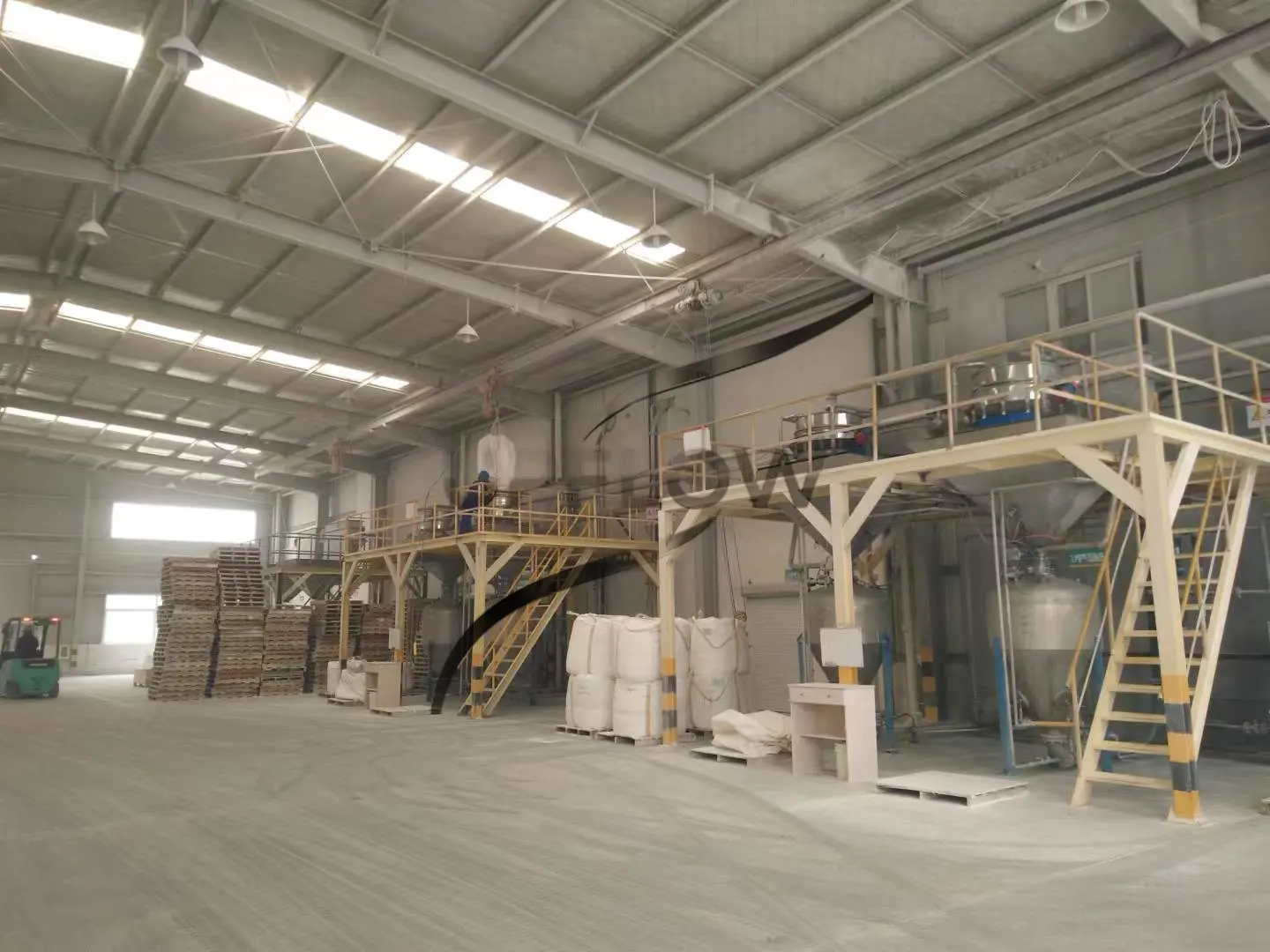
In modern industry, efficient material handling is just as important as production itself. Whether in chemicals, food processing, pharmaceuticals, plastics, building materials, or energy-related industries, raw materials must move smoothly from storage to processing, mixing, packaging, or final discharge. This is where a custom pneumatic conveying system for industrial applications becomes an essential solution.
Unlike traditional conveyors, pneumatic conveying systems use airflow or gas pressure to transport powders, granules, and other bulk materials through enclosed pipelines. This makes them highly suitable for industries that require clean, automated, and flexible material transfer. More importantly, custom-designed systems can be built around the specific material characteristics, plant layout, capacity requirements, and process goals of each factory.
As production lines become more automated and space becomes more limited, many manufacturers are moving away from fixed, one-size-fits-all conveying equipment and investing in customized pneumatic conveying systems that offer higher efficiency, better environmental performance, and lower long-term operating costs.
What Is a Custom Pneumatic Conveying System?
A pneumatic conveying system is a material handling solution that uses positive pressure, negative pressure, or a combination of both to move dry bulk solids through pipelines. A custom pneumatic conveying system is specifically engineered to match the user’s application rather than relying on a standard configuration.
This level of customization may include:
Material-specific feeding devices
Tailored pipeline diameter and routing
Different conveying modes such as dilute phase or dense phase
Special dust collection systems
Automatic control logic based on production rhythm
Integration with mixing, batching, drying, or packaging equipment
In real industrial production, no two material handling projects are exactly the same. Cement powder behaves differently from plastic pellets. Pharmaceutical powder needs a different level of cleanliness than fly ash. A plant with limited headroom requires a different pipe layout than a new large-scale workshop. For these reasons, customized system design is often the key to stable and efficient conveying.
If you want to understand the basic operating principle first, you can link this article to your existing News page: What Is a Pneumatic Conveying System and How Does It Work?
How Pneumatic Conveying Systems Work
The working principle of pneumatic conveying is based on the use of flowing air or gas inside a sealed pipeline. The airflow creates enough force to suspend or push materials from one point to another. Depending on the pressure direction, the system typically works in two basic ways.
Positive Pressure Conveying
In a positive pressure system, compressed air pushes the material through the pipeline toward the destination. This method is commonly used for long-distance and high-capacity transport. It is especially suitable for large factories handling continuous material flow.
You can connect this section internally with your related article: Positive Pressure Pneumatic Conveying System for Long-Distance Transport.
Negative Pressure Conveying
In a negative pressure system, a vacuum pump or blower creates suction inside the pipeline. The material is drawn into the line and carried to the receiving point. This system is often preferred in applications where cleanliness, dust control, and multiple pickup points are important.
This part can be internally linked to your existing News page: Negative Pressure Pneumatic Conveying System: Advantages, Limitations, and Applications.
Main Components of a Custom Pneumatic Conveying System
Although every customized system is different, most pneumatic conveying systems include several essential components.
Air Source Equipment
This is the power source of the whole system. Depending on the application, it may include an air compressor, roots blower, centrifugal fan, or vacuum pump. The correct air source selection directly affects conveying pressure, energy consumption, and system stability.
Feeding Device
The feeding device introduces material into the conveying line in a controlled way. Common options include rotary valves, screw feeders, venturi injectors, and bin dischargers. For different materials, the feeding system must be selected carefully to avoid bridging, surging, or unstable flow.
Conveying Pipeline
The pipeline acts as the transport path. It must be designed based on material characteristics, required capacity, conveying distance, and layout restrictions. The diameter, number of bends, bend radius, and material of construction all influence efficiency and wear.
Separation and Dust Collection Unit
At the receiving end, the material must be separated from the air stream. Cyclone separators, filters, and dust collectors are often used. In dusty industrial environments, the dust collection system is critical for keeping the workplace clean and meeting environmental standards.
Control System
Modern industrial conveying systems are increasingly automated. PLC-based controls allow operators to monitor pressure, airflow, valve timing, and material flow. Advanced systems can also provide alarms, fault diagnosis, and remote control functions.
For further internal linking, this section can point to your article: Key Components of a Pneumatic Conveying System.
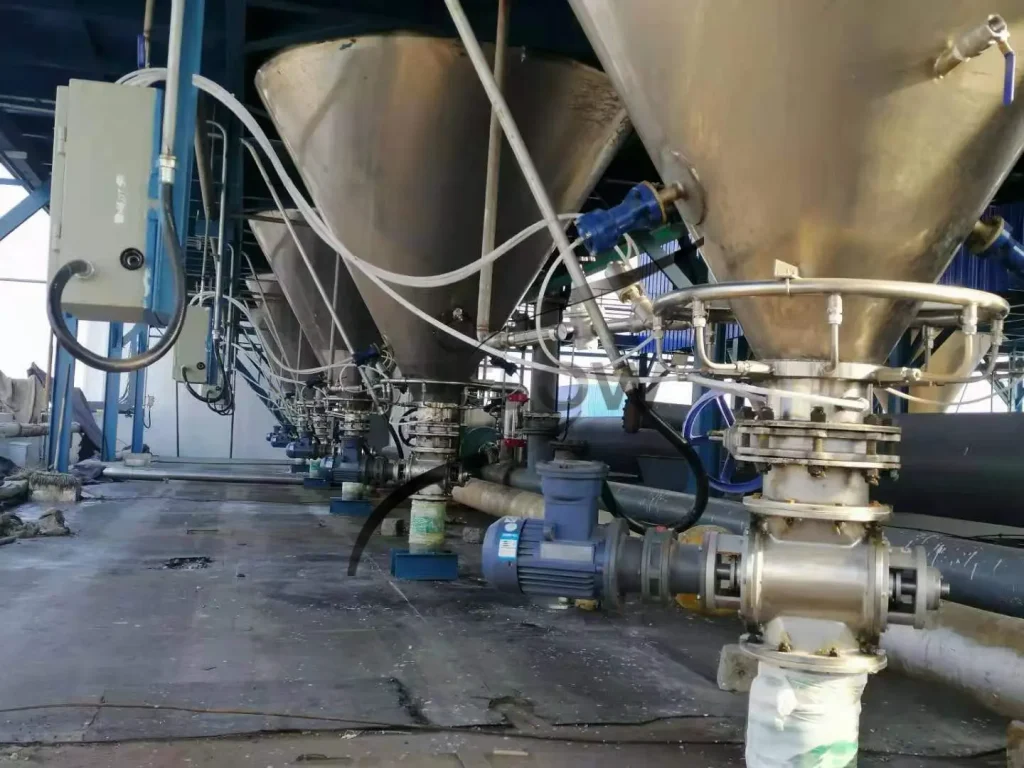
Why Customization Matters in Industrial Applications
A standard system may work for simple conveying tasks, but industrial plants usually require more than just basic transport. Customization matters because real-world material handling involves many variables.
Different Materials Require Different Solutions
Fine powders, abrasive minerals, plastic pellets, chemical powders, and food ingredients all behave differently during conveying. A custom system can be designed to reduce material degradation, avoid segregation, and improve flow stability.
Factory Layouts Are Never the Same
Some plants need long horizontal runs, while others require vertical lifting or multi-point distribution. Custom pipeline routing allows the system to fit around existing structures, machines, and buildings without interrupting production.
Production Capacity Must Match Real Demand
An oversized system wastes energy, while an undersized system causes bottlenecks. A custom pneumatic conveying system ensures that airflow, pipe size, and feeder performance are all matched to the required throughput.
Hygiene, Safety, and Environmental Standards Vary by Industry
Food and pharmaceutical factories need hygienic, easy-to-clean equipment. Chemical plants may need explosion protection or corrosion-resistant materials. Building materials plants may need extra wear resistance. A custom design helps solve these challenges from the beginning.
Typical Industrial Applications
Custom pneumatic conveying systems are widely used across different industries because of their adaptability.
Chemical Industry
Chemical plants often handle powders, additives, pigments, and catalysts that require enclosed transport and accurate feeding. A custom system helps reduce contamination and improves worker safety.
You can learn more in this article: Pneumatic Conveying System for Chemical Powder Handling: Efficient and Clean Material Transport.
Food and Pharmaceutical Industry
These industries demand strict hygiene standards and stable conveying quality. Pneumatic conveying offers enclosed transport, low contamination risk, and easy integration with automated dosing or mixing lines.
You can connect here to: Pneumatic Conveying Systems for the Food and Pharmaceutical Industries.
Cement and Building Materials
For cement, fly ash, and dry powders, custom systems can handle long distances, high capacities, and demanding plant conditions.
Plastics and Resin Processing
Plastic pellets, PVC powder, and resins require continuous, clean transport between silos, drying units, and extruders. A custom-designed conveying system helps improve plant automation and reduce handling labor.
Key Benefits of Custom Pneumatic Conveying Systems
A well-designed custom system offers many advantages for industrial users.
Higher Efficiency
When the system is built around the actual material and production process, conveying becomes more stable and productive.
Flexible Layout
Pipelines can be arranged horizontally, vertically, or around obstacles, making full use of available plant space.
Cleaner Production
Because the whole process is enclosed, dust leakage and material loss are minimized.
Easier Automation
Custom systems can be integrated with weighing, batching, mixing, and packaging equipment to support automated production.
Better Long-Term Value
Although a custom system may require more engineering at the beginning, it often reduces downtime, maintenance costs, and energy waste over the long term.
Future Trends in Industrial Pneumatic Conveying
As industry moves toward automation, digitalization, and greener production, custom pneumatic conveying systems are also evolving.
Future systems will increasingly feature:
Smart sensors for pressure and flow monitoring
Predictive maintenance functions
More energy-efficient blowers and controls
Better integration with MES and ERP systems
Higher standards of dust control and environmental performance
This means that customized conveying is no longer only about transporting material. It is becoming part of a smarter, more connected production system.
Conclusion
A custom pneumatic conveying system for industrial applications is more than a transport solution. It is a strategic part of modern manufacturing, helping companies move materials more efficiently, safely, and cleanly.
By tailoring the system to the material, process, and plant layout, manufacturers can improve productivity, reduce dust and waste, support automation, and create a more reliable production flow. Whether used in chemicals, food, pharmaceuticals, plastics, or building materials, customized pneumatic conveying systems are becoming an increasingly valuable investment for industrial growth.
Looking for a Custom Pneumatic Conveying Solution?
If your factory needs a more efficient way to handle powders, granules, or bulk solids, UPFLOW can provide a custom pneumatic conveying system designed around your material properties, conveying distance, plant layout, and production goals.
Our solutions include:
Pneumatic conveying systems
Vacuum feeders
Rotary valve feeding units
Dust collection systems
Integrated conveying and batching solutions
Contact us today to discuss your project and get a tailored material handling solution for your industrial application.